Sicily Rail Journey: 6-Day Island Tracks & Historic Hubs
From Cross-Sea Sleepers to Baroque Lines: A Deep Rail Odyssey
Price Per Person
Starting at TWD 69,000
Category
Using Palermo as an E-W hub, experience the silence of Taormina after the day-trippers leave, and unlock the Southern Baroque jewels via Siracusa.

Transfers
- 1st class train ticket: Palermo 4hrs(Messina transfer)to Taormina
- 2nd class train ticket: Taormina 2hrs to Siracusa / Syracuse
- Issuing Fee

Stay
- Palermo 2 Nights
- Taormina 2 Nights
- Siracusa 2 Nights
- Double occupancy and breakfast included
- 4 star or above

Others
- Travel Accident Insurance
- Overseas Travel Accident Coverage: up to NT$3,000,000
- Accidental Medical Expenses (reimbursement basis): up to NT$1,500,000
- Emergency Assistance: up to NT$1,000,000
(Applicable to flights departing from Taiwan only)
- Travel Liability Insurance
- Personal Accident Coverage: up to NT$5,000,000
- Medical Coverage: up to NT$200,000
(Applicable to flights departing from Taiwan only)
- Travel Inconvenience Insurance
- Standard Plan: Personal Overseas Travel Inconvenience Insurance
(Coverage includes flight delays, baggage delays, etc.)
- Standard Plan: Personal Overseas Travel Inconvenience Insurance
- Europe Data Plan
Trip Rules
- Price per person for two people traveling together: TWD 69,000+
- Applicable travel dates: 2027
- Hotel room rates may vary during peak seasons; the actual price at the time of booking will apply.
- If the train is closed for maintenance, the itinerary will need to be adjusted accordingly; please contact your travel consultant for details.
- Prices do not include airfare, passport, visa fees, train sleeper berth fees, or hotel city tax.
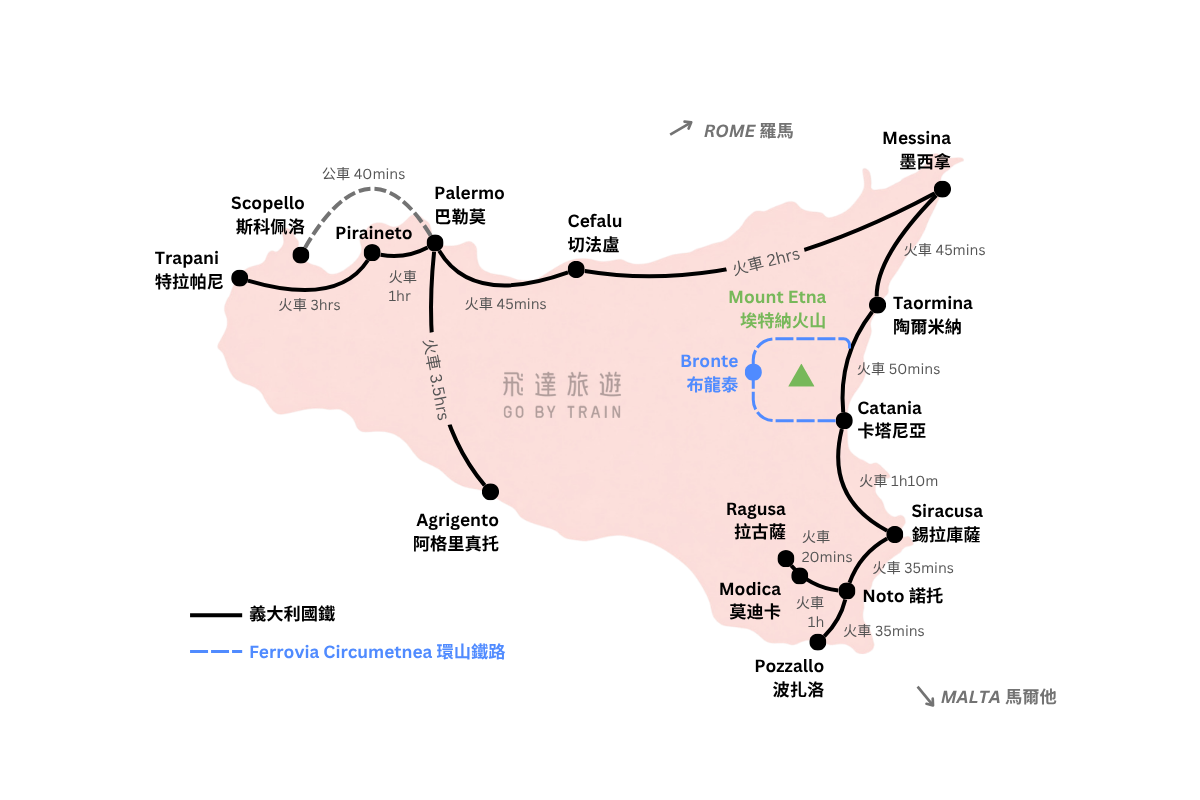
Trip Map
Detailed Itinerary
Day 2 : East & West Exploration
Upon arrival in Palermo, choose to head east to Cefalù for its Norman Cathedral and beaches, or west to Trapani or the Valley of the Temples in Agrigento.
Short Trip Recommendations
- Cefalù: Train (~45-60 min)
- Agrigento: Train (~2 hrs)
- Trapani: Bus is recommended as it's faster than the train (~1.45-2 hrs)
- Just a 30-minute hydrofoil ride from Trapani you can reach Favignana, primary filming location for Christopher Nolan’s The Odyssey.
Stay
- Palermo | Palazzo Balsamo. Located in the historic heart, featuring a signature breakfast curated by a Michelin-starred chef .
Cefalù
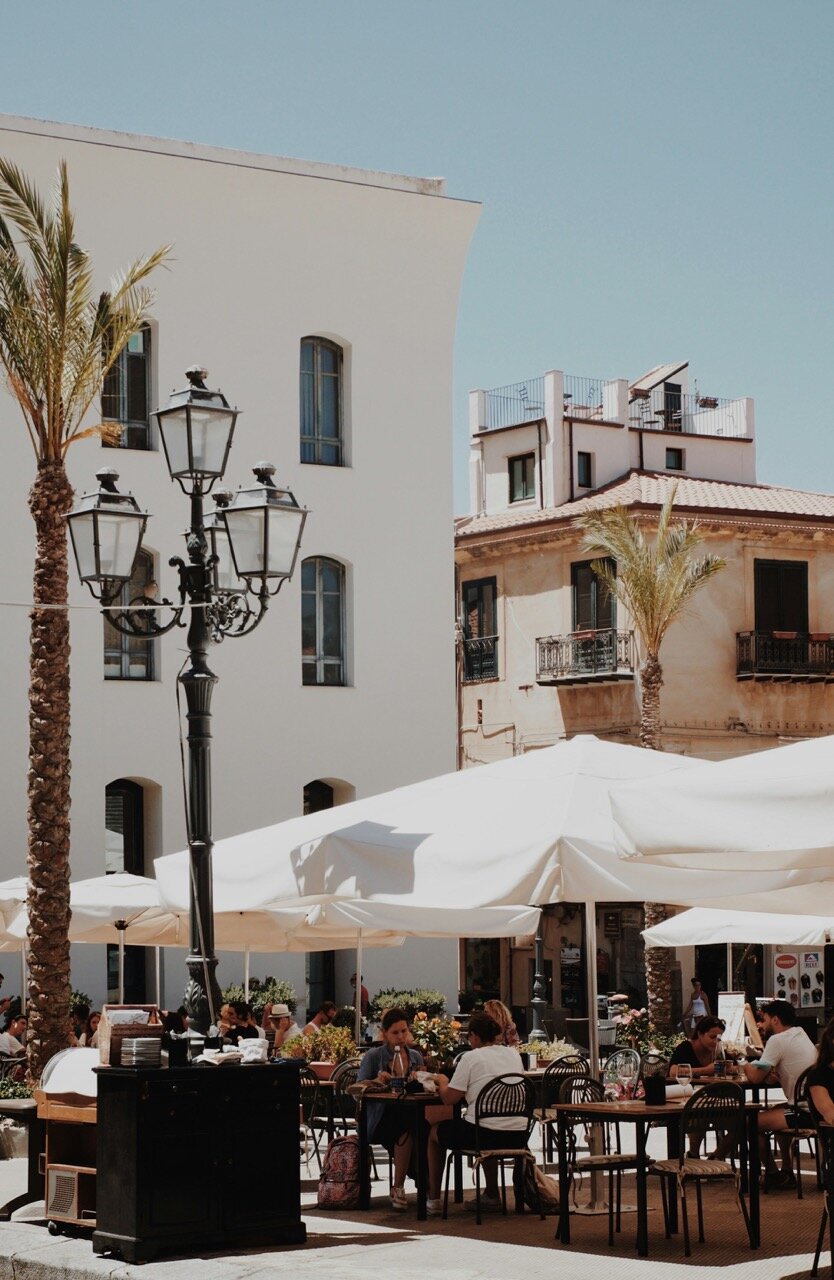
One of Sicily's most charming coastal towns. Just a 45-minute train ride from Palermo, it's the top choice for exploring Sicily's northern coast by rail. Must-See Highlights! • The Norman Cathedral: Home to masterpiece-level medieval golden mosaics. • Old Town & Beaches: Stroll through narrow cobblestone alleys that lead straight to the Mediterranean sunshine.
Agrigento
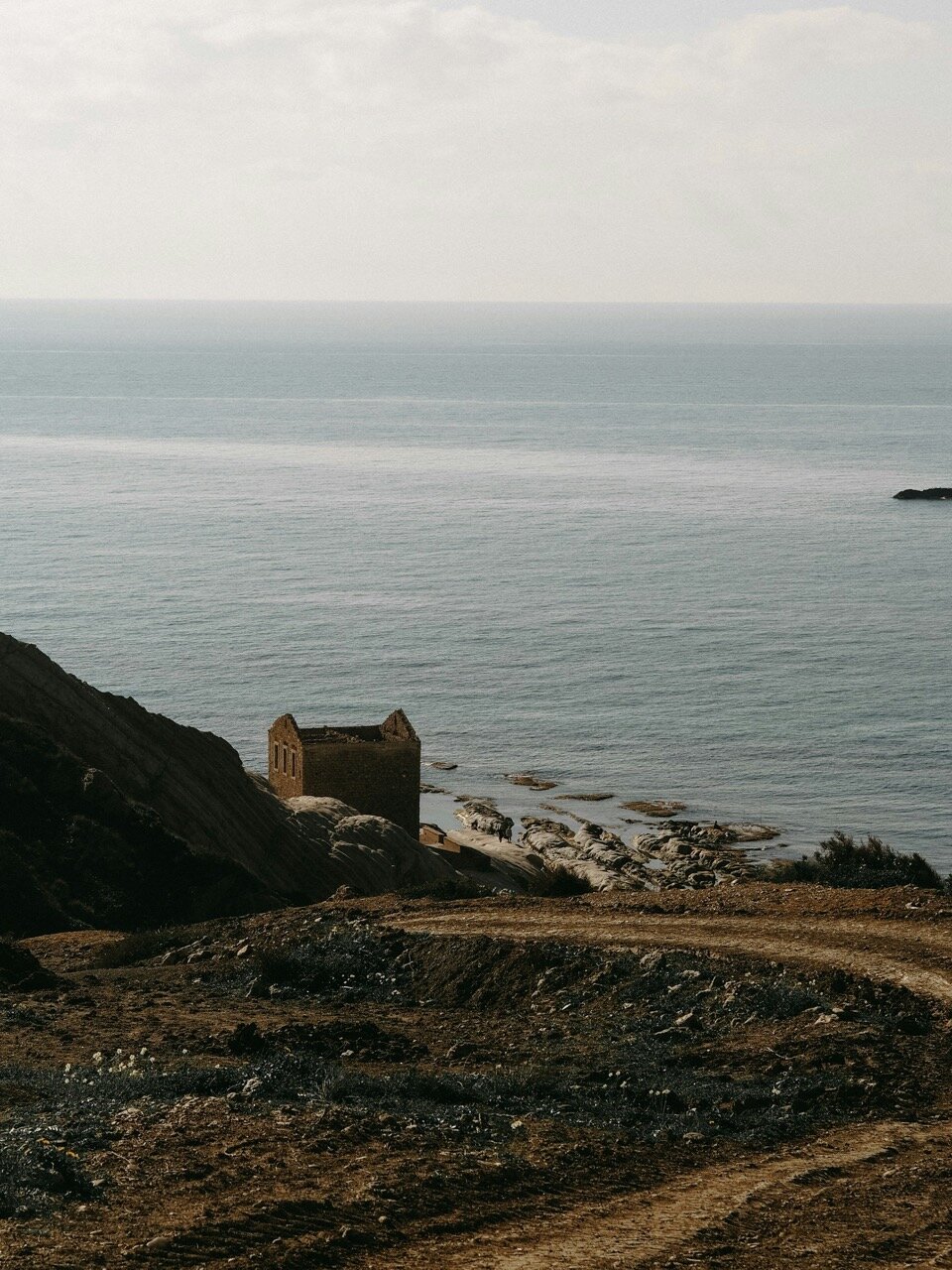
Agrigento is home to the Valley of the Temples, the most magnificent ancient Greek legacy in Sicily. Though it’s a longer train ride from Palermo, the scenery along the inland route makes it completely worth the trip. At night, as lights illuminate these ancient temples, you’ll feel instantly transported back 2,500 years to ancient Greece.
Trapani
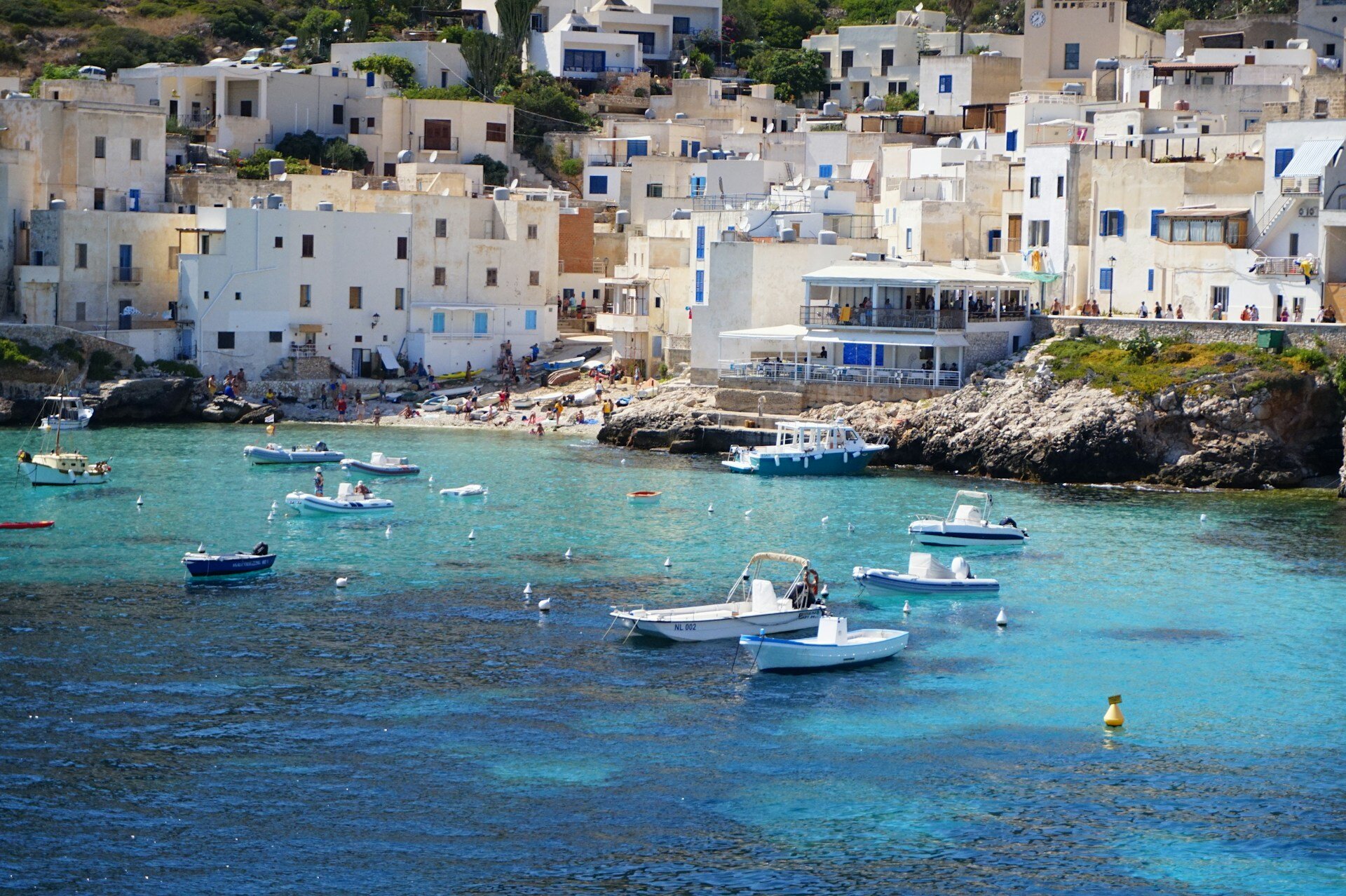
Located on the west coast, Trapani is famous for its charming Old Town, ancient salt pans, and breathtaking sunsets. It serves as the gateway to the cliffside town of Erice and the Egadi Islands, while offering a unique culinary scene centered around Arab-influenced fish couscous.
Favignana
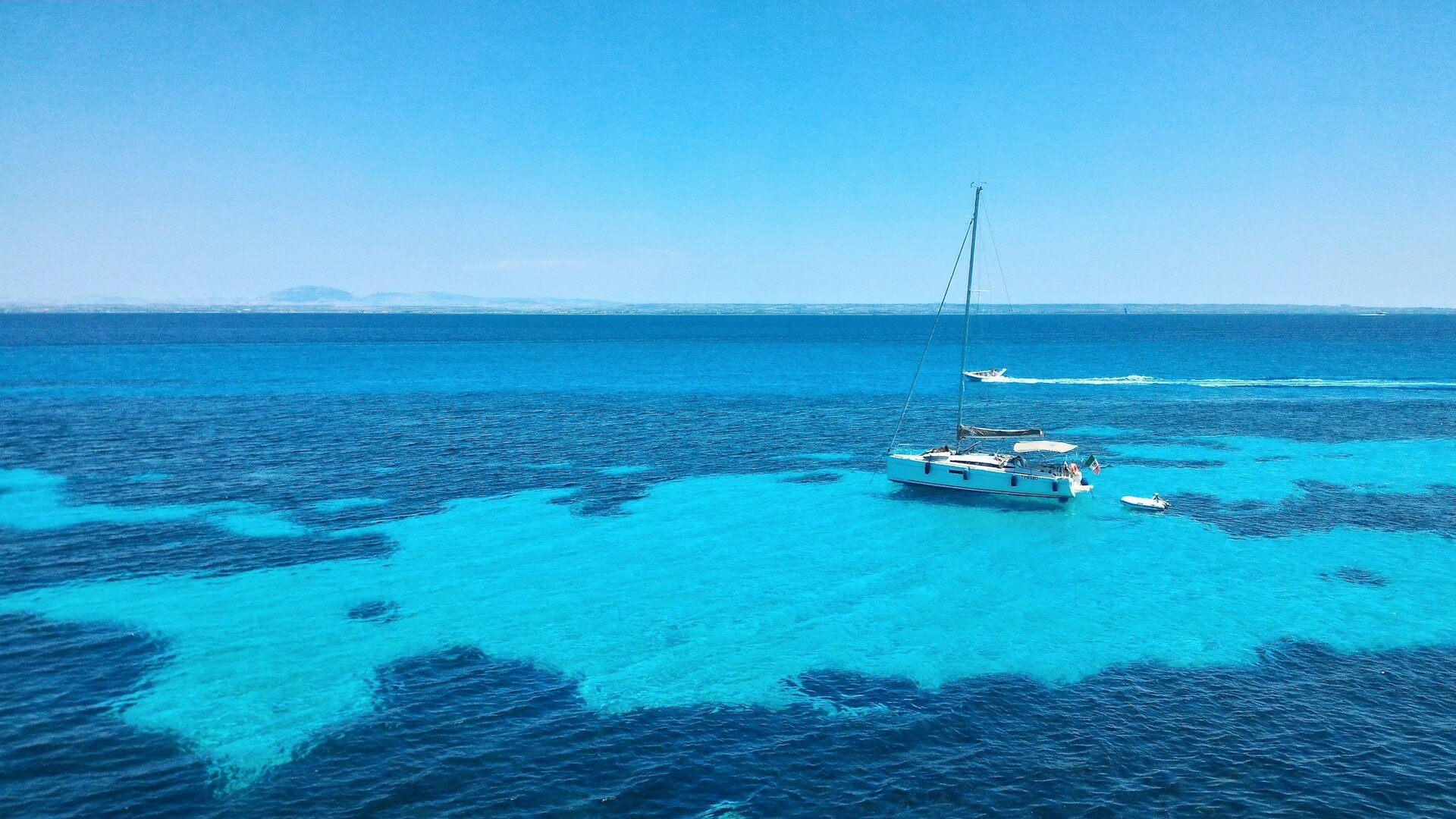
As the largest of the Egadi Islands, Favignana is famous for its stunning turquoise waters, historic tuna factory, and film feature in Christopher Nolan’s The Odyssey. Just a 30-minute ferry ride from Trapani, its flat terrain is perfect for cycling around to explore natural swimming spots carved from ancient quarries, offering an easy escape into authentic Mediterranean vibes.
Day 3 : Palermo to Taormina
Taking you from the capital city of Palermo all the way east to Taormina, this is a breathtaking journey across Sicily. The scenery transforms from vibrant historic streets filled with Arab-Norman heritage into dramatic coastal cliffs. As you reach Taormina perched high above, taking in views of the Ionian Sea and Mount Etna, two of Sicily's most enchanting souls seamlessly meet.
- Itinerary : Traverse the northern coast to the cliffside town of Taormina via a transfer in Messina .
- Transport : Train journey (~4-5 hrs) with one change at Messina Centrale .
- Stay : Taormina | Hotel Villa Ducale.
- Staying overnight allows you to experience the "noble silence" and panoramic Etna views from the terrace after day-trippers leave .
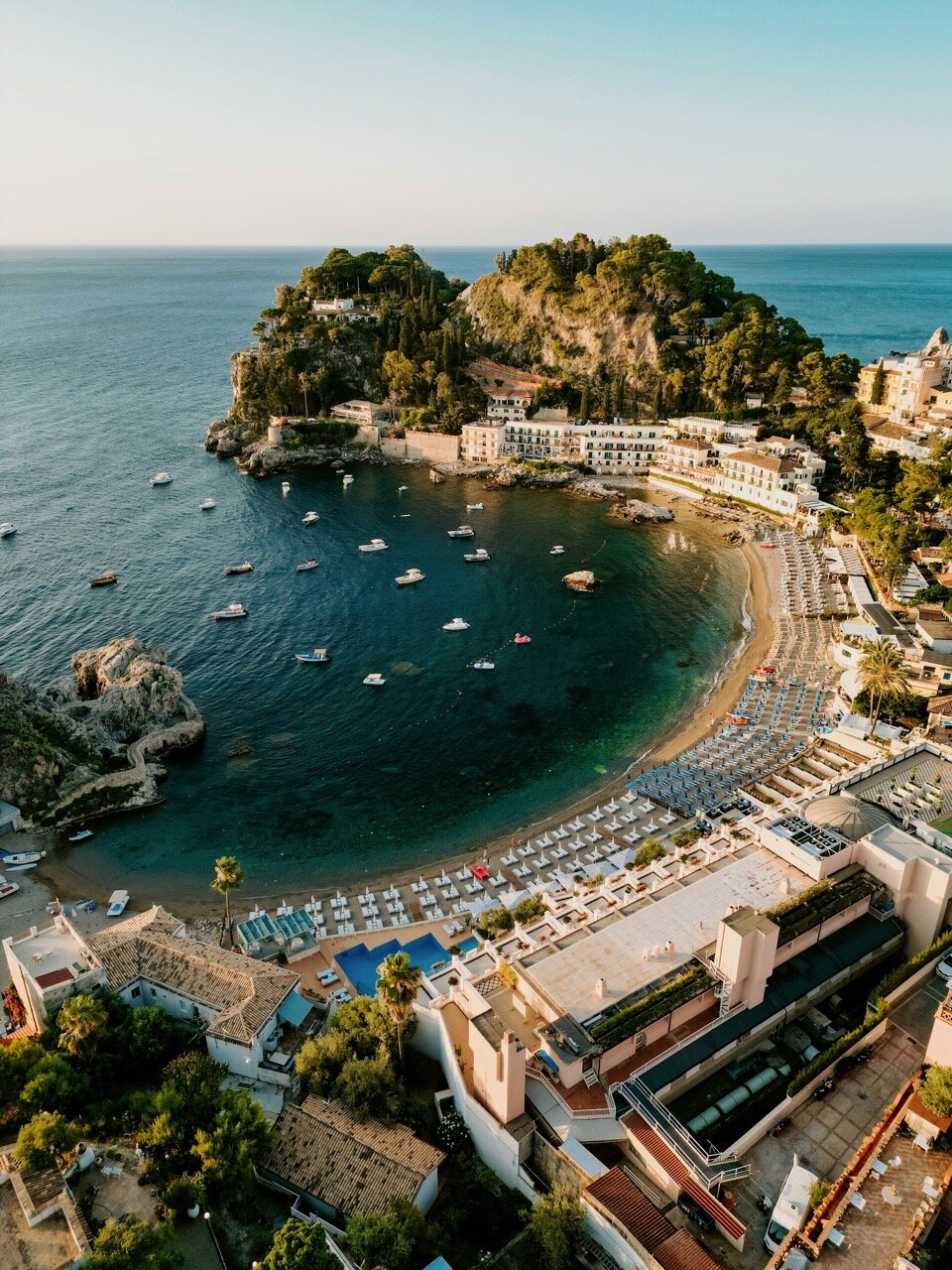
Taormina
Perched on a cliff, Taormina is Sicily’s top luxury getaway. Must-sees ! • The Ancient Greek Theatre—where you can capture ancient ruins, the sea, Mt. Etna in one shot. • Bustling Corso Umberto, lined with boutiques and cafes. • At the foot of town lies Isola Bella, a haven for snorkeling. • As daytime crowds fade, enjoy a terrace dinner overlooking the cliffs for the ultimate Italian slow life.
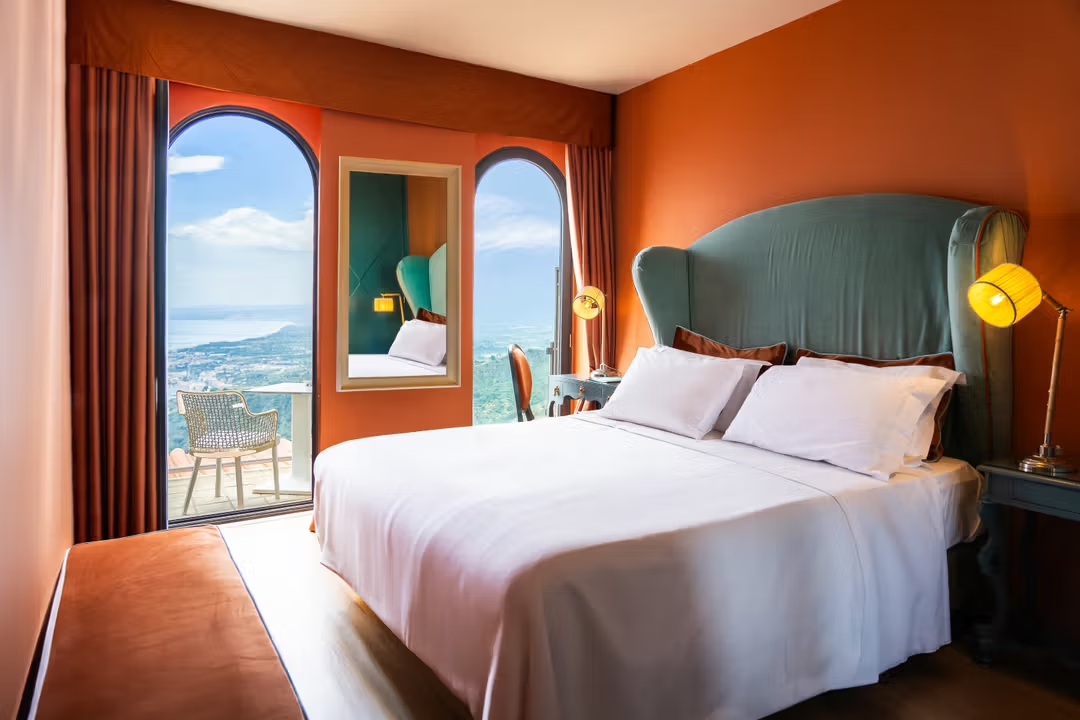
Taormina Hotel Villa Ducale
A romantic boutique hotel steeped in Sicilian charm, Hotel Villa Ducale features a magnificent terrace overlooking the Ionian Sea and Mount Etna. Guests can enjoy fine dining or evening drinks at Incanto restaurant, supported by handy shuttle transfers to the historic center and railway station for hassle-free travel.
Day 4 : Etna & Eastern Hub
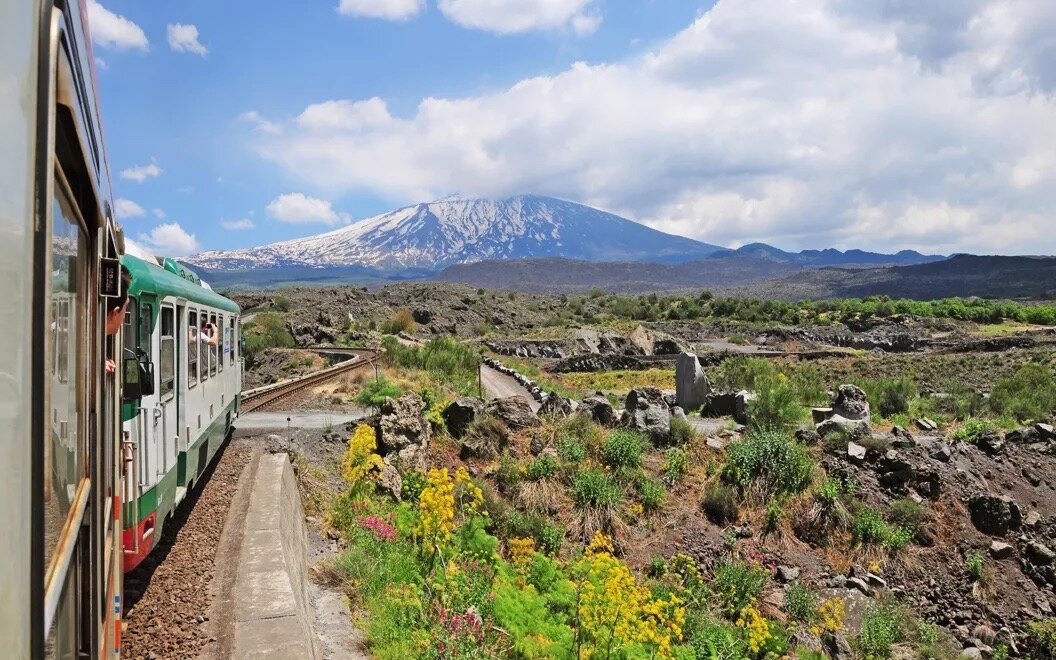
Volcanic Footprints: The Circumetnea Railway
Sicily’s most iconic off-the-beaten-path rail experience. Ride this retro narrow-gauge train as it loops around Mount Etna—Europe’s largest active volcano—passing through cooled lava beds, mountain villages, and high-altitude wineries. It offers an exceptional look at unique volcanic landscapes and a romantic way to explore the Sicilian inland.
- Itinerary : Use Taormina as a base to test the Circumetnea railway around Mt. Etna or visit the vibrant fish market in Catania .
- Catania: Train (~40-50 min).
- Etna: Circumetnea rail day trip.
- Stay : Taormina | Hotel Villa Ducale.
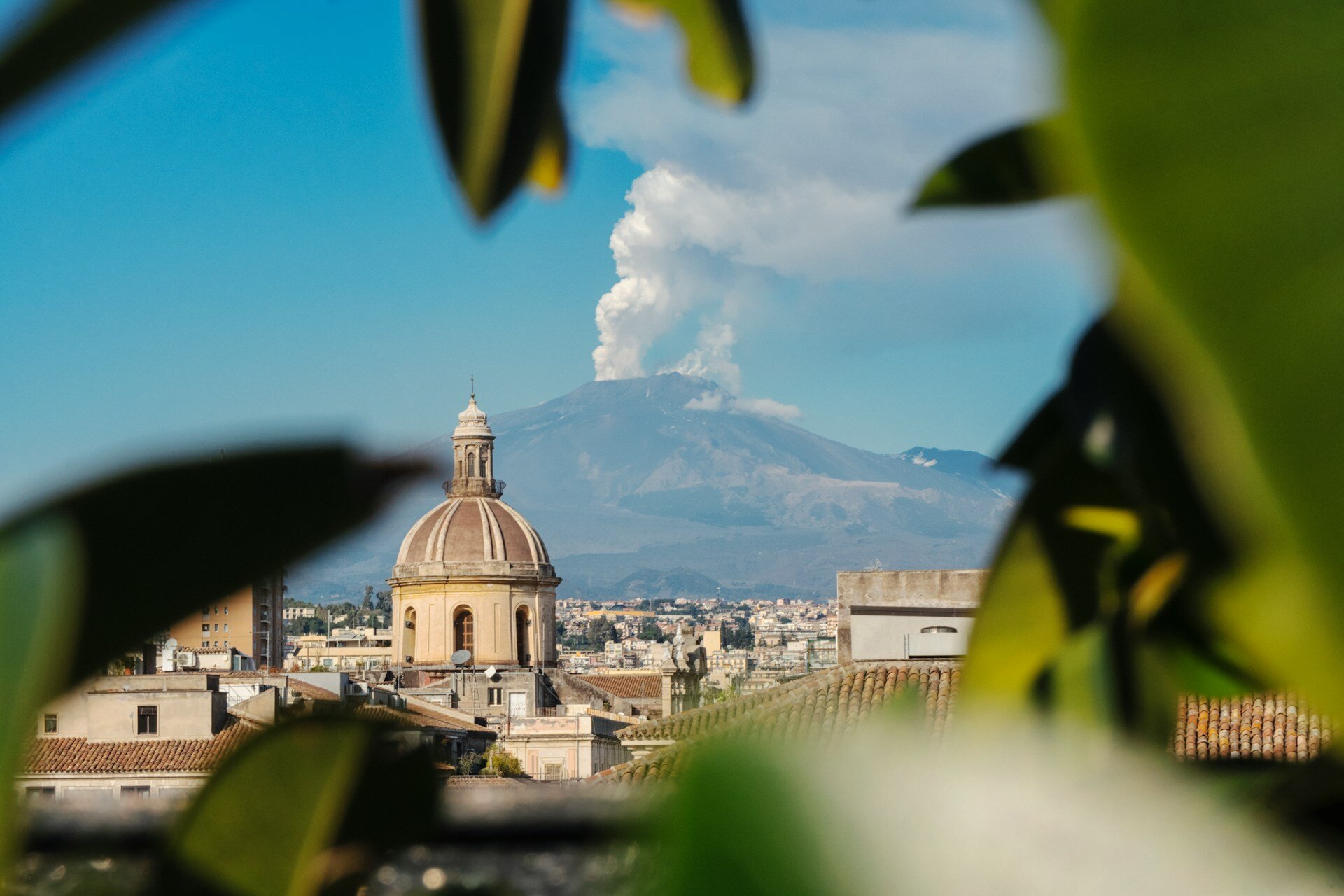
Catania
As the main transit hub of the east coast, Catania is a vibrant city built from black volcanic rock, oozing raw and gritty charm. Its legendary fish market captures the chaotic pulse of daily Sicilian life, while serving as the primary gateway for Mount Etna adventures. For train enthusiasts, it's also the ideal launching pad to ride the historic narrow-gauge Circumetnea Railway.
Ferrovia Circumetnea
Circumetnea Railway: Mt. Etna Narrow-Gauge Route A historic narrow-gauge railway circling the base of Mount Etna. Key highlights include surreal lava fields, direct access to premium Etna wine country (such as Randazzo), and a rewarding off-the-beaten-path journey for train enthusiasts seeking an authentic volcanic experience.
Day 5 : Taormina to Siracusa
Traveling south from the resort town of Taormina to Syracuse is a quintessential journey along Sicily’s east coast. With the deep blue Ionian Sea on your left and majestic Mount Etna on your right, the route unfolds with breathtaking views.
Crossing the bridge into Ortigia—Syracuse’s historic heart—feels like stepping straight into an ancient corridor of Archimedes and Greek civilization, shifting gracefully from coastal glamour to timeless heritage.
- Itinerary : Head south by rail to the island of Ortygia, the historic heart of Syracuse.
- Transport : Train journey (~1.5-2 hrs) offering beautiful Ionian sea views.
- Stay : Siracusa | Palazzo Artemide (Ortigia).
- A 19th-century palace near the Duomo, perfect for immersing in Baroque aesthetics.
Siracusa
Syracuse (Siracusa): Ancient Heritage & Coastal Elegance A laid-back coastal city centered on Ortigia Island. Key highlights include the iconic Duomo built over an ancient Greek temple, Neapolis Archaeological Park with its Greek Theatre and Ear of Dionysius, a bustling island fish market, and a relaxed atmosphere perfect for exploring southern Sicily’s baroque towns.
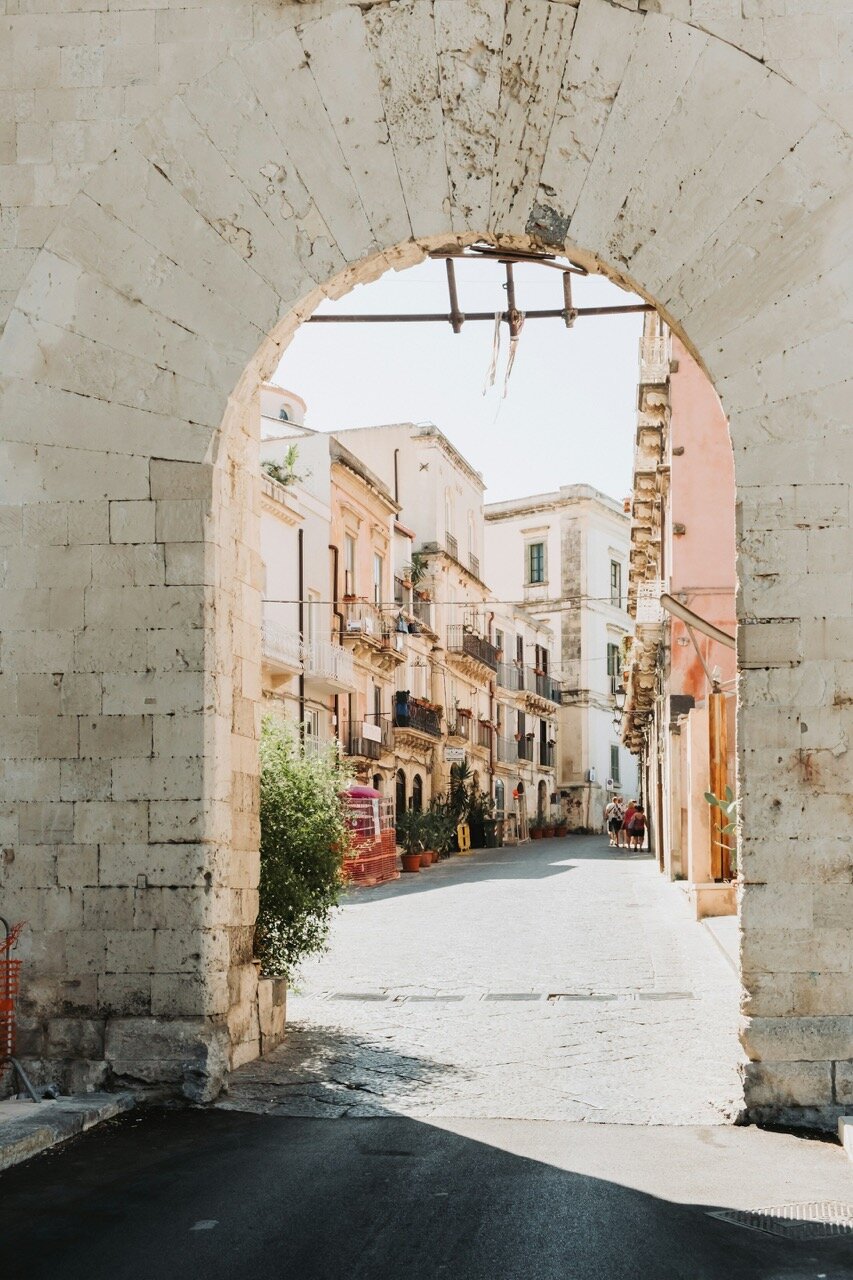
Siracusa Palazzo Artemide
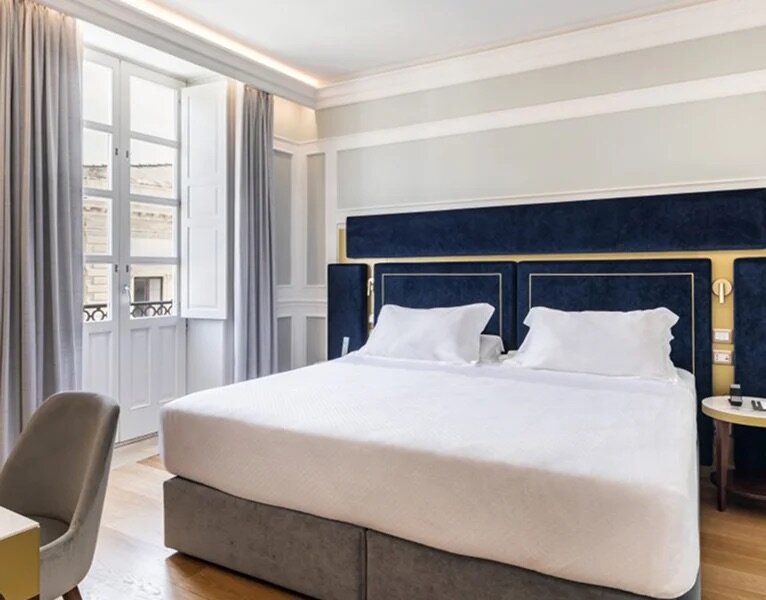
Housed in a 19th-century palazzo in the heart of Ortigia, Palazzo Artemide embodies the timeless baroque soul of Syracuse. With its limestone vaulting, tranquil courtyard, and select rooms overlooking Piazza Minerva, the hotel radiates classical grandeur. Its Amunì restaurant blends Mediterranean flavors with local traditions, offering a poetic stay designed to leave an enduring Sicilian memory.
Day 6: Baroque Soul & Return
Baroque Soul & The Journey Home: Syracuse Epilogue
The journey reaches its grand conclusion in the ancient port of Syracuse. From Greek ruins to Ortigia’s baroque light and shadows, this final chapter gathers the romance and radiance of Sicily, offering a timeless and poetic end to your eastern coast adventure.
Explore the Baroque towns of Val di Noto or scout the transit point to Malta in Pozzallo.
- Noto: Train (~35 min).
- Ragusa & Modica: Train (~2 hrs).
- Pozzallo: Train (~1 hr 10 min).
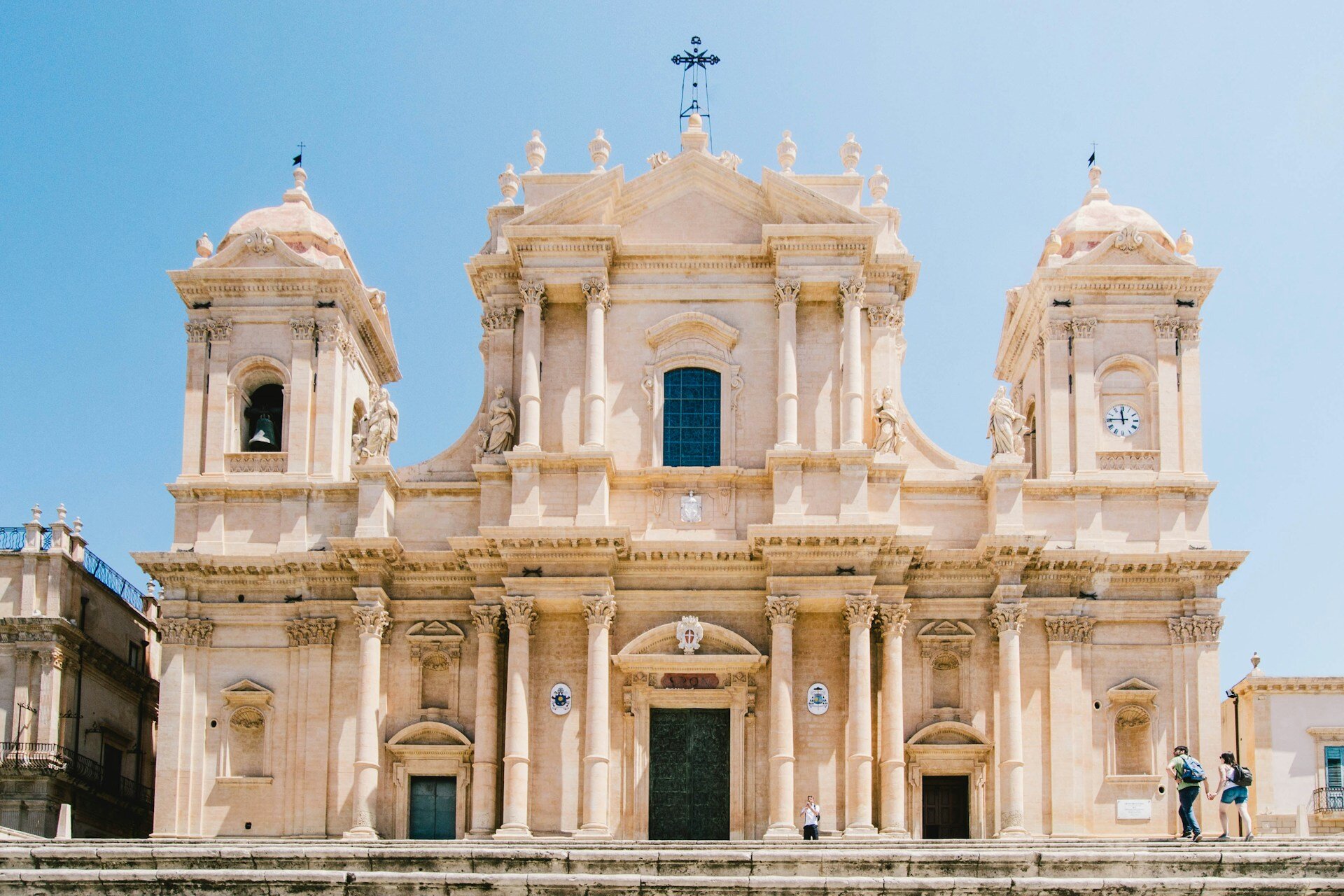
Noto
Known as the "Stone Garden," Noto is the ultimate expression of Sicilian Baroque aesthetics. Rebuilt after the 1693 earthquake, the town is filled with honey-colored ornate buildings, featuring perfectly proportioned cathedrals and streets. A short train ride from Syracuse, it is the premier choice for testing the historic atmosphere of the "Barocco Line".
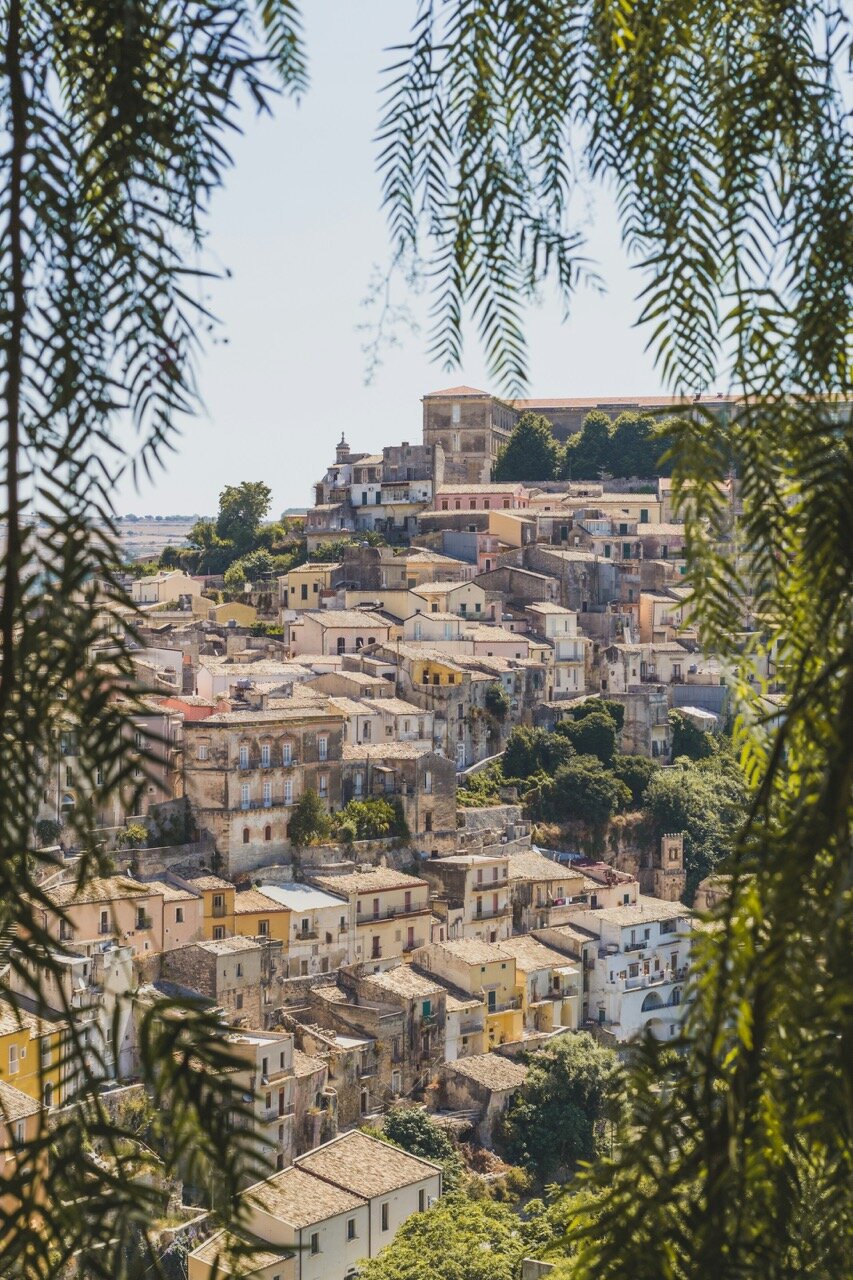
Ragusa
A UNESCO World Heritage site, Ragusa is the dramatic showcase of the Val di Noto's baroque architecture. Divided between the modern, lived-in Ragusa Superiore and its historic heart, Ragusa Ibla, the latter captivates with labyrinthine alleyways and iconic hilltop cathedrals. Renowned as a culinary capital packed with authentic trattorias, it stands out as the most awe-inspiring stop along the scenic Barocco Line railway.

Pozzallo
Pozzallo is a serene coastal resort at the southern tip of Sicily, famed for its long, golden sandy beaches and crystal-clear waters.
Beyond its bustling fishing harbor serving exceptionally fresh seafood, the town holds key strategic value as the primary ferry gateway connecting Sicily to the island nation of Malta.
Modica
Another jewel of Sicilian Baroque, Modica cascades dramatically down a steep ravine, crowned by the majestic Cathedral of San Giorgio.
The town is world-renowned for its cold-crafted Modica chocolate—a recipe inherited from the Spanish rule using ancient Aztec techniques. Its unique grainy texture and pure cocoa profile offer a bittersweet taste found nowhere else in Italy.
Malta
Bathed in Mediterranean sunshine, Malta is a sun-kissed archipelago boasting 7,000 years of history and its UNESCO-listed capital, Valletta.
With English as an official language and over 300 days of sunshine a year, this island nation is famous for its breathtaking coastline and idyllic Blue Lagoon. It seamlessly merges rich heritage with modern vitality, making it a true jewel of Southern Europe.
Accommodation Guide
Sicily
Palermo Palazzo Balsamo
A refined sanctuary in the heart of Palermo, Palazzo Balsamo offers a poetic reimagining of past elegance. Located near the historic Via dei Biciclettai, the hotel features the tranquil Atelier del Barone for quiet relaxation. Its crowning glory is a signature breakfast curated by Michelin-starred chef Giuseppe Costa, showcasing fresh produce from his family organic farm for an authentic Sicilian morning ritual.
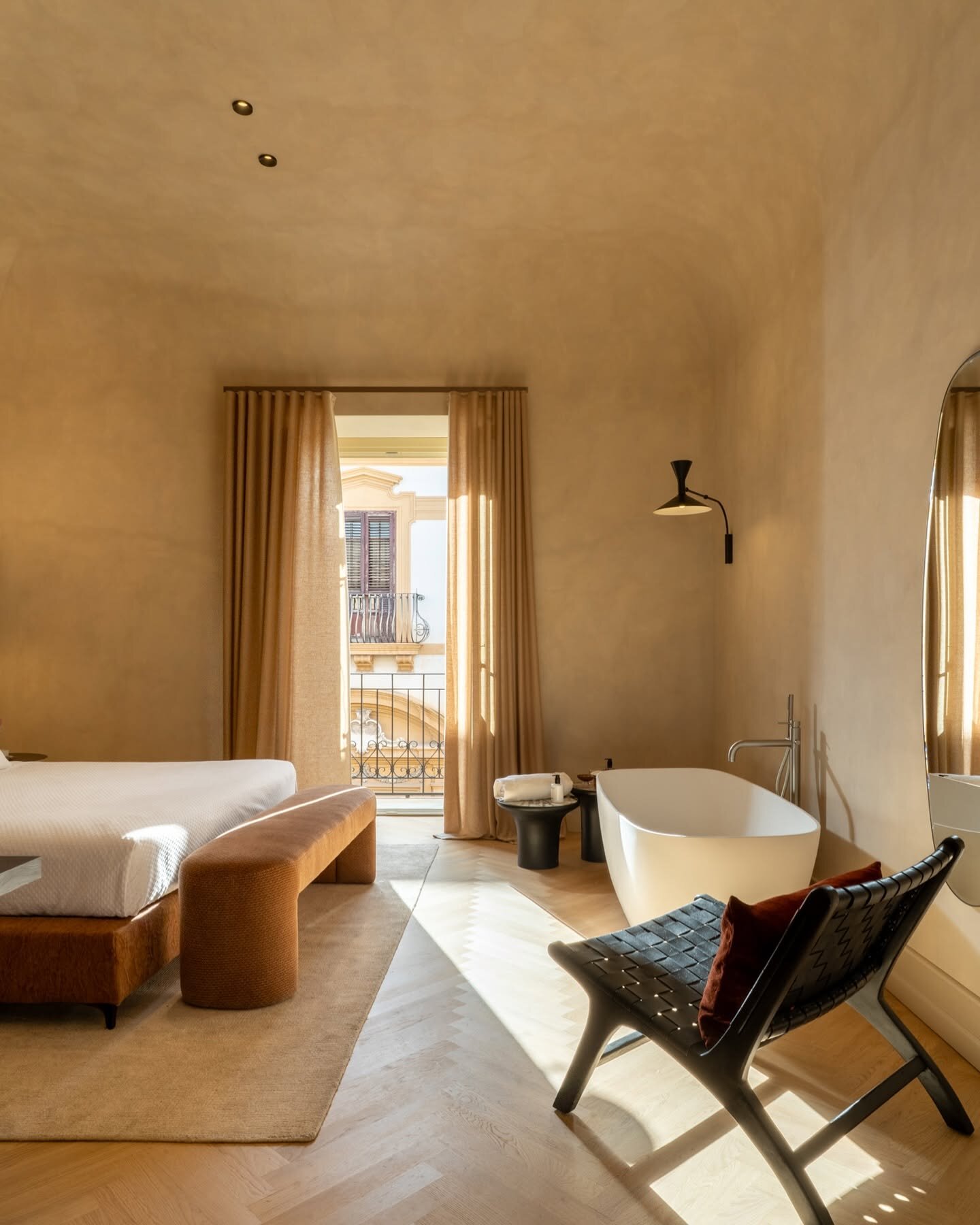
Taormina Hotel Villa Ducale
A romantic boutique hotel steeped in Sicilian charm, Hotel Villa Ducale features a magnificent terrace overlooking the Ionian Sea and Mount Etna. Guests can enjoy fine dining or evening drinks at Incanto restaurant, supported by handy shuttle transfers to the historic center and railway station for hassle-free travel.
Siracusa Palazzo Artemide
Housed in a 19th-century palazzo in the heart of Ortigia, Palazzo Artemide embodies the timeless baroque soul of Syracuse. With its limestone vaulting, tranquil courtyard, and select rooms overlooking Piazza Minerva, the hotel radiates classical grandeur. Its Amunì restaurant blends Mediterranean flavors with local traditions, offering a poetic stay designed to leave an enduring Sicilian memory.
FAQs
Does the itinerary include a sleeper train from Rome to Sicily?
Will the sleeper train to Sicily actually take me onto the ferry? Do I need to get off?
Is English widely spoken?
What is the local concept of time?
What is Riposo
Are there specific dining hours?
How do tipping and service charges work?
Is it okay to talk about the Mafia in Sicily?
Why do locals discourage buying
Should I eat Cannoli in the summer?
Where was Christopher Nolan’s 2026 blockbuster The Odyssey primarily filmed in Sicily, and what is its historical and mythic significance?
Pre-Departure Tips
1. Travel Characteristics and Transport
- Cash is King: While many restaurants and stores accept major credit cards, smaller boutiques, local markets, taxis, and buses often only take cash. Be aware that ATMs may run out of money, especially over the weekend, and transaction fees can be quite high.
- Transport Flexibility: Train service in Sicily is limited, and schedules are not always reliable. When planning your itinerary, ensure you include plenty of buffer time and avoid making your transfer windows too tight.
- Don't Stay in Only One City: Major attractions are dispersed across the island, so choosing a single city as a base for your entire trip will feel very limiting. The "three-base" plan (Palermo, Taormina, and Syracuse) is an excellent strategy to cover the main coastlines effectively.
2. Authentic Sicilian Cuisine
- Ice Cream for Breakfast: It is perfectly acceptable and a popular local tradition in Sicily to eat gelato or granita (shaved ice) served inside a fluffy brioche bun first thing in the morning.
- Seafood and Street Food: Trying the "catch of the day" is highly recommended, as seafood is a Sicilian specialty. In Palermo's clamorous markets like Ballaro, you must try the classic arancini (fried rice balls).
- Cross-Cultural Fusion: Due to historical Arab influence, parts of Sicily have a tradition of eating couscous, which is a unique culinary trait that distinguishes the island from mainland Italy.
3. Health and Physical Needs
- Mosquito and Sun Protection: Mosquitoes are very common; it is recommended to buy insect repellent locally (rosemary-scented sprays are highly effective) and apply sunscreen frequently to protect against the sun.
- Drinking Tap Water: Tap water and water from public fountains are generally safe to drink unless specifically marked as "non potabile". Note that restaurants will serve bottled water and charge you for it.
4. Cultural Minefields: The Mafia
- Reject Commercialized "Godfather" Tours: Sources strongly advise against participating in purely recreational "Godfather" tours or buying Mafia-themed souvenirs, as the Mafia is a criminal organization and is not considered part of Sicilian culture.
- Respect History: When learning about the history of the anti-Mafia struggle, such as the assassinations of judges Falcone and Borsellino, maintain a serious and respectful demeanor, as these are real stories of sacrifice and social reform for the local people.
5. Culinary Taboos: Cannoli Seasonality
- Summer Alternatives: If you are visiting between June and September, consider alternatives like granita con brioche. Authentic Sicilians often avoid cannoli in the summer because the high-quality sheep ricotta used for the filling is only produced from Autumn to Spring.
- Seeking Seasonal Flavors: If you visit during the cooler months, be sure to try authentic sheep ricotta cannoli, which represents the true "soul" of Sicilian desserts.
Related Tours