6 Nights Southern Italy Tour (Including Sicily)
Classic Southern Italy Coast & Sicily Tour
Price Per Person
Starting at TWD 93,000
Category
Italy is the country with the most UNESCO World Heritage sites in the world. This journey begins in Rome, where you will travel through time—from ancient Greek and Roman culture to the Renaissance. From the Four Rivers Fountain, the Colosseum, to the Pantheon, step into a historical time tunnel and immerse yourself in the rich heritage of this millennia-old city! Next, we head to Southern Italy, where under the warm sunshine and gentle sea breeze, you will experience a completely different charm from the big cities. Enjoy the breathtaking coastal scenery of the Amalfi Coast and the mysterious romance of Sicily, bringing your vision of paradise to life!

Train
- Rome → Naples: 1hr11 min
- Naples ↔ Pompeii: 1hr round trip
- Naples → Salerno: 38min
- Salerno → Catania: 7hr46min
- Salerno → Amalfi: by ferry

Hotel
- Rome 羅馬 ×1 night
- Naples (Napoli / 拿坡里) ×1 night
- Amalfi Coast 阿瑪爾菲海岸 ×2 nights
- Catania 卡塔尼亞 ×2 nights

Others
- Travel liability insurance: TWD 5,000,000 accident coverage + TWD 200,000 medical coverage (applies only when flying from Taiwan)
- Schengen travel insurance with inconvenience coverage: TWD 5,000,000 accident coverage + TWD 1,500,000 medical coverage (applies only when flying from Taiwan)
- Overseas sudden illness + flight and luggage delay insurance
- Europe-wide prepaid SIM card
- Travel accessories / small travel items
Trip Rules
- Price: TWD 93,000+ per person, based on double occupancy
- Travel period: 2027
- During peak exhibition periods, hotel rates may be adjusted according to actual booking prices.
- In case of train maintenance or service suspension, the itinerary may need to be revised. For details, please consult your travel advisor.
- Price does not include airfares, passport, visa fees, train sleeper charges, or city taxes.
Detailed Itinerary
Day 1 | Rome / Overnight in Rome
Rome | The Eternal City
The political, economic, and cultural center of Italy and the birthplace of ancient Roman civilization. The glory of the former empire can still be seen on every street today, where ancient ruins, Renaissance architecture, and Baroque landmarks sit side by side, wrapping visitors in a profound sense of history.
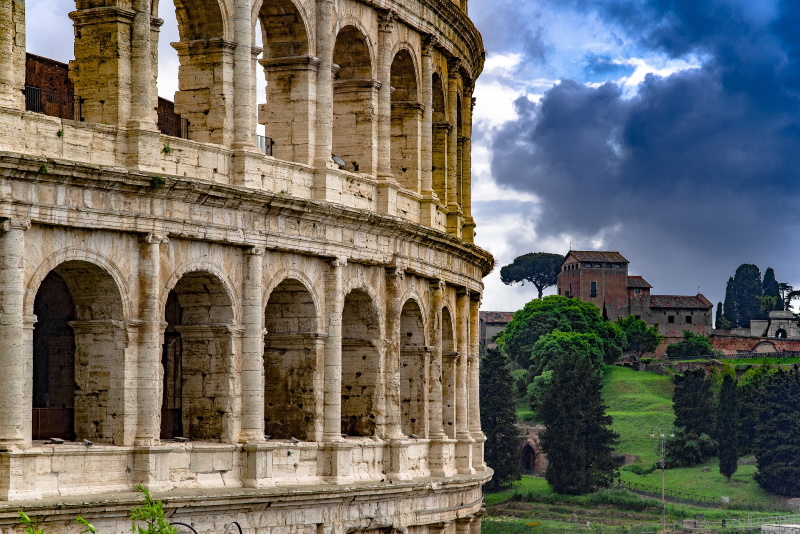
The Colosseum (Colosseo)
One of the New Seven Wonders of the World and a must-visit in Rome. It could hold 50,000 to 80,000 spectators, and visitors could find their seats quickly by following the numbered arches, a design still widely used today.
- Metro Line B, Colosseo station
- Buses 75, 81, 175, 204
Tip: This is a popular attraction, so we recommend booking tickets in advance to skip the queues.
The Pantheon
One of the greatest buildings of ancient Rome and the final resting place of Raphael, one of the three masters of the Renaissance. The circular opening at the center of the dome, known as the “Oculus,” is the only source of light, and its beam shifts with the sun, creating a solemn, sacred atmosphere. The interior has no supporting columns, giving an open, unobstructed view, and the engineering still rivals modern architecture.
- Metro Line A, Barberini station
- Buses 30, 40, 62, 64, 81, 87, 492 to Torre Argentina stop
Sant’Eustachio Il Caffè & Giolitti Gelato
After visiting the Pantheon, step into the nearby alleys to find “Caffè Sant’Eustachio.” This 70-year-old café rose to fame after Dan Brown described its coffee as “the best in Rome” in Angels & Demons. Be sure to take a few bags of coffee beans home.
- Giolitti, Rome’s must-try gelateria, is also in the area. Enjoy rich gelato from this century-old shop as you stroll the streets.
More Places to Visit
- Piazza di Spagna (Spanish Steps): Filming location of the film Roman Holiday
- Baths of Caracalla: Commonly known as the “Roman Baths”
- Piazza Navona: Hailed as “the most beautiful square in Rome,” featuring Bernini’s Fountain of the Four Rivers
- Castel Sant’Angelo & Ponte Sant’Angelo: Filming location of Angels & Demons; the bridge is known as “the most beautiful bridge over the Tiber”
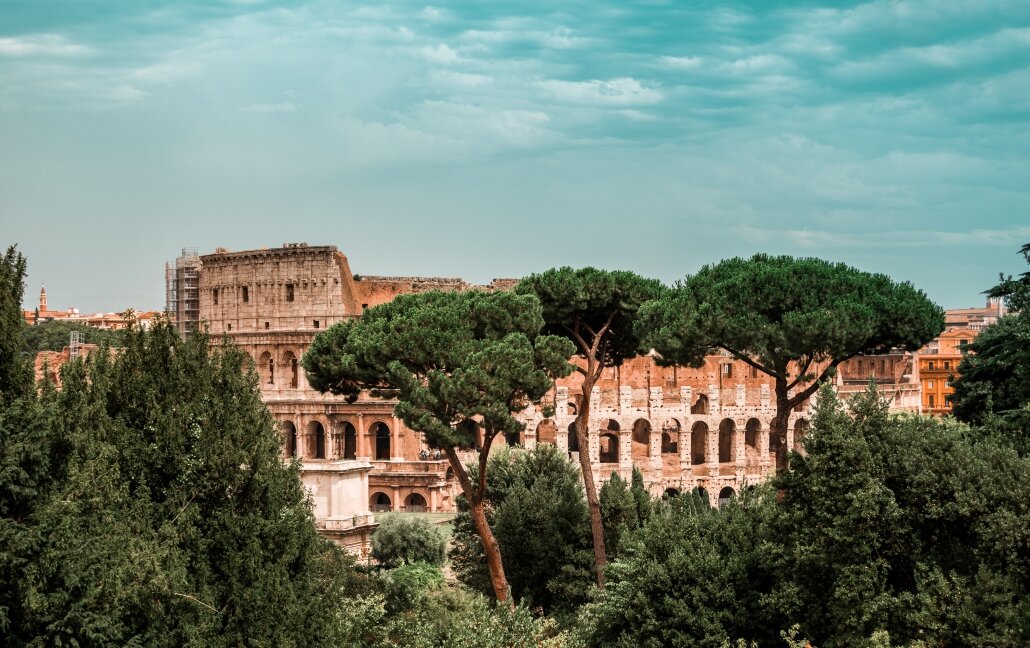
【Federal Exclusive】Classic Rome One - Day Tour with Fast-Track Entry and Lunch ( Not included in the itinerary )
Italy has more UNESCO World Heritage Sites than any other country. Join a professional guide for a full day exploring Rome’s most significant historical landmarks:
- Vatican Museums (fast-track entry included)
- Colosseum (fast-track entry included)
- Sistine Chapel
- St. Peter’s Basilica
- Roman Forum, and more
✅ Fast-track entry: skip the lines and see more in less time
✅ Professional guide: learn the history and culture behind each site and gain a deeper understanding of this ancient city
Day 2 | Rome → Naples / Overnight in Naples
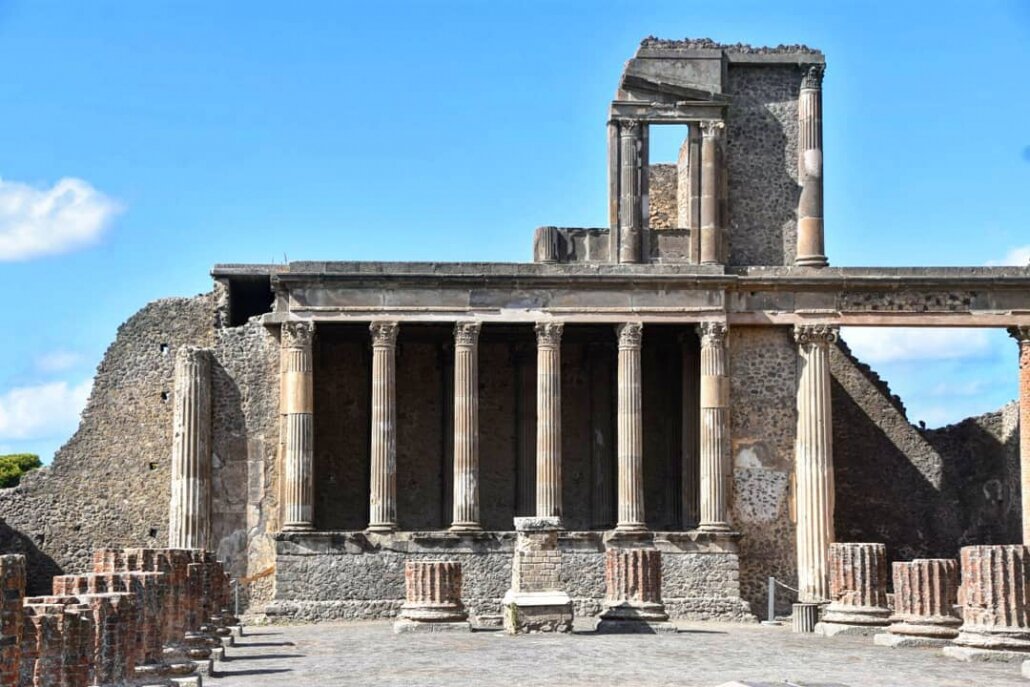
Pompeii | An Ancient Roman City Frozen in Time
Once a thriving Roman city, Pompeii was buried beneath the earth by a sudden catastrophe. Wandering among its ruins with Mount Vesuvius looming in the distance, you can almost hear the splashing of the baths, the calls of merchants, and smell the aroma of freshly baked bread. Time seems to have stopped at that very moment in history.
Background
The ruins of Pompeii were designated a UNESCO World Heritage Site in 1997 and are among the most famous archaeological sites in the world. It began as a small fishing village on the Bay of Naples at the foot of Mount Vesuvius, then rose rapidly after coming under Roman rule to become the second-largest city after Rome. Blessed with fertile land and natural thermal springs, it was already a gathering place for Roman aristocrats and the wealthy by AD 79. Its streets run in a grid pattern, faithfully following the traditional layout of a Roman city and its way of life.
Highlights
Pompeii is divided into nine official zones. Must-see sites include:
- The Large Theatre, with a capacity of 5,000
- Bustling shopfronts and market streets
- The amphitheater
- Large public baths fed by spring water
- Preserved bakeries and eateries
The Mystery of Pompeii
Some say the city’s destruction was divine punishment for its indulgent lifestyle, and an inscription found among the ruins reads, “Nothing in this world lasts forever.” Whatever the truth, the allure of this ancient city continues to captivate travelers from around the world.
Day 3 - 4 | Naples → Salerno → Amalfi Coast / Overnight in Amalfi for 2 nights
Naples → Salerno → Amalfi
On this day, take a train from Naples to Salerno, make a short stop, then board a ferry to Amalfi.
Salerno
An important port city in the Campania region and the region’s second-largest province.
Salerno Cathedral
Built by the Normans in the 11th century in honor of St. Matthew, one of the Twelve Apostles. The saint’s remains are said to lie beneath the main altar in the crypt. The bell tower is Arab-Norman in style, the bronze doors are Byzantine, and the Crusaders’ Chapel in an apse on the right houses weapons used by Crusader soldiers.
🚶 About a 15-minute walk from the train station along Corso Vittorio Emanuele
Arechi Castle (Castello di Arechi)
Perched on a hilltop to the northwest of the city at an elevation of 263 meters, it offers panoramic views over Salerno. It began as a Byzantine fortress, was rebuilt in the 8th century by the Lombard duke Arechi II, and was renovated several times by the Normans and Aragonese. Today it displays weapons, pottery, and coins, making a visit feel like stepping into a time tunnel.
The Amalfi Coast
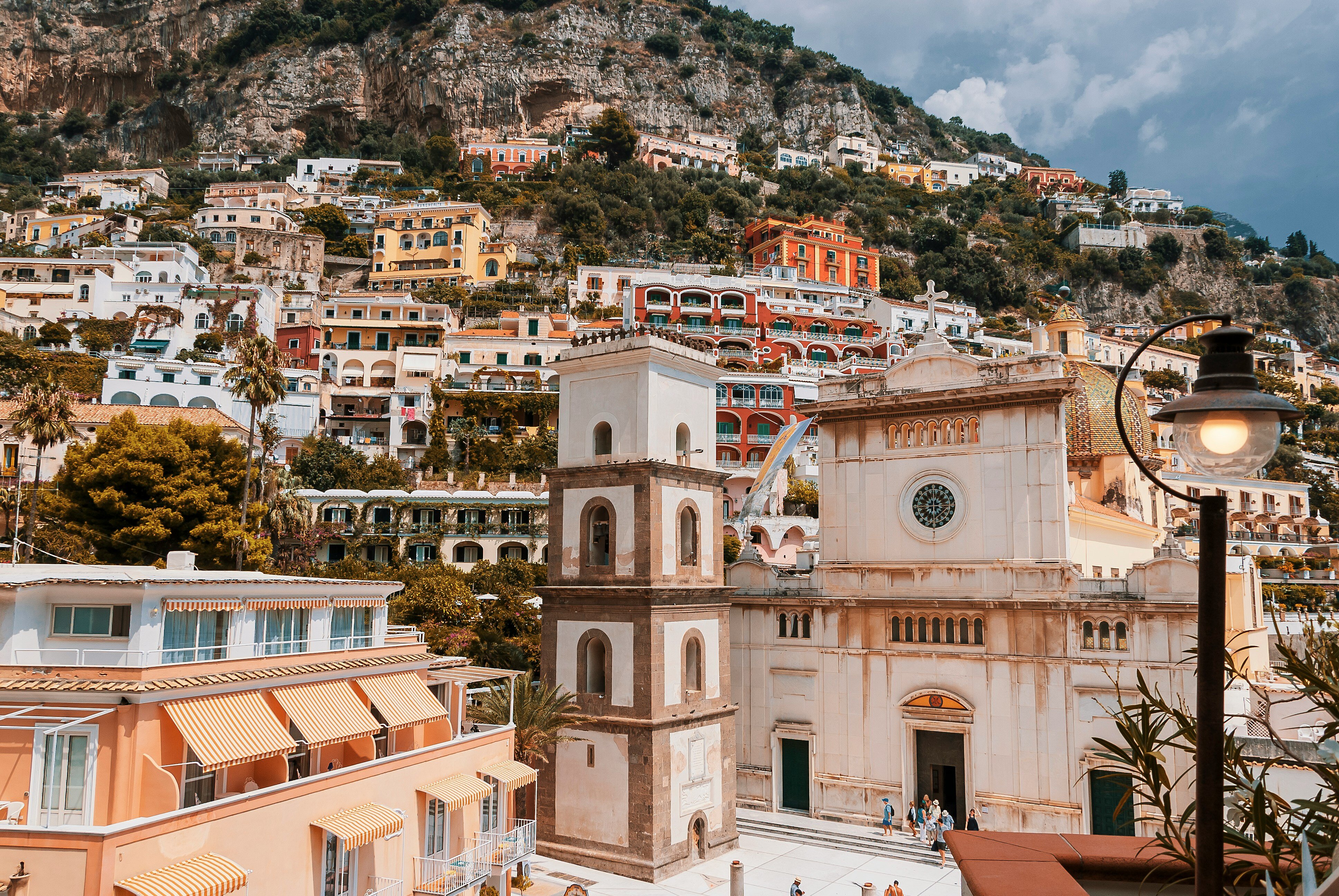
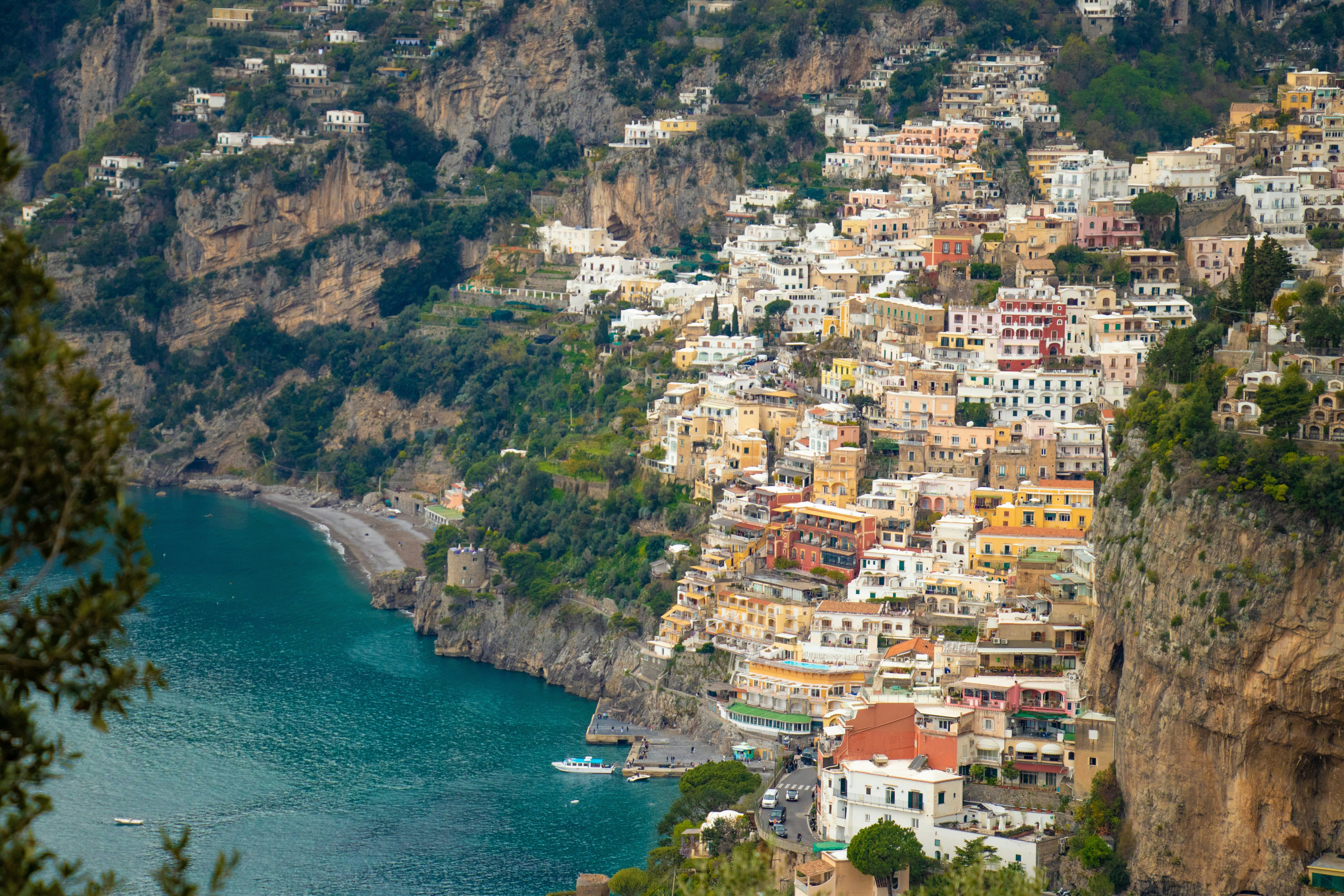
Famed for its dramatic cliffs and magnificent seascapes, the Amalfi Coast was once named by National Geographic as a must-visit paradise for travelers, and its 40-kilometer coastline is a UNESCO World Heritage Site. Between the 8th and 10th centuries, Amalfi was a prosperous trading port and even an independent republic; today, its stunning scenery draws visitors from around the world. Residents have long lived at the foot of the mountains, where colorful houses are stacked layer upon layer along the slopes, resembling a richly colored oil painting from afar. Winding along the mountain roads above the cliffs, you will see the ancient towns of Sorrento, Positano, and Amalfi appear one after another.
Positano
Built right along the sea, Positano is said to have been created by the sea god Poseidon for his beloved nymph Pasitea. Its romantic charm is known worldwide, and it has served as a filming location for many movies. It is where Diane Lane meets her Italian lover in Under the Tuscan Sun. American writer John Steinbeck once described Positano as a place like a scene from a dream: it feels unreal while you are there, but after you leave, it becomes vivid and unforgettable.
Day 5 - 6 | Amalfi → Salerno → Catania (Sicily) / Overnight in Catania
Sicily | A Mediterranean Island of Many Cultures
Located off the toe of Italy’s “boot,” Sicily enjoys mild winters and dry summers, a classic Mediterranean climate. Many people think of the Mafia first when they hear “Sicily,” but the island is in fact a natural harbor in an ideal location and has long played an important role in Mediterranean trade. Through successive dynasties and eras, traces of different cultures can be found everywhere on the island. Distinctive architecture, a diverse cultural heritage, and wonderful food and wine give Sicily a mysterious charm all its own.
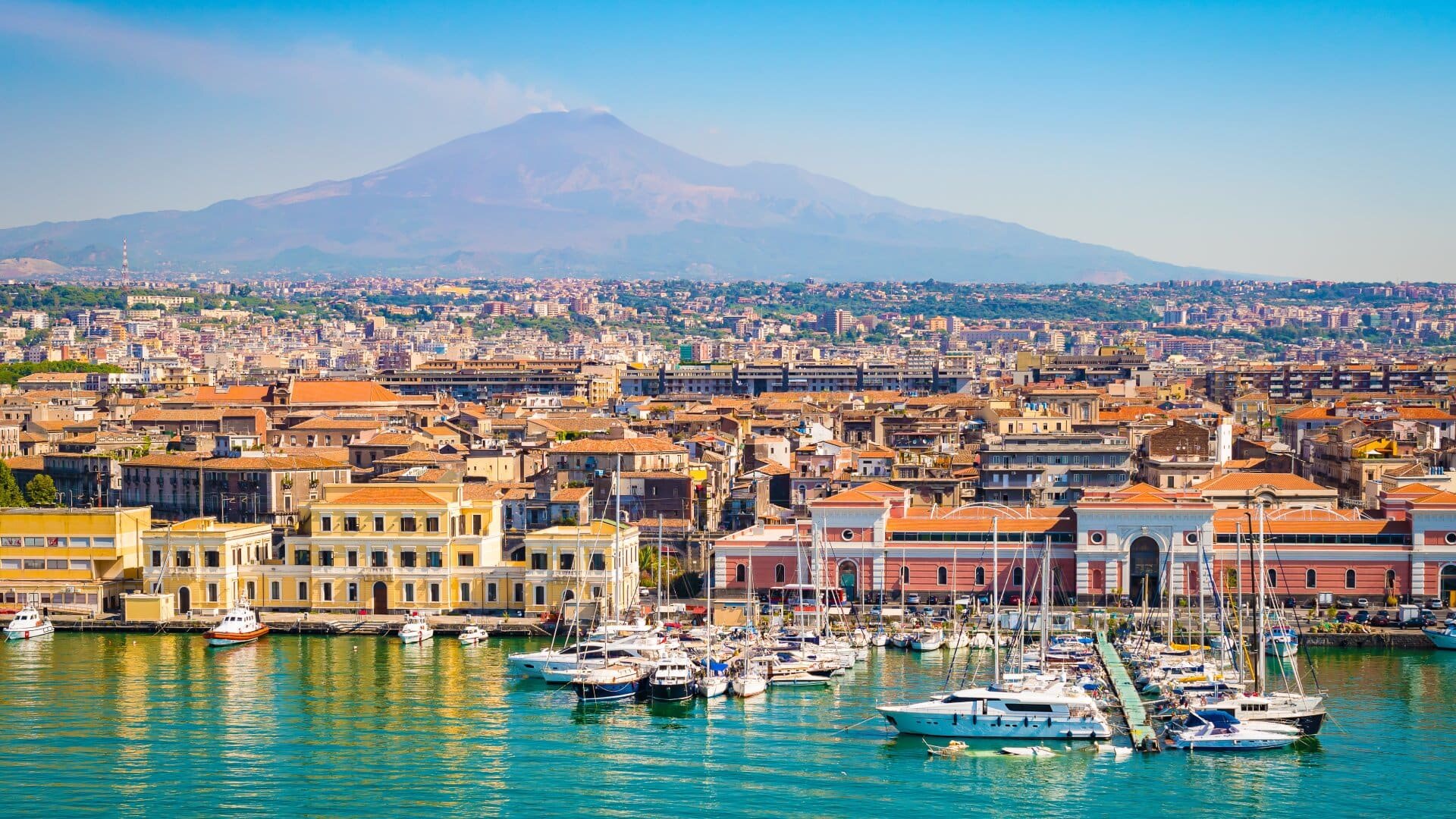
Catania
Founded more than 700 years before the common era, Catania sits at the foot of Mount Etna. Repeatedly devastated by earthquakes, it was rebuilt from the ground up, giving it straight, wide avenues and bustling shopping streets. The fertile volcanic soil also yields excellent produce. Today it is Sicily’s second-largest city, nicknamed the “Milan of the South,” and is known as a city of Baroque art and the birthplace of opera composer Vincenzo Bellini. Under bright sunshine and clear blue skies, the relaxed Mediterranean atmosphere makes visitors slow their steps without realizing it.
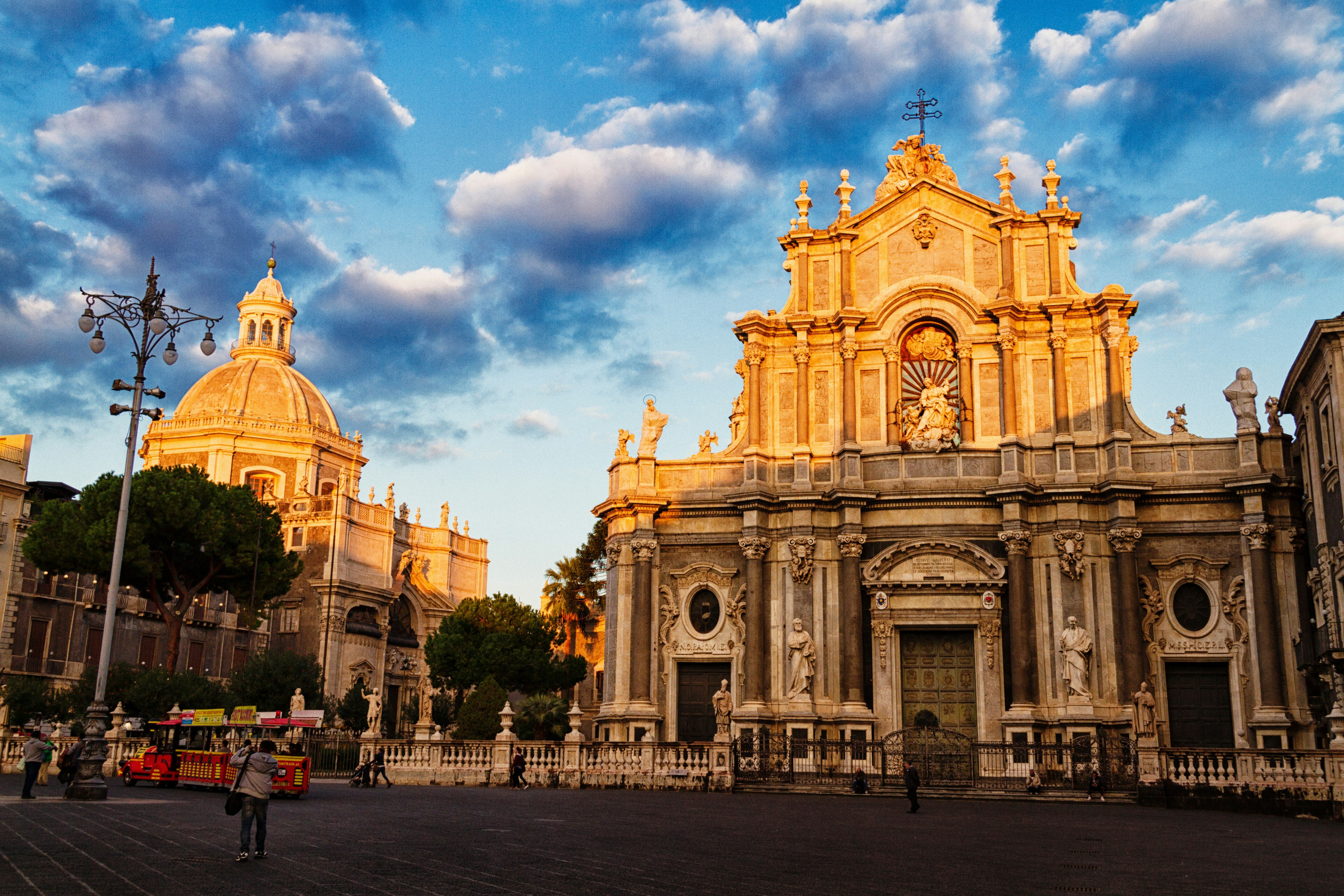
The city is centered on Piazza del Duomo, where three main avenues meet: Via Etnea, Via Giuseppe Garibaldi, and Via Vittorio Emanuele II.
- Catania Cathedral : Dedicated to the city’s patron saint, Sant’Agata. After the post-earthquake reconstruction, its sides and bell tower kept their Norman-era look, while the facade is in the Sicilian Baroque style. It is part of a UNESCO World Heritage Site.
- Elephant Fountain (Fontana dell’Elefante): A black basalt elephant carries an Egyptian obelisk topped with a bronze cross. Its history is said to date back to Roman times.
- Palazzo degli Elefanti: Built in 1696 by architect Giovanni Battista Vaccarini, it now serves as the city hall.
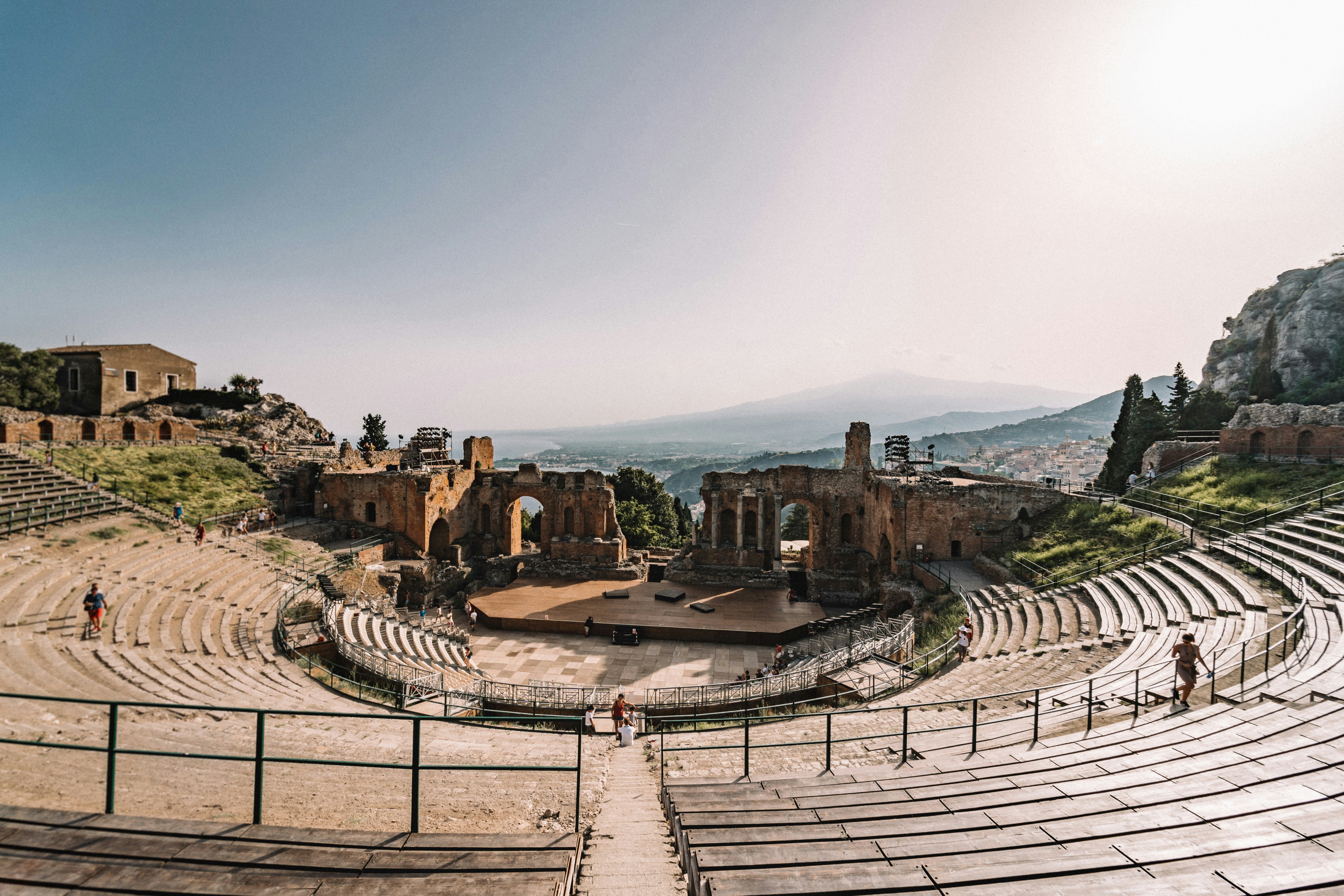
Taormina
About an hour’s drive from Catania, Taormina sits halfway up Mount Tauro, facing the Ionian Sea with Mount Etna at its back. Once a Greek colony and later part of the Roman Empire, it is now a beloved holiday destination for Europeans. The German writer Goethe, in his Italian Journey, described this place as the “end of paradise on earth.” A trip to southern Italy is well worth making in person.
Short-Trip Suggestion: Amalfi → Malta by ferry (approx. 7 hours)
Malta | The Heart of the Mediterranean
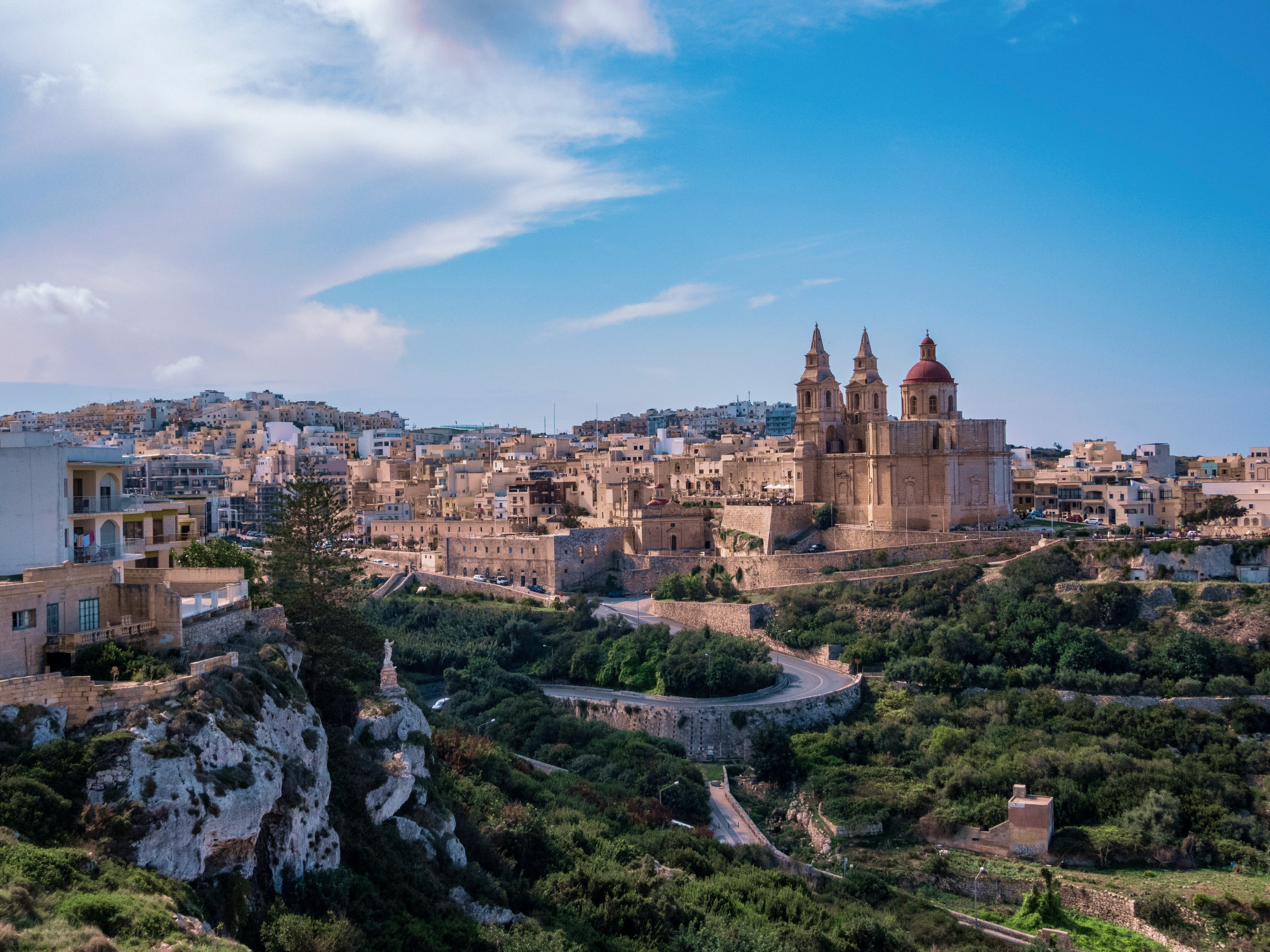
A Mediterranean island nation of five islands, Malta is known as the “Heart of the Mediterranean” and the “Backyard of Europe.” Once ruled by many powers, including Britain, it has fluent English speakers and a food and culture shaped by neighboring Sicily, less than 100 km away.
Malta is famous for its natural scenery and pleasant climate, with sailing, surfing, and diving all in one place. It is also a popular filming location: King’s Landing in Season 1 of Game of Thrones was shot in Mdina, the “Silent City.”
FAQs
Do Italian trains require seat reservations? What happens if there are train delays or maintenance ?
How do I travel from Salerno to Sicily (Catania) ?
Which UNESCO World Heritage Sites are included in this itinerary ?