Hidden Adriatic: 6-Day Istria Itinerary
Discovering the Soul of Istria Through Coffee and Truffles
Price Per Person
Starting at TWD 75,000
Category
A curated 6-day slow travel itinerary for modern explorers. Discover Istria, the "hidden Italy" of Croatia. Featuring specialty coffee in Rovinj, truffle hunting in Motovun, and a deep dive into Zagreb’s urban culture. Experience authentic Mediterranean relaxation and sophisticated local flavors.

Transfers
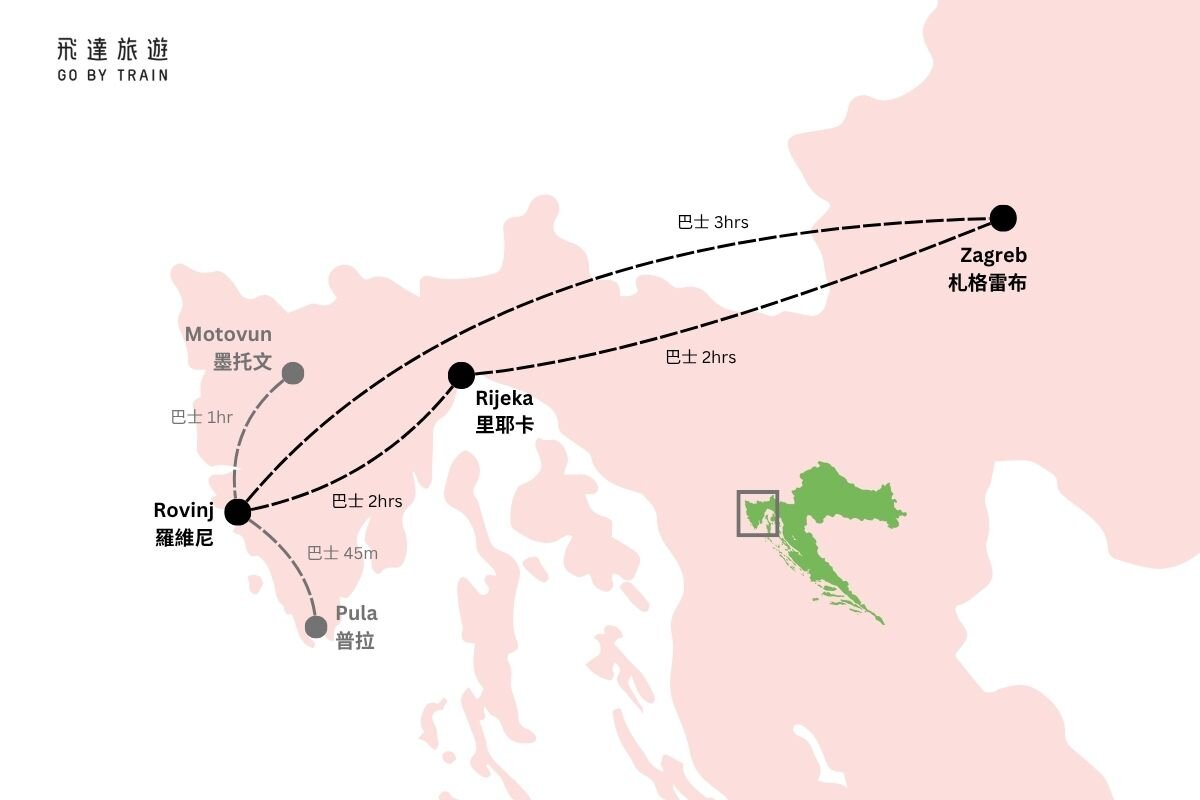
- Bus: Zagreb - Rovinj (3hrs)
- Bus: Rovinj - Rijeka (2hrs)
- Bus: Rijeka - Zagreb (2hrs)
- Bus: Rovinj - Pula (45mins) roundtrip
- Issuing fee

Stay
- Rovinj The Melegran 4 star or The Lone 5 star
- Rijeka Grand Hotel Bonavia 4 star
- Zagreb Met Boutique Hotel 5 star
- Double occupancy and breakfast included

Others
- Istrian Inland: Motovun and Grožnjan half day tour (From Rovinj)
- Travel Accident Insurance
- Overseas Travel Accident Coverage: up to NT$3,000,000
- Accidental Medical Expenses (reimbursement basis): up to NT$1,500,000
- Emergency Assistance: up to NT$1,000,000
(Applicable to flights departing from Taiwan only)
- Travel Liability Insurance
- Personal Accident Coverage: up to NT$5,000,000
- Medical Coverage: up to NT$200,000
(Applicable to flights departing from Taiwan only)
- Travel Inconvenience Insurance
- Standard Plan: Personal Overseas Travel Inconvenience Insurance
(Coverage includes flight delays, baggage delays, etc.)
- Standard Plan: Personal Overseas Travel Inconvenience Insurance
- Europe Data Plan
Trip Rules
- Price: Starting from TWD 75,000+ per person (based on double occupancy).
- Sales Period: 2026.
- Operational Conditions: Subject to actual operating schedules of hotels and buses.
- Peak Season Surcharge: During trade fairs, exhibitions, or peak seasons, hotel rates are subject to change based on actual booking availability.
- Exclusions: The price does not include: passport and visa fees, surcharges for sleeper cabins on trains, city taxes at hotels (payable locally)
Trip Map
Detailed Itinerary
Day 1 Zagreb - Rovinj The Venetian Legacy
Arrive in Rovinj, check in at The Melegran, sunset at Valentino Bar, dinner at Giannino.
Rovinj was under Venetian rule for over 500 years, which explains its striking resemblance to Venice. Originally an island, it was connected to the mainland in the 18th century. The town is famous for its "spongy" Mediterranean vibe, with colorful houses rising straight from the sea and residents who still speak Istriot, a rare local Romance language.
Rovinj
The most romantic jewel of Istria. The old town sits on a small peninsula that was originally an island, with colorful houses lining the waterfront and narrow cobblestone streets winding their way up to the Church of St. Euphemia. Full of Venetian charm, it's a paradise for photographers and those who love sunset views.
Hum
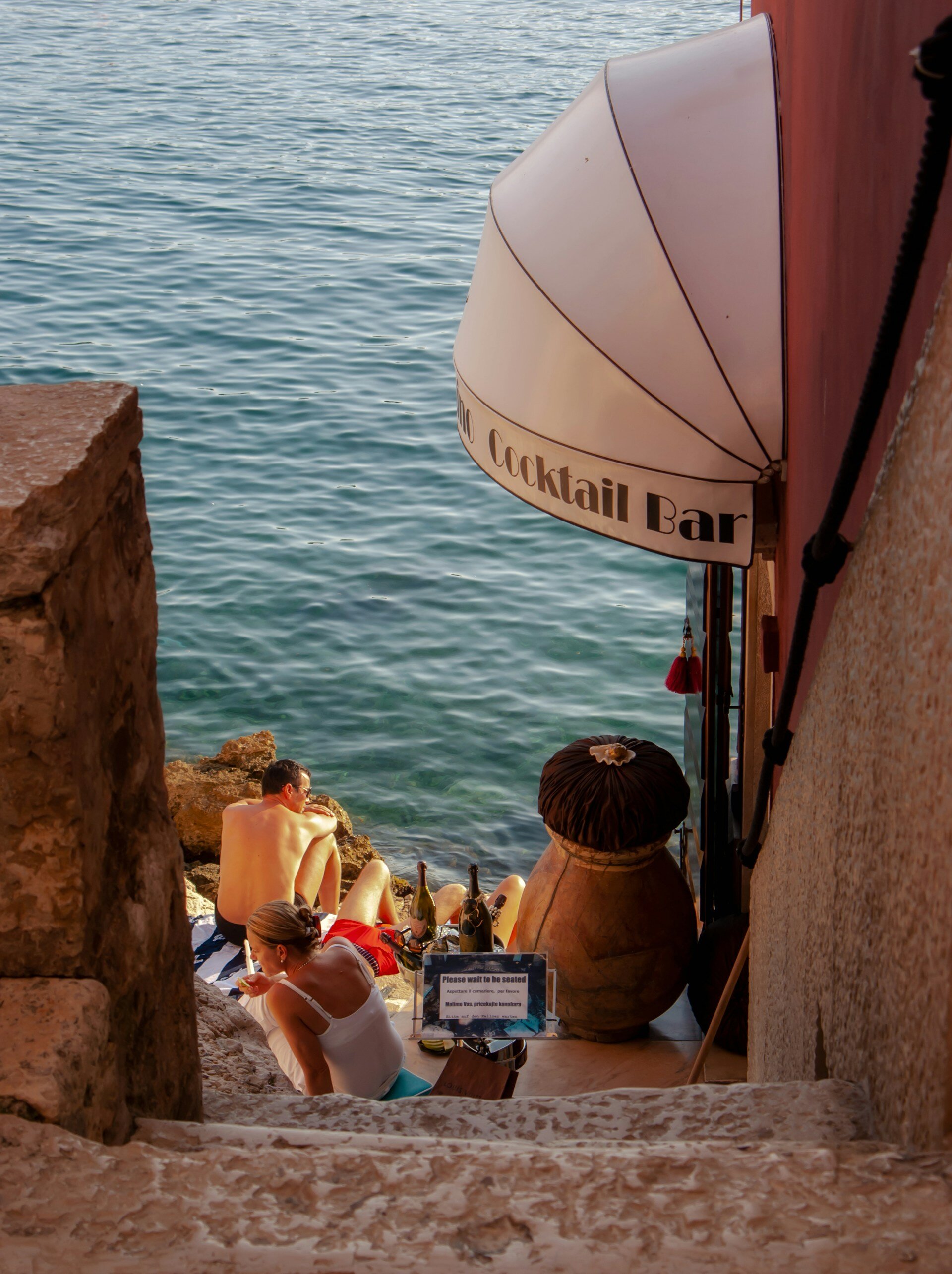
Officially recognized as the "world's smallest town," this hidden inland stone town consists of only two streets and has a very small permanent population. It has perfectly preserved its medieval walls and is the ancient center of the Glagolitic alphabet culture, filled with a tranquil, mysterious, and timeless atmosphere.

Augusto Coffee Shop
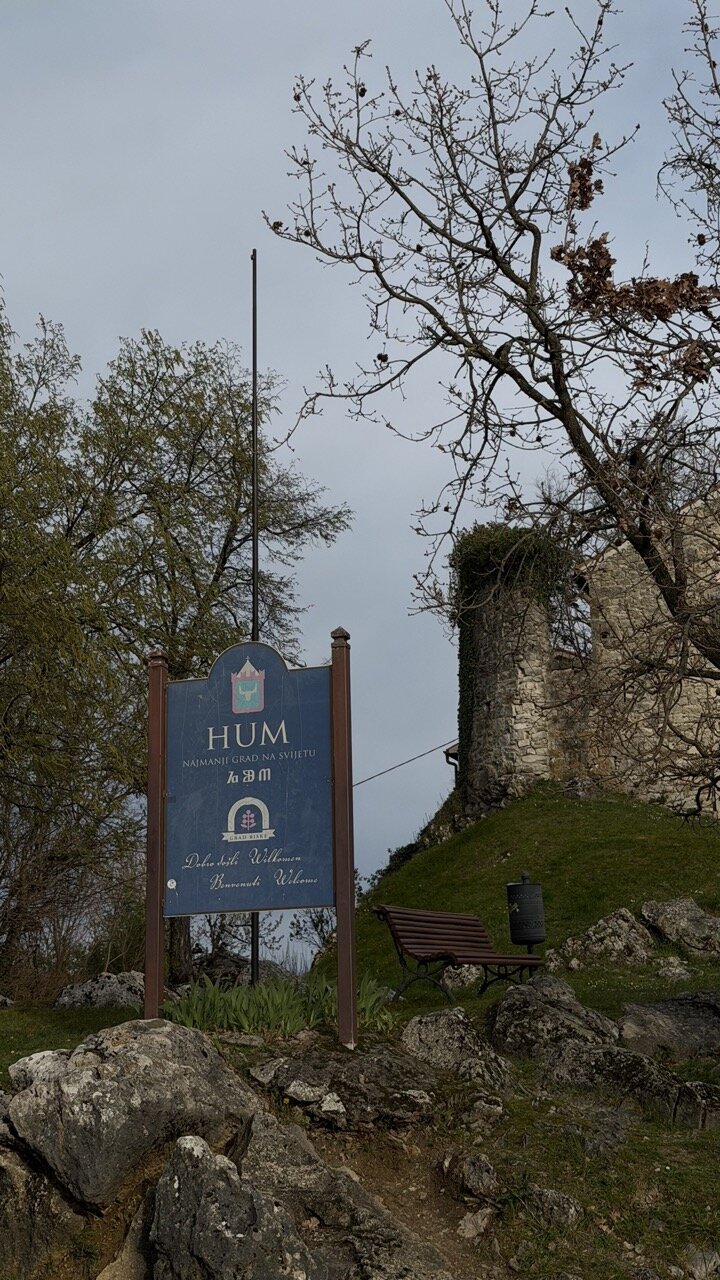
This shop is a representative of Rovinj's specialty coffee. The storefront is unassuming, but the coffee quality is exceptional, making it perfect for a morning visit to enjoy the fusion of Italian soul and modern extraction. Instagram
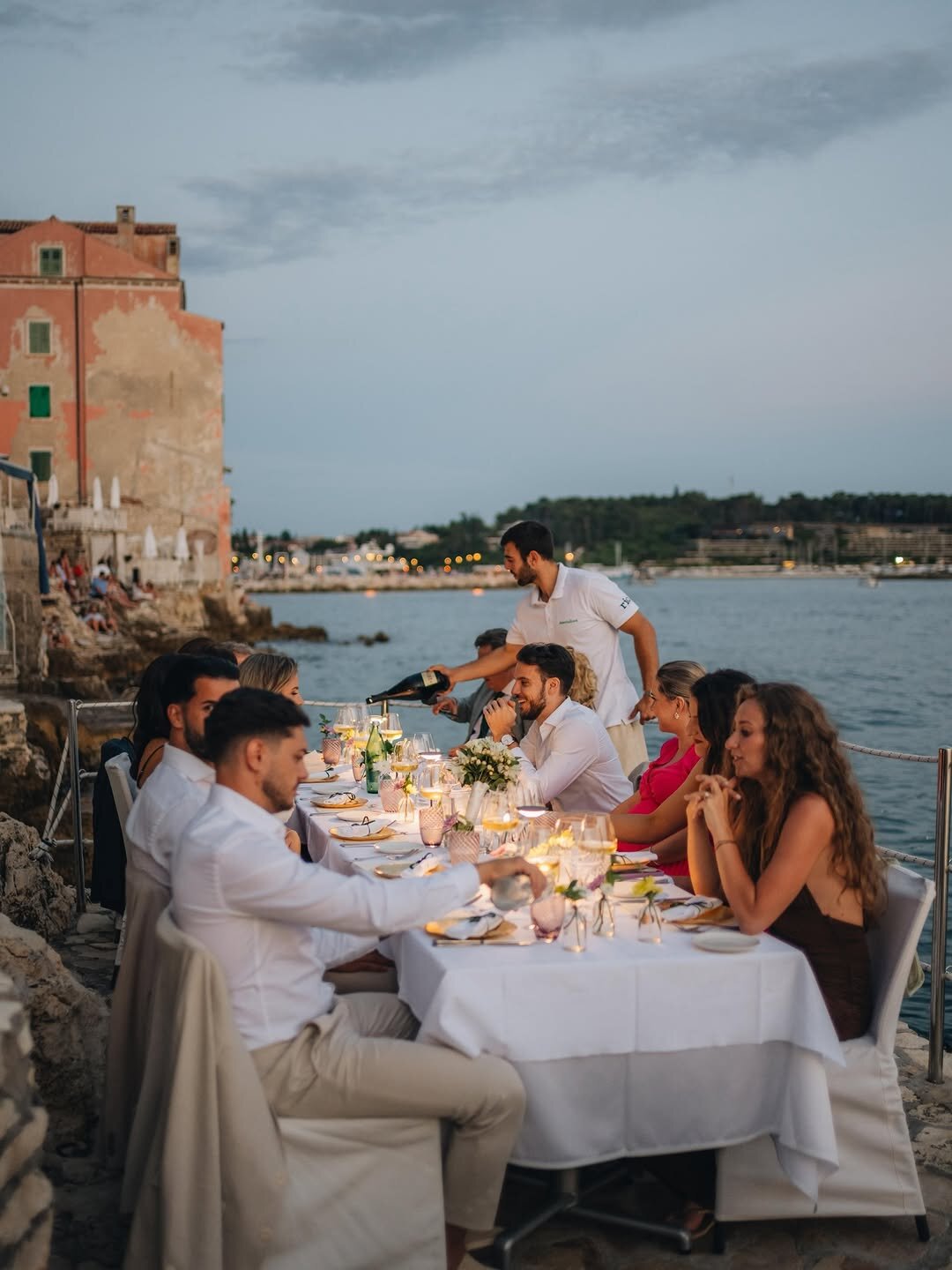
Puntulina Restaurant
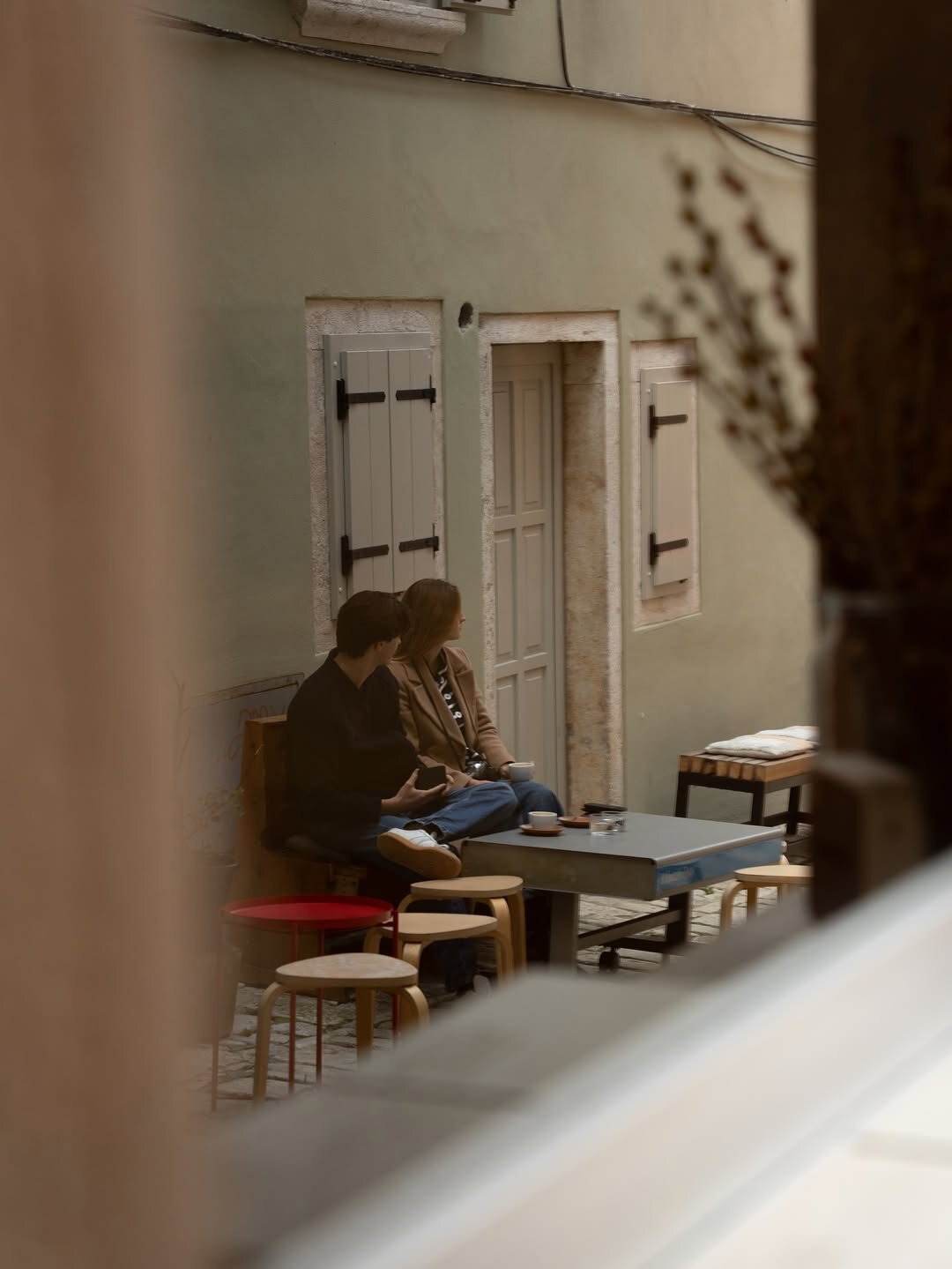
Rovinj's most iconic scenic restaurant. Tables and chairs are placed directly on the rocky shore, allowing you to enjoy fresh seafood while listening to the waves crashing. Although it's a famous restaurant, its atmosphere is definitely worth experiencing. Instagram
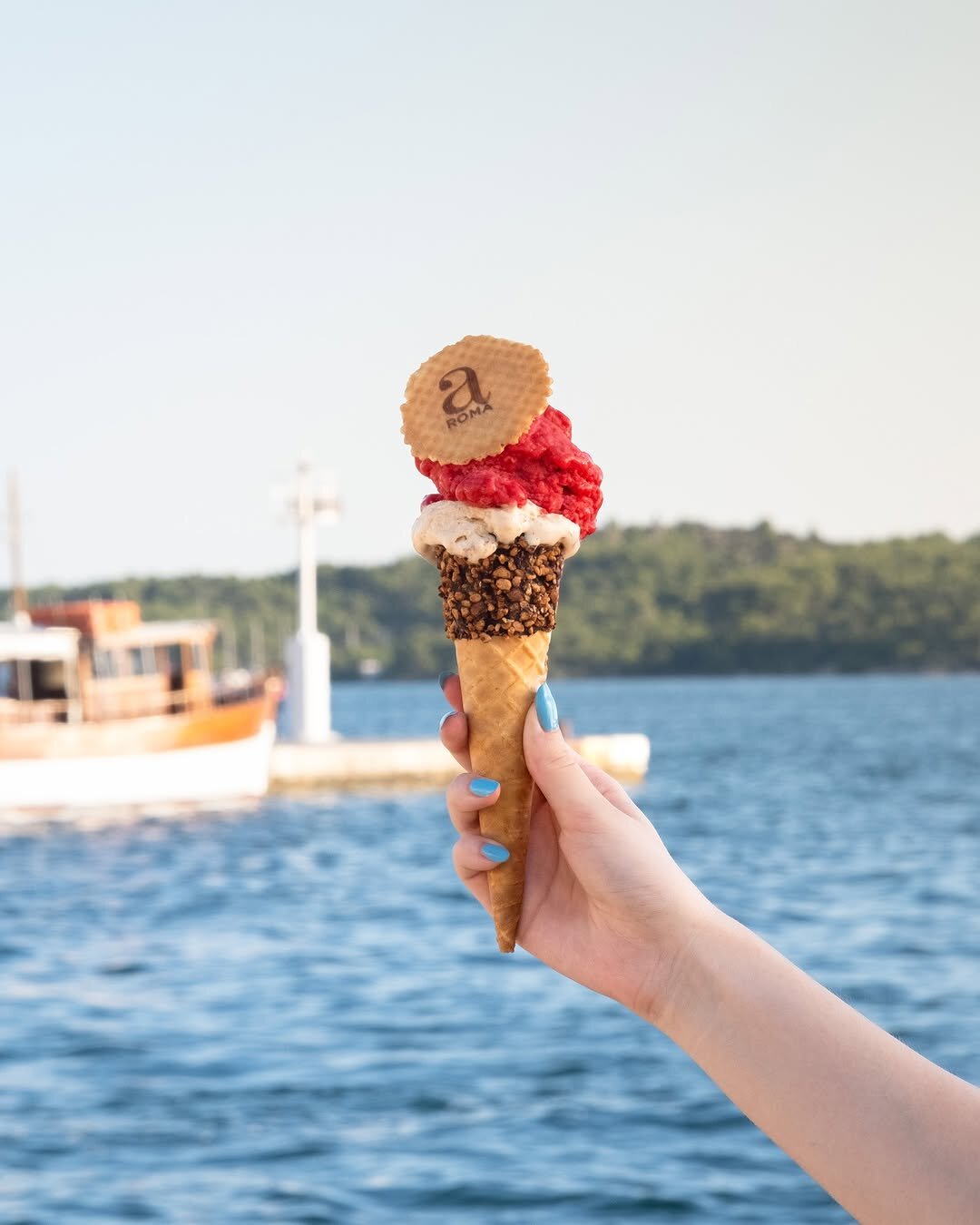
aROMA gelato
This is definitely one of the best Italian gelato shops in Croatia. They insist on using all-natural ingredients, resulting in a silky smooth texture. I highly recommend the pistachio flavor; its richness rivals that of authentic Italian gelato. Instagram
Day 2 Rovinj - Pula Echoes of Ancient Rome
Day trip to Pula Arena, dinner at Puntulina in Rovinj.
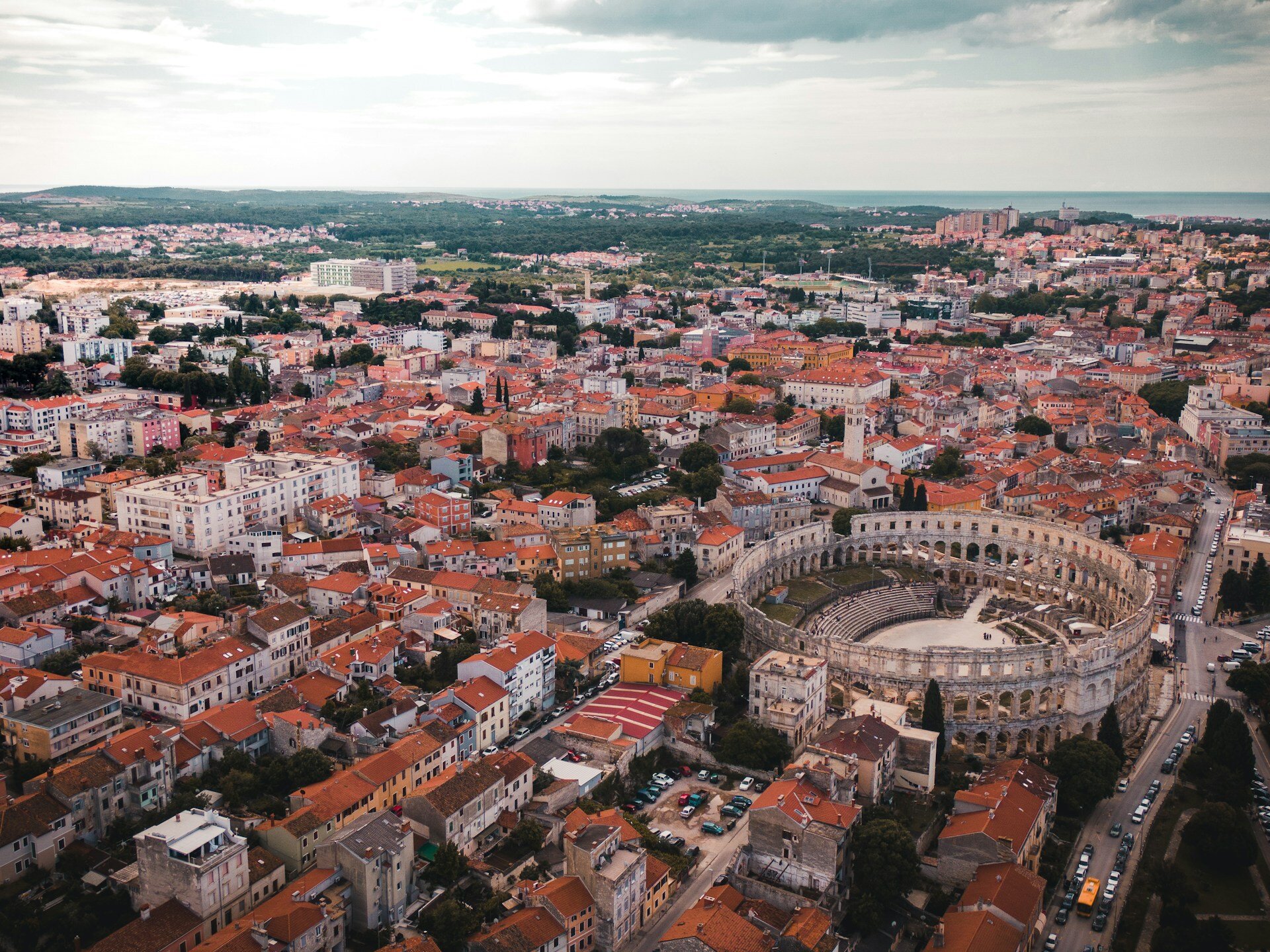
Pula is a living museum. Its crown jewel, the Pula Arena, was built in the 1st century AD and is one of the world's best-preserved Roman amphitheaters. Unlike Rome, Pula offers a more intimate encounter with history—Roman triumphal arches and temples stand casually next to modern-day cafes and local markets.
Pula
The ancient city of Rome boasts a history spanning two thousand years. At its heart stands one of the world's best-preserved Roman amphitheaters, still hosting concerts today. Scattered throughout the city are the Temple of Augustus and the Arc de Triomphe, showcasing the former glory of the ancient Roman Empire on the eastern shore of the Adriatic Sea.
Day 3 Motovun & Grožnjan Green Istria & Truffle Kingdom
Half-day tour to hilltop towns for a truffle-focused culinary experience.
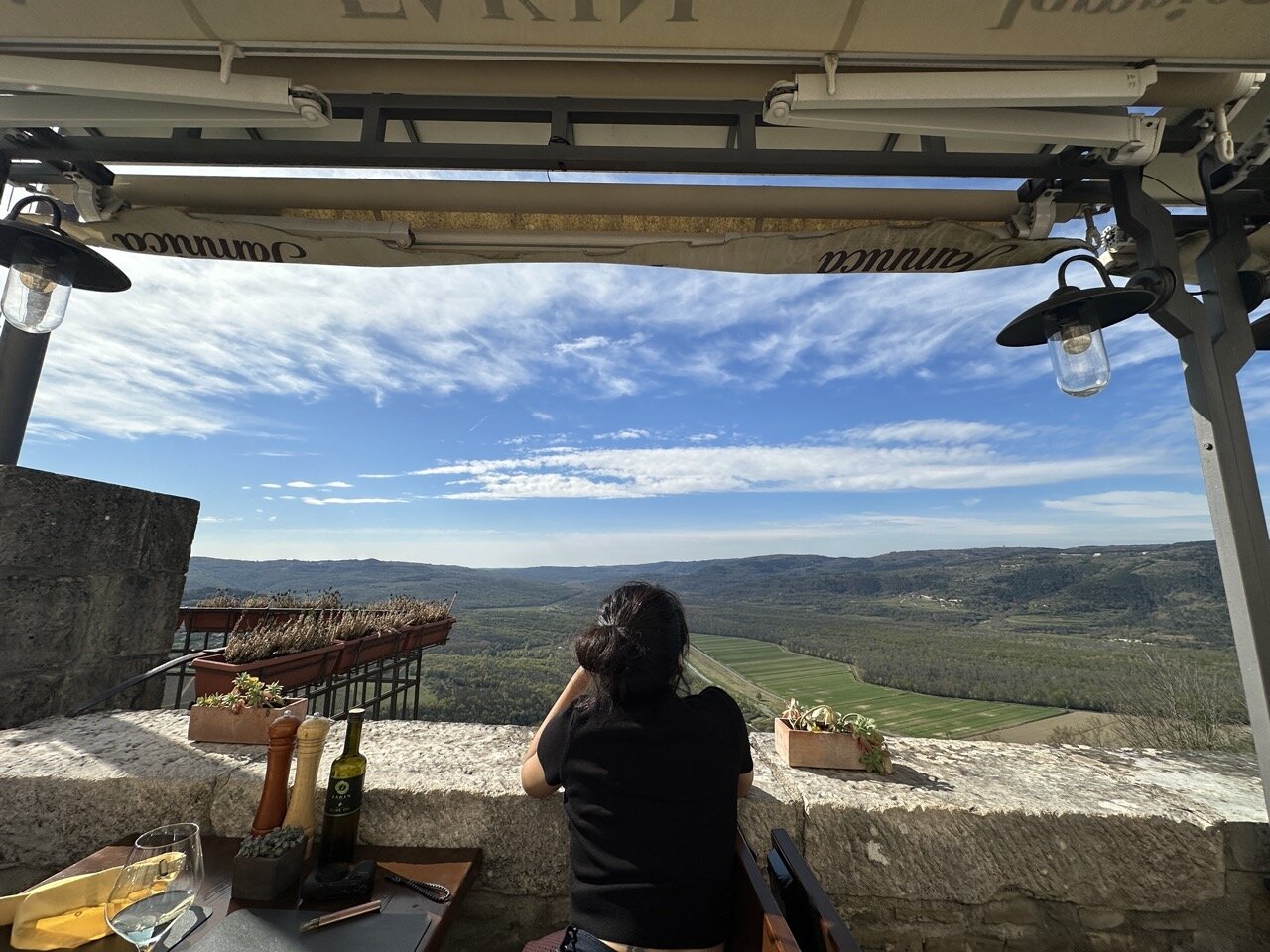
Known as "Croatia’s Tuscany," inland Istria is a landscape of rolling hills. Motovun is a medieval fortress perched atop a hill, overlooking the Mirna Valley—the world’s prime source for white truffles. Grožnjan, once nearly abandoned, was revitalized in the 1960s by artists, transforming the entire stone village into a vibrant hub of music and galleries.
Travel up the coast of the Istrian peninsula and visit three other Croatian towns during this half-day tour. Along with your guide and small group of seven or fewer, stop in Rovinj for a guided walking tour around the Old Town. Then it’s on to Bale, once the hideout of the infamous Casanova, as well as Vodnjan, home to the UNESCO-listed Kazuna Park before heading back to Pula.Discover Old Town Rovinj on a half-day tour from Pula Visit the towns of Bale and Vodnjan along the way.
Motovun
A fortified town perched atop a mountain overlooks the truffle-rich Mirna River Valley. This misty mountain town is renowned for its summer film festival and top-quality white truffles. Walking along the ancient city walls offers panoramic views of the Tuscan-like hills of the Istrian inland region.
Day 4 Rovinj - Rijeka Austro-Hungarian Grandeur
Transfer to Rijeka, stay at Grand Hotel Bonavia, gelato at aROMA, and dinner at Boonker.
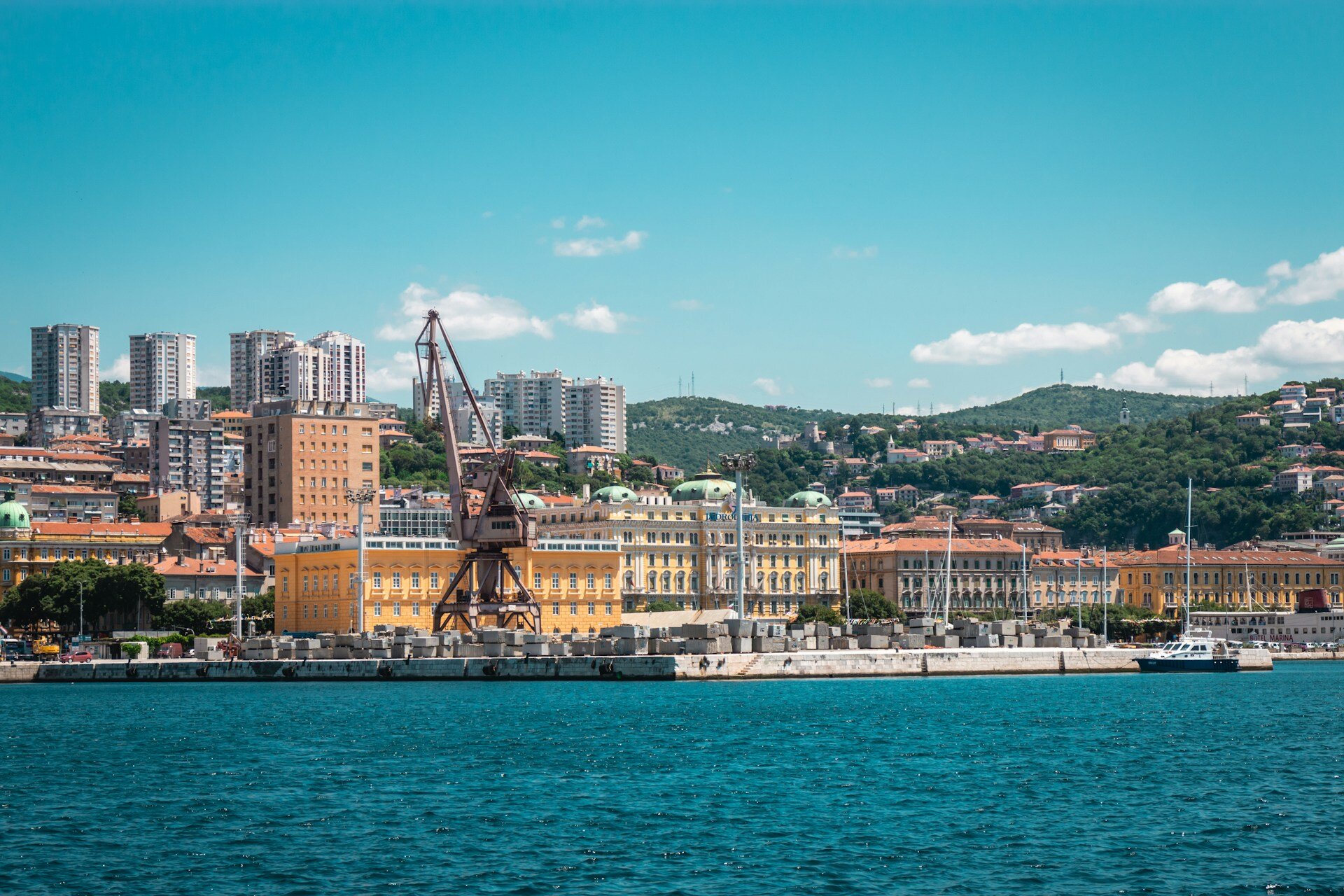
Rijeka served as the main port for the Kingdom of Hungary, resulting in grand Habsburg-style architecture that contrasts with Istria's Italian feel. As the birthplace of the modern torpedo, Rijeka has a gritty, industrial-chic soul. It’s a city of sailors and rock-and-roll, offering a more authentic, less touristy look at Croatian life.
Rijeka
Tresat, Croatia's most important port city, blends industrial heritage with the magnificent architecture of the Hrvatska dynasty. It serves as the gateway to Istria and boasts the spectacular Tresat Castle, offering breathtaking views of the entire Kvanel Bay and its bustling port.
Day 5 Rijeka - Zagreb Underground History
Return to Zagreb, stay at Met Boutique Hotel, walk through Tunel Grič, evening drinks at Bunt bar.
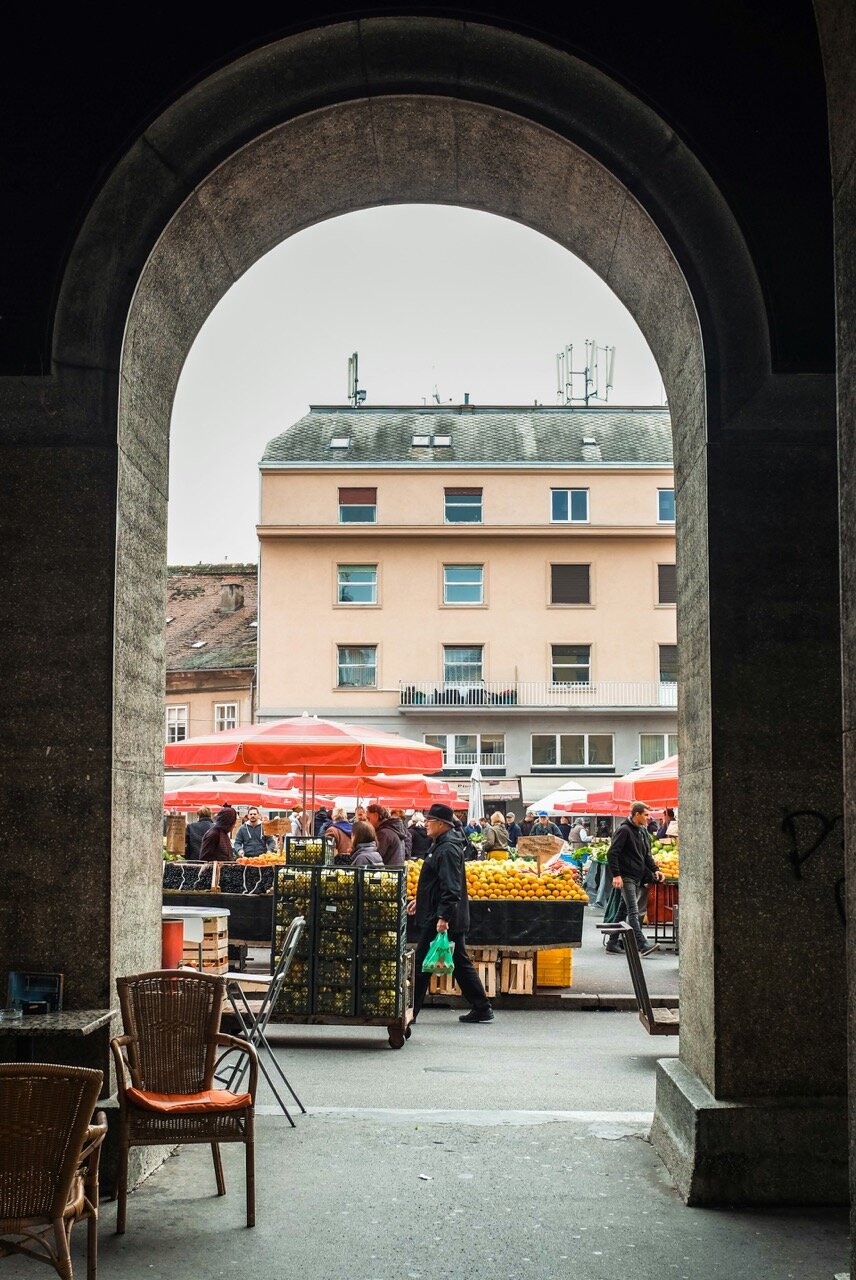
Zagreb is the heart of Central European charm. The Tunel Grič, built during WWII as a bomb shelter, now serves as a cool pedestrian passage and event space. The city is obsessed with "Špica"—the ritual of dressing up and drinking coffee for hours—which has evolved into a world-class specialty coffee scene led by roasters like Cogito.
Zagreb
Zagreb blends Austro-Hungarian elegance with a thriving specialty coffee scene. Wander beneath the iconic tiled roofs of Upper Town or explore the emotive Museum of Broken Relationships. It’s a city defined by slow living and soulful urban charm.
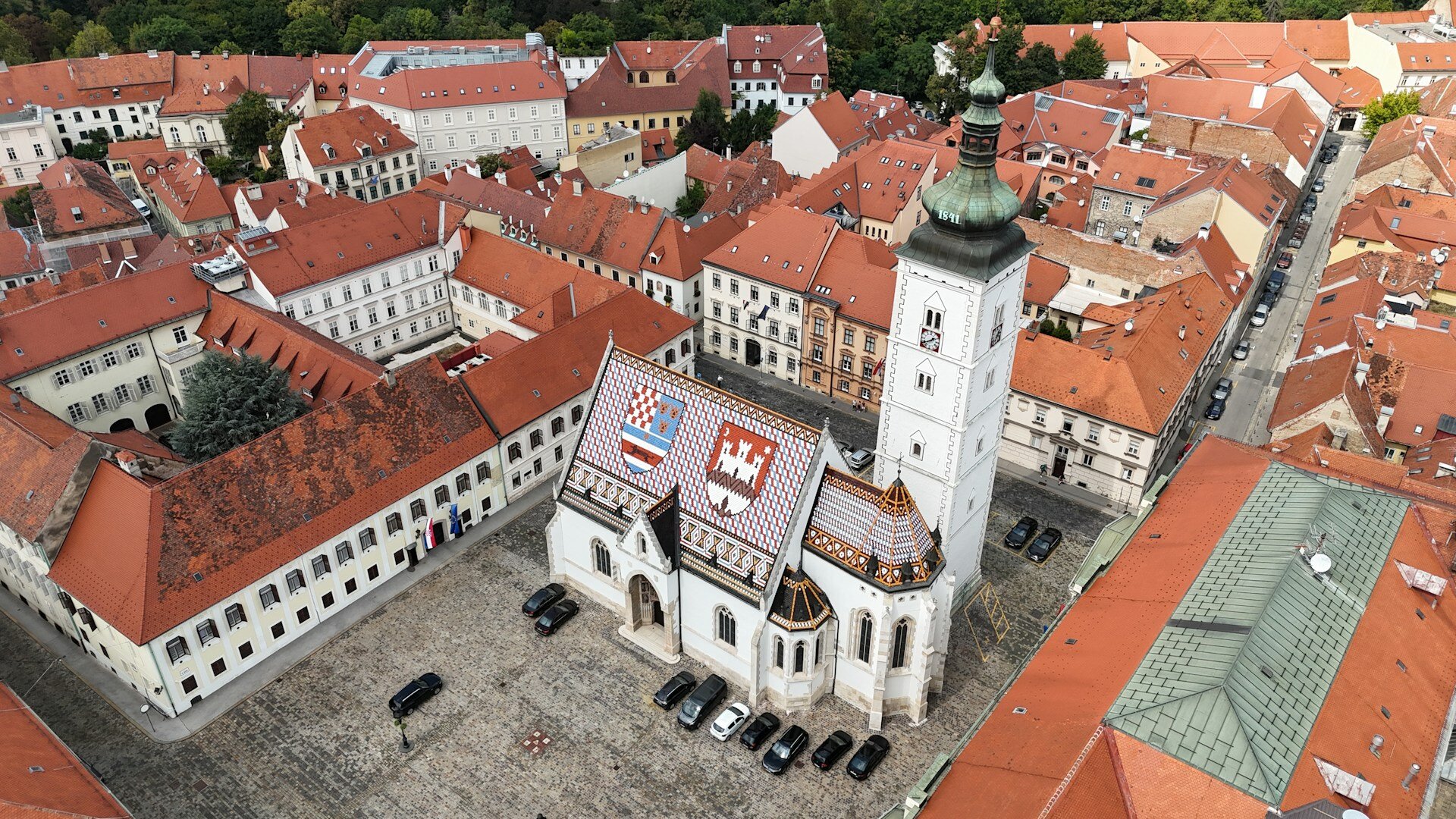
Zagreb St. Mark’s Church
St. Mark's Church is Zagreb's most iconic landmark, dating back to the 13th century. It is world-renowned for its vibrant 19th-century tiled roof, featuring the medieval coats of arms of the Triune Kingdom of Croatia on the left and the city of Zagreb on the right. Blending Romanesque and Gothic styles, the church stands as a colorful symbol of the city’s profound historical identity and spiritual heritage.
Day 6: Zagreb | Human Emotions & Urban Culture
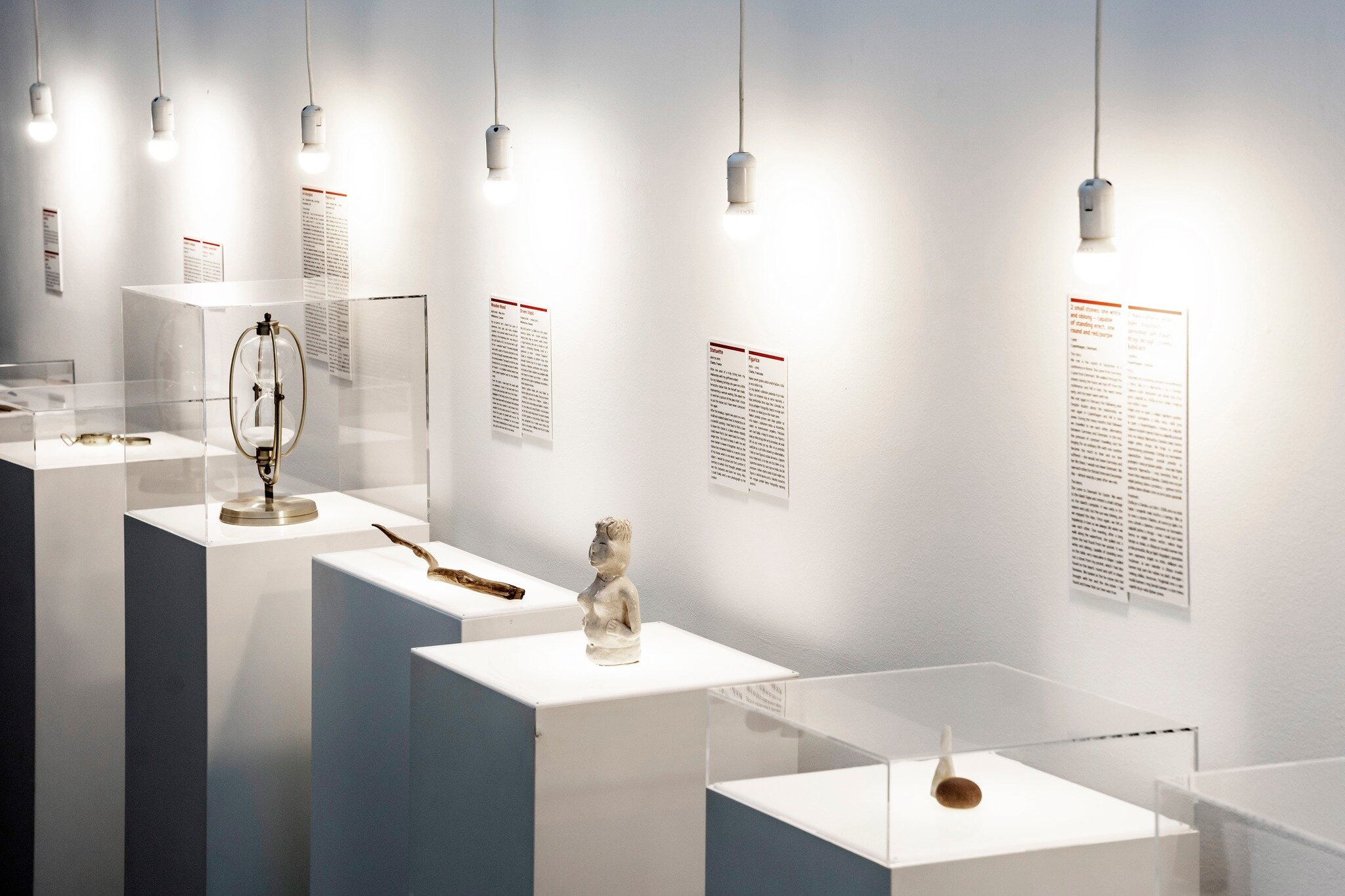
Visit the Museum of Broken Relationships, coffee hopping at Quahwa and Luta.
Located in the Upper Town, the Museum of Broken Relationships reflects the Croatian spirit of melancholy mixed with wit. Spend your final hours exploring the historic districts of Gradec and Kaptol, admiring the iconic tiled roof of St. Mark’s Church, and soaking in the intellectual atmosphere of Croatia's capital.
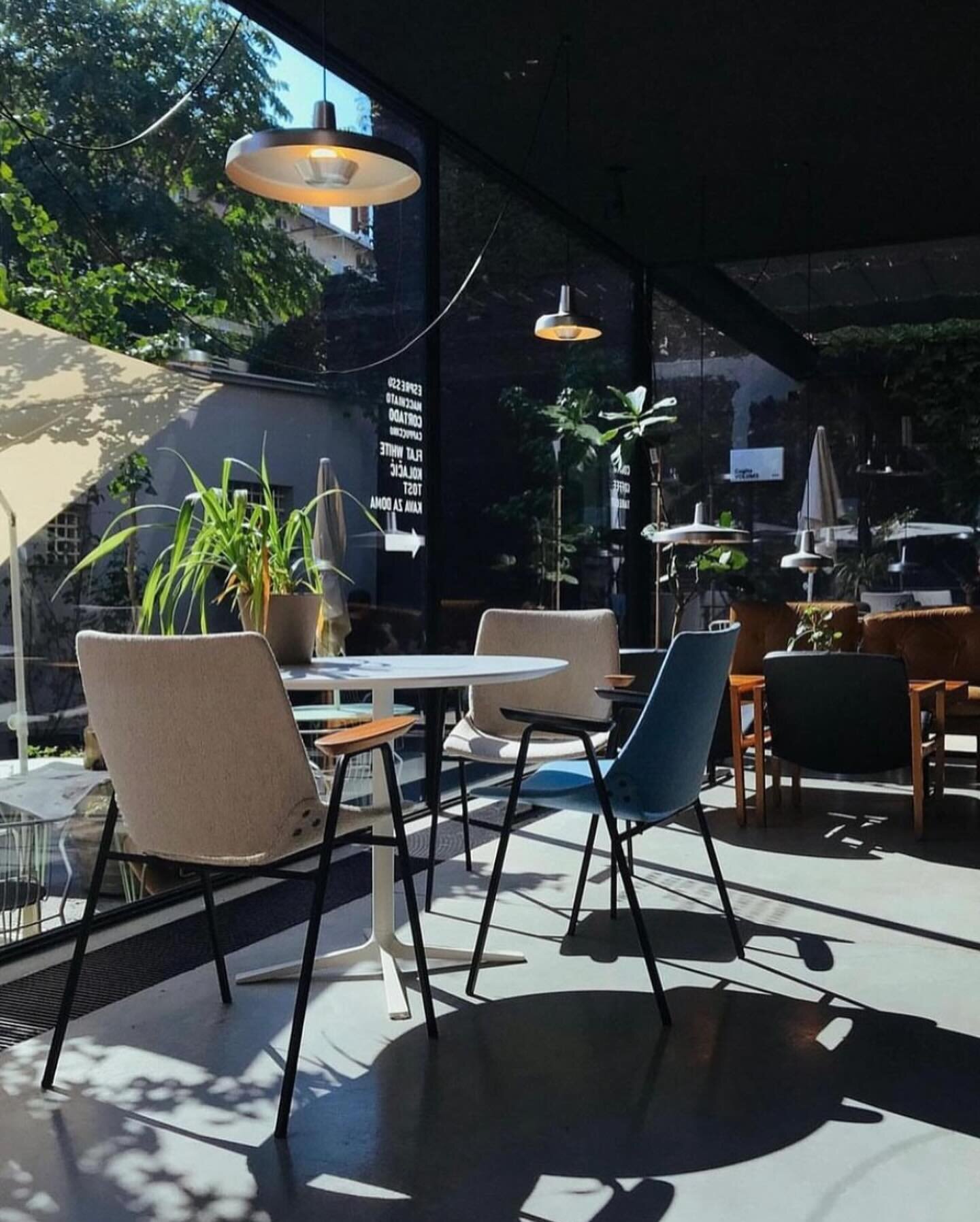
Cogito Coffee
Tucked away in a lush, green courtyard, Cogito Coffee is a pioneer of Zagreb’s specialty coffee wave. Driven by a passion for bean origin and quality, it offers a serene escape for travelers to find peace and focus on the purity of their brew. Map
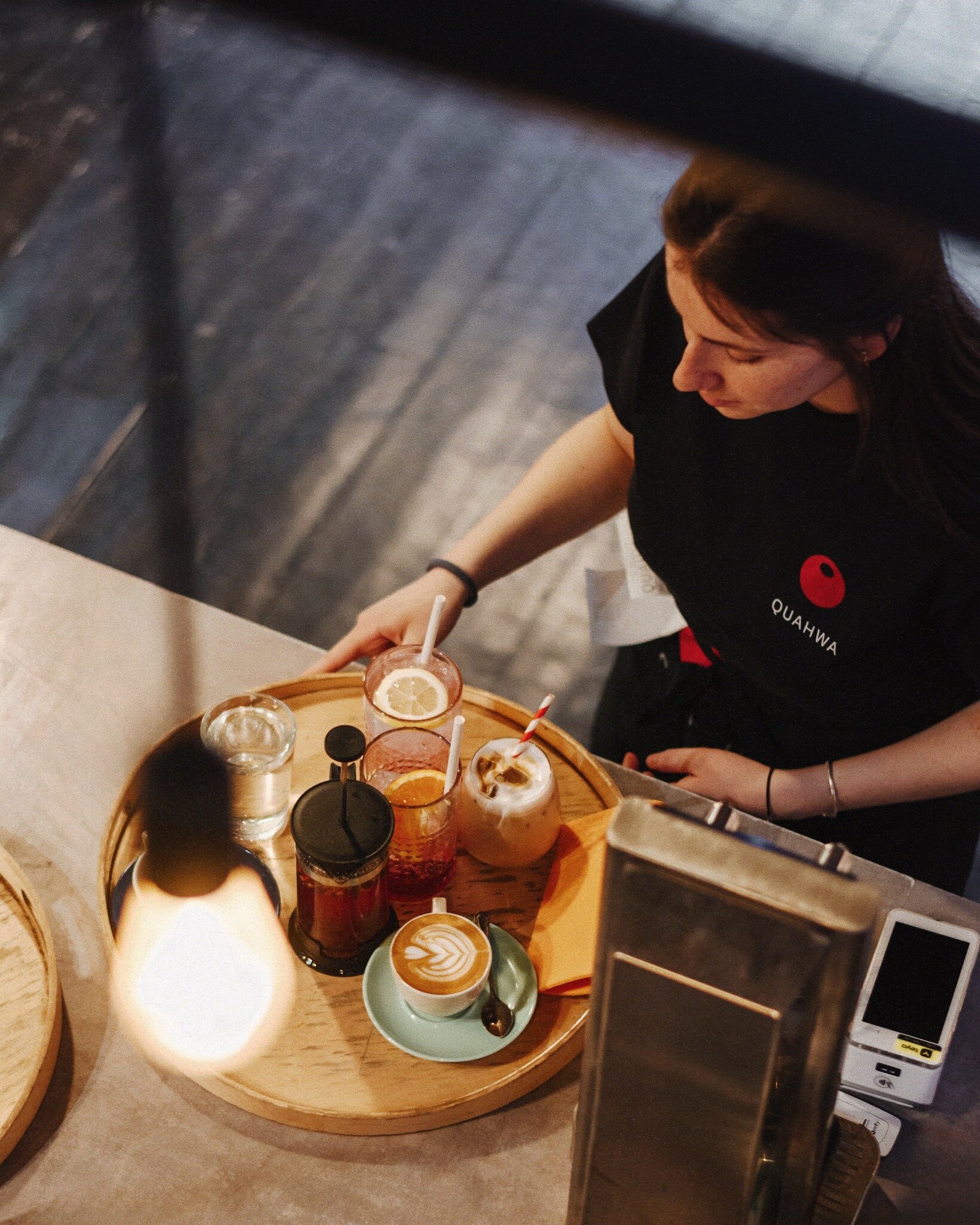
Quahwa
Quahwa feels like a dedicated coffee laboratory. Known for roasting their beans on-site, the rich aroma often spills out into the neighboring streets. Inside, you’ll witness a craftsman’s rigor, offering a multi-layered coffee experience full of character and vitality. Map
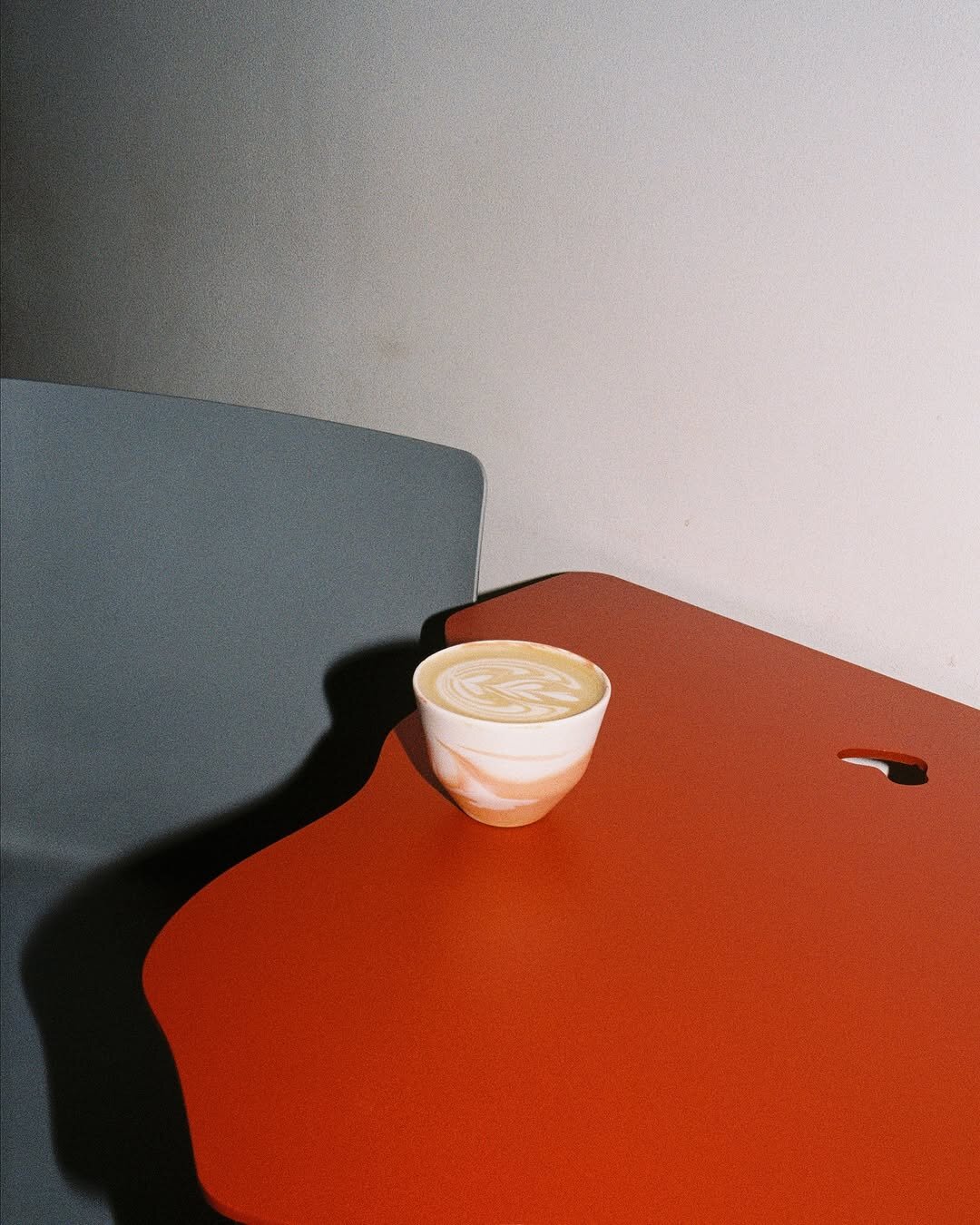
Luta Specialty Coffee Shop
Luta embodies a minimalist and modern aesthetic of slow living. With its crisp design and sophisticated vibe, it is more than just a café—it’s a space for mindful living. It perfectly captures Zagreb’s unhurried yet high-quality lifestyle. Map
Accommodation Guide
Zagreb
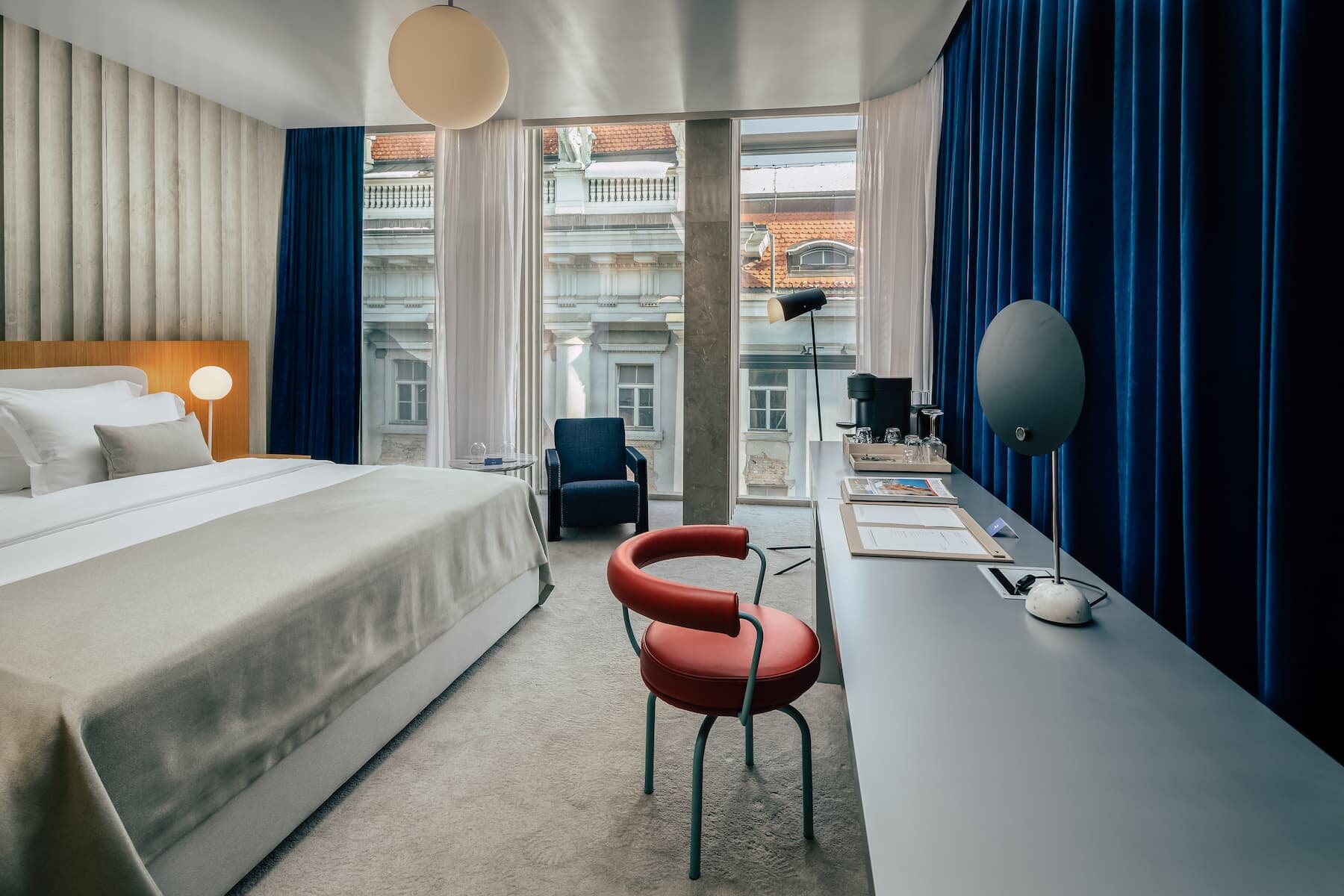
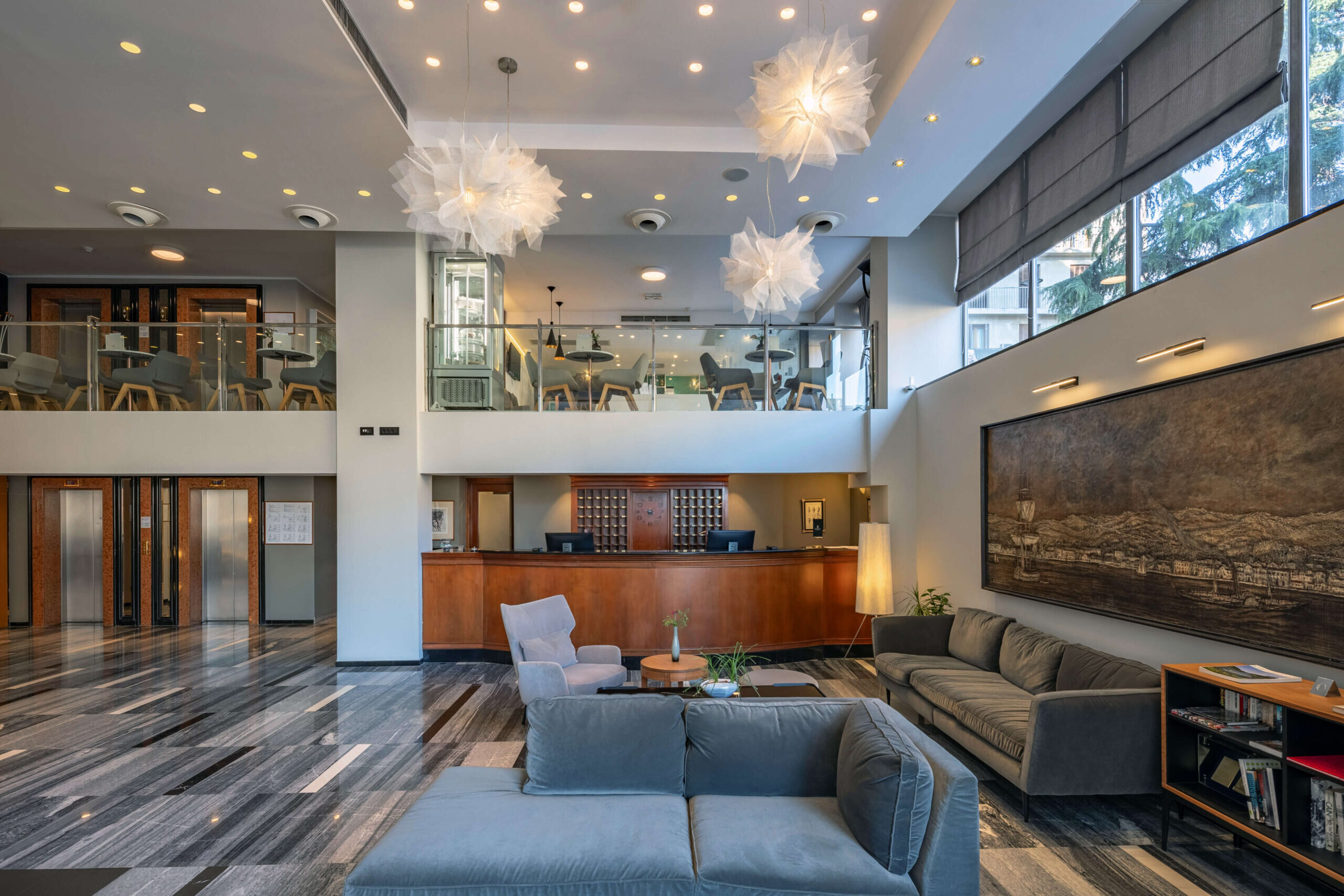
Zagreb Met Boutique Hotel
Located in the beating heart of the capital, Met Boutique showcases the pinnacle of contemporary sophisticated living. Its modern spatial design, paired with curated artworks, creates an atmosphere that is both stylish and grand. It perfectly aligns with Zagreb’s specialty coffee wave and urban rhythm, offering a luxurious retreat after a day of exploration.
Rijeka
Rijeka Grand Hotel Bonavia
Boasting over 140 years of history, this hotel is a symbol of Rijeka's elegant past. Having hosted countless celebrities, it exudes the grandeur of the Habsburg era. Its prime location offers stunning harbor views and timeless, high-quality service, serving as a classic base for exploring this industrial-chic city.
Rovinj
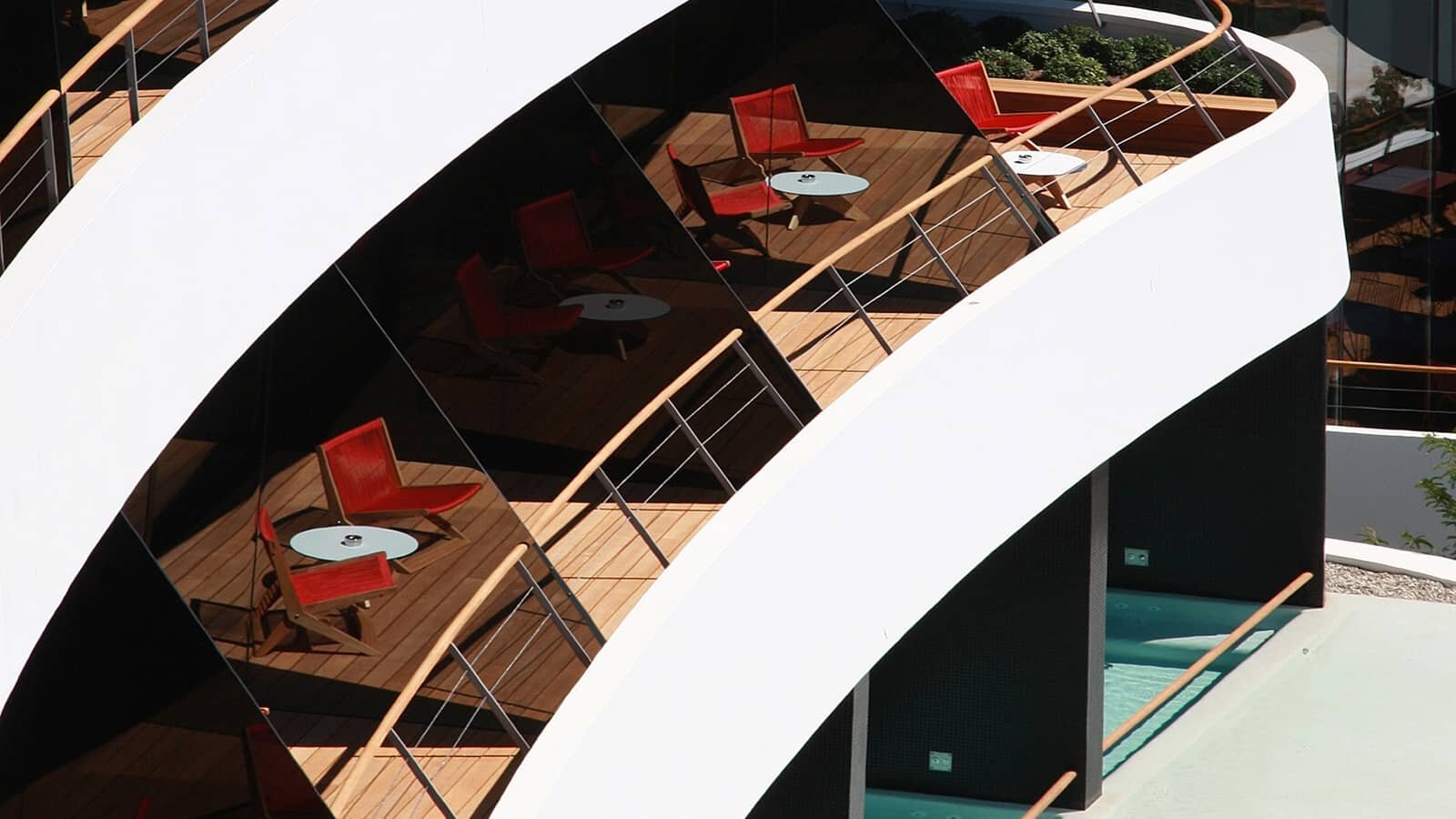
Rovinj The Lone Hotel
As Croatia’s first design hotel, its exterior resembles a sleek white cruise ship docked in a forest. The interior is a masterpiece of modern minimalism and fluid lines. Nestled next to a forest park and the sea, it offers world-class SPA facilities, making it a sanctuary for those craving understated luxury and architectural beauty.
Pre-Departure Tips
1. What to Eat
In Istria, indulge in truffle Fu?i (pasta) and fresh Adriatic seafood. Don't miss the world-class olive oil and local Malvazija white wine. In Zagreb, ?trukli (cheesy pastry) is a must-try local comfort food.
2. Modern History
Croatia was formerly part of Yugoslavia. The War of Independence in the 1990s is a profound part of local memory. While the country is now safe and modern, always approach historical discussions with respect and empathy.
3. Religion & Architecture
Predominantly Catholic. Maintain silence and dress modestly when entering churches. You will see a blend of Venetian bell towers in Istria and Austro-Hungarian grandeur in Zagreb.
4. Language & Etiquette
Croatian is the official language. Italian is common in Istria, and English is widely spoken in cities. Croatians value their coffee culture as a vital social ritual. A simple "Dobar dan" (Good day) when entering shops is highly appreciated.
5. Practical Tips
Currency: Euro (€). Safety: One of the safest countries in Europe. Tipping: Around 10% in restaurants is standard, or rounding up the bill.