Balkan Hidden Gems: Two Countries, 6 Nights
A Slow Journey Between Mountains and Seas
Price Per Person
Starting at TWD 82,000
Category
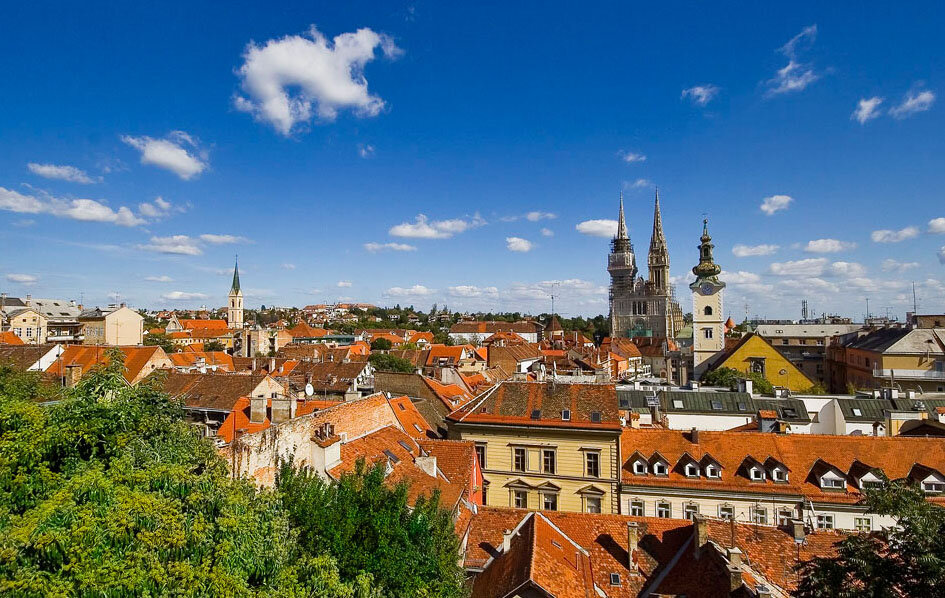
Upon arriving in Zagreb, the capital of Croatia, we begin our city tour in the Upper Town, starting with the cathedral, the largest religious building in the country. Its two towering spires can be seen from almost every corner of the city. The current Neo-Gothic cathedral was rebuilt after a major earthquake in 1880. Inside, it is richly adorned and houses important artifacts dating back to the 11th century. Passing through the open-air market, we reach the Stone Gate, protected by the Virgin Mary, which enshrines an image of the Madonna and Child. Legend has it that a fire in 1731 destroyed much of the old town, but the Stone Gate, along with the Madonna painting, remained untouched. Ever since, it has become a place of continuous devotion. Passing through the gate, we arrive at St. Mark’s Church, renowned for its beautiful mosaic-tiled roof. The mosaic pattern symbolizes the unity of the country’s three major ethnic groups. In a city of red-tiled rooftops typical of Eastern Europe, the church’s distinctive roof leaves a lasting impression.

Transportation
- Ticketing Fee for Point-to-Point Service (Ljubljana – Zagreb)
- Issuance Fee for Tickets (Ljubljana – Zagreb Route)

Hotel
- Ljubljana – 2 Nights Accommodation
- Zagreb – 2 Nights Accommodation
- Split – 2 Nights Accommodation

Day Trip
- Lake Bled / Lesce-Bled
- Plitvice Lakes National Park (Private Car/Private Transfer)

Others
- Travel Insurance:
- NT$3,000,000 Overseas Travel Accident Insurance
- NT$1,500,000 Accidental Medical Reimbursement (actual expenses)
- NT$1,000,000 Emergency Assistance (valid for flights departing from Taiwan)
- Travel Liability Insurance:
- NT$5,000,000 Accidental Liability
- NT$200,000 Medical Coverage (valid for flights departing from Taiwan)
- Trip Inconvenience Insurance:
- Standard Plan: Chubb Personal Overseas Travel Inconvenience Insurance (covers flight/baggage delays, etc.)
- Optional Upgrade: Supreme Plan (additional cost)
- Europe Internet Plan
- Travel Accessories / Essentials
Trip Rules
- TWD 82,000+ per person (based on double occupancy)
- Valid for travel in 2026
- Sales period is subject to hotel and train availability.
- Hotel rates may vary during peak seasons or special events; prices will be based on the actual booking rate at the time of reservation.
- Prices do not include international airfare, passport and visa fees, train sleeper surcharges, or hotel city taxes.
Detailed Itinerary
Day 1~2 : Ljubljana / 2 nights in Ljubljana
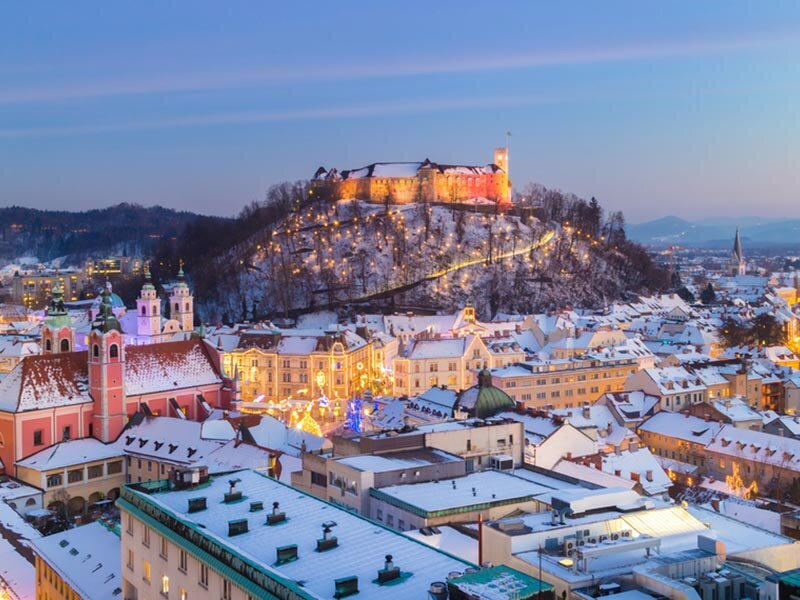
Ljubljana, the capital of Slovenia, sits at the crossroads of Germanic, Latin, and Slavic worlds. Long considering itself a cultural hub of Central Europe, it also serves as Slovenia’s political, economic, and cultural center. In the Old Town, we will visit Prešeren Square and the elegant pink Franciscan Church, built in 1660. The statue of the romantic poet France Prešeren stands on the square, gazing toward his muse. The famous Triple Bridge is located right beside the square; to the east lies the Old Town, home to landmarks such as the Town Hall, the Three Rivers Fountain, Town Square, and the Baroque-style St. Nicholas Cathedral. Additionally, the Love Lock Bridge, completed in 2010, has become a must-visit spot for couples to pledge their everlasting love.
Day 3–4: Ljubljana – Train – Zagreb / 2 Nights in Zagreb
Arriving in Zagreb, the capital of Croatia, we begin our city tour from the Upper Town Cathedral, the largest religious building in the country. Its twin spires are visible from many corners of the city.
The current Neo-Gothic structure was rebuilt after the 1880 earthquake and boasts a richly decorated interior, preserving important relics dating back to the 11th century. Passing through the open-air market, we reach the Stone Gate, protected by the Virgin Mary, where a revered painting of the Madonna and Child is enshrined.
Legend has it that a great fire in 1731 destroyed much of the Old Town, yet the Stone Gate remained unharmed thanks to the Madonna painting, and it has since become a place of devotion. Beyond the Stone Gate lies the world-famous St. Mark’s Church, known for its beautifully tiled mosaic roof. The roof’s mosaic pattern symbolizes the union of the country’s three main ethnic groups. Amidst a cityscape of red-tiled roofs, the church’s distinctive roof leaves a lasting impression on visitors.
[Exclusive Offer] Plitvice Lakes National Park One-Day Tour
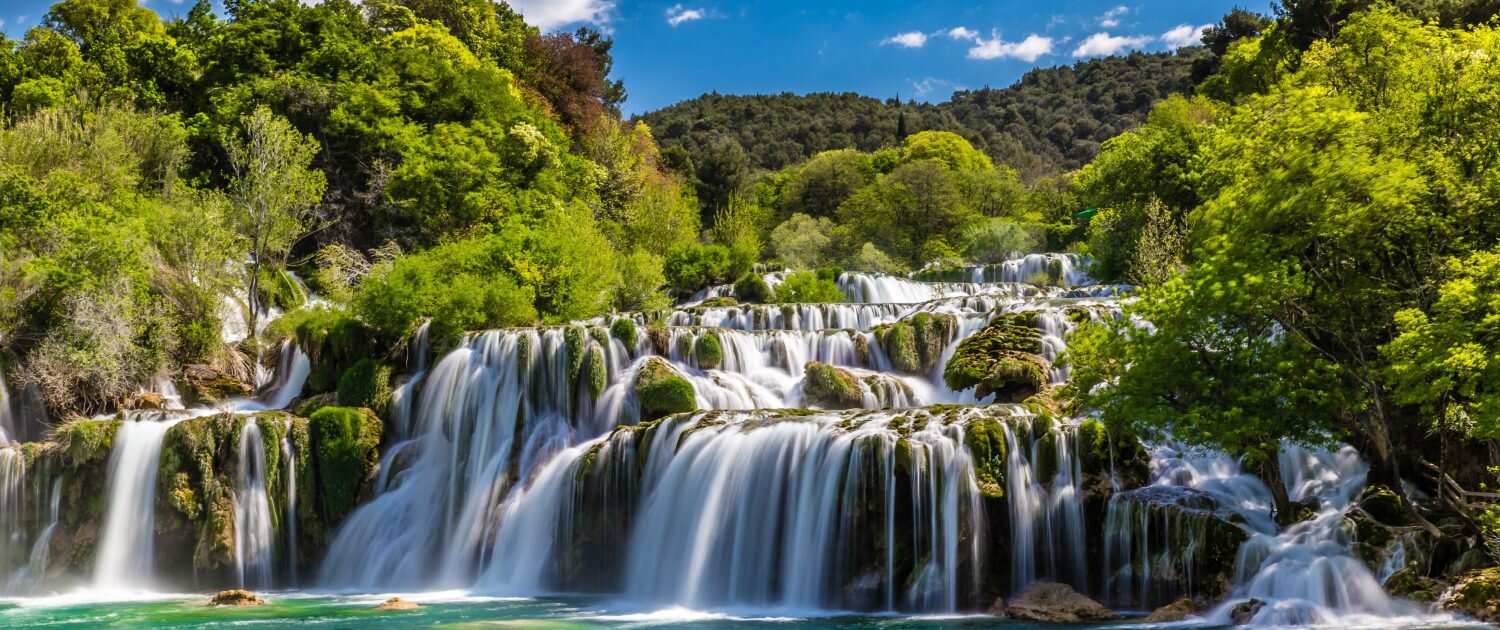
Designated as a UNESCO World Natural Heritage Site in 1979, Plitvice Lakes National Park is the oldest national park in Southeast Europe. Its unique karst landscape has shaped the Korana River into a series of cascading travertine terraces, forming a total of 16 interconnected lakes—hence the name “Plitvice Lakes.”
The varying elevations create countless natural waterfalls, while the distinct beauty of each season transforms the park’s canyons, lakes, and waterfalls into ever-changing scenery. Differences in water depth, elevation, mineral and algae content, as well as light refraction, give each lake its own mesmerizing color and character. Whether strolling along the pathways or admiring the views from above, the landscape is truly breathtaking.
Tour Duration: 08:00 AM – 08:00 PM (approximately 12 hours)
Includes:
- Hotel pick-up and drop-off by air-conditioned coach
- English-speaking guide
- Entrance ticket to Plitvice Lakes National Park
- Insurance
Advance reservation is required. Please inform our customer service team of your preferred date, and we will be happy to make the necessary arrangements for you.
Day 5–6: Zagreb – Split / 2 Nights in Split
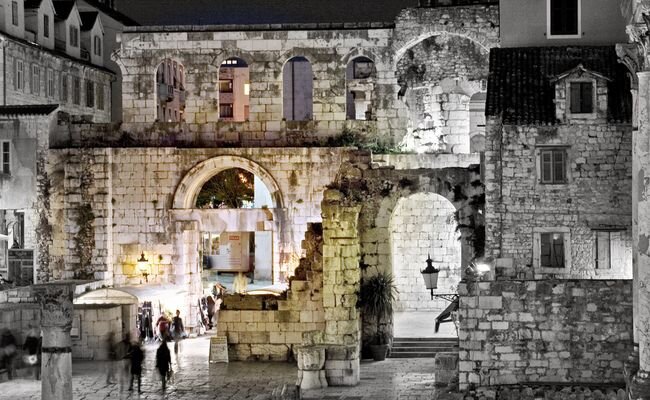
Basking in the sunlight on the Adriatic coast, Split is a vibrant port city. It was originally commissioned in the 3rd century by the Roman Emperor Diocletian, who designed Diocletian’s Palace based on mythological blueprints. Today, the palace forms the heart of the Old Town and is considered one of the best-preserved Roman palaces in the world.
Exploring the palace ruins, visitors can see remnants such as the original Temple of Jupiter, the Cathedral of Split, and even spoils brought back from Egyptian campaigns. Despite the passage of centuries, the grandeur and opulence of the Roman palace remain unmistakable.
Modern Split has grown to become Croatia’s second-largest city after the capital and serves as the most important commercial and maritime hub along the Adriatic coast. In the Old Town, tourists love to visit the golden toe of the city’s patron saint; legend has it that touching it brings good luck!
[Exclusive Offer] Dubrovnik One-Day Tour (Optional Add-on)
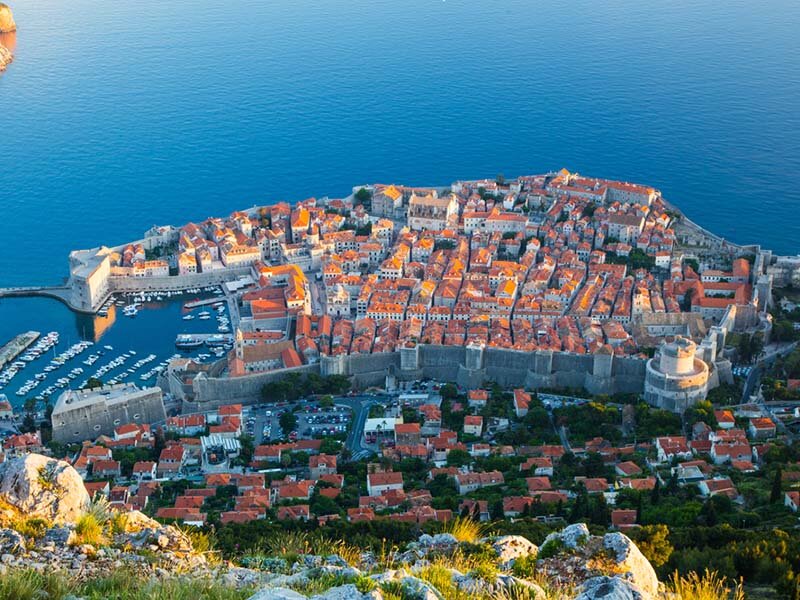
Enjoy a full-day highlights tour of Dubrovnik, a UNESCO World Heritage Site, often referred to as the “Pearl of the Adriatic.” Travel in a comfortable air-conditioned minibus as you explore this stunning coastal city, where every corner offers unique experiences and surprises. The route follows scenic coastal roads, with stops at key viewpoints to admire the breathtaking Dalmatian coastline and islands.
The tour begins at Pile Gate, the entrance to the Old Town leading to the famous Stradun promenade. Along the way, there will be a 45-minute stop in Ston, a town renowned for its fresh oysters, where guests may choose to enjoy a tasting at their own expense.
During your free time in Dubrovnik, you may revisit various attractions at your own pace, walk along the ancient city walls, relax at a café, or enjoy some shopping. You may also take a cable car ride to a panoramic viewpoint overlooking the terracotta rooftops and the Adriatic Sea.
Key highlights of the tour include (final stops may be adjusted with the tour leader):
- Stradun (Placa): Once a sea channel dividing the city, now the main street of Dubrovnik, paved with smooth limestone.
- Church of St. Blaise (St. Vlaho): One of the most beautiful churches in the city, dedicated to Dubrovnik’s patron saint. The golden statue of St. Blaise holds a model of the 15th-century Old Town.
- Franciscan Monastery: One of the most impressive complexes in the city, featuring a pharmacy in operation since 1317—one of the oldest in Europe.
- City Walls and Fortresses: Exceptionally well-preserved, these walls define Dubrovnik’s iconic skyline and make it one of the most beautiful cities along the Mediterranean.
- Sponza Palace: Known for its elegant arcades and intricate stone carvings, it once served as a mint and a gathering place for merchants and scholars. Today, it houses the city archives and hosts cultural events.
Dubrovnik Cathedral: Originally dating back to the 12th century, the cathedral was largely destroyed in the 1667 earthquake and later rebuilt on its original site.