6-Night Holland & Belgium Architecture Tour
Architecture Aficionado's Escape: 6 Nights in Holland & Belgium's Design Capitals
Price Per Person
Starting at TWD 65,000
Category
The ultimate itinerary for architecture lovers. Explore Rotterdam’s modern laboratory with Cubic Houses and Markthal, Amsterdam’s avant-garde housing at Silodam and IJdock, and Brussels’ Brutalist and Art Nouveau gems.

Train
- Schiphol Airport - Amsterdam
- Amsterdam - Rotterdam
- Rotterdam → Brussels
- Ticket Issuance Fee

Hotel
- 2 nights in Amsterdam
- 2 nights in Rotterdam
- 2 nights in Brussels
- Breakfast included

Others
- Travel Insurance: NT$5 million accident coverage + NT$200,000 medical coverage
- European Mobile Data Plan
- Travel Document Holder
- Travel Consultation Services
Trip Rules
- Price per person based on double occupancy
- NT$ 2,500 per person — includes first-class train tickets and upgraded hotel accommodations
- Valid until: December 31, 2025
- Please note: In case of extended travel periods or peak season surcharges, hotel prices are subject to actual booking rates.
- Price excludes airfare, passport and visa fees, overnight sleeper trains (if applicable), and city taxes imposed by hotels.
Detailed Itinerary
Day 1–2|Amsterdam (2 nights in Amsterdam)
🇳🇱 Amsterdam: Canal Aesthetics & Artistic Heritage
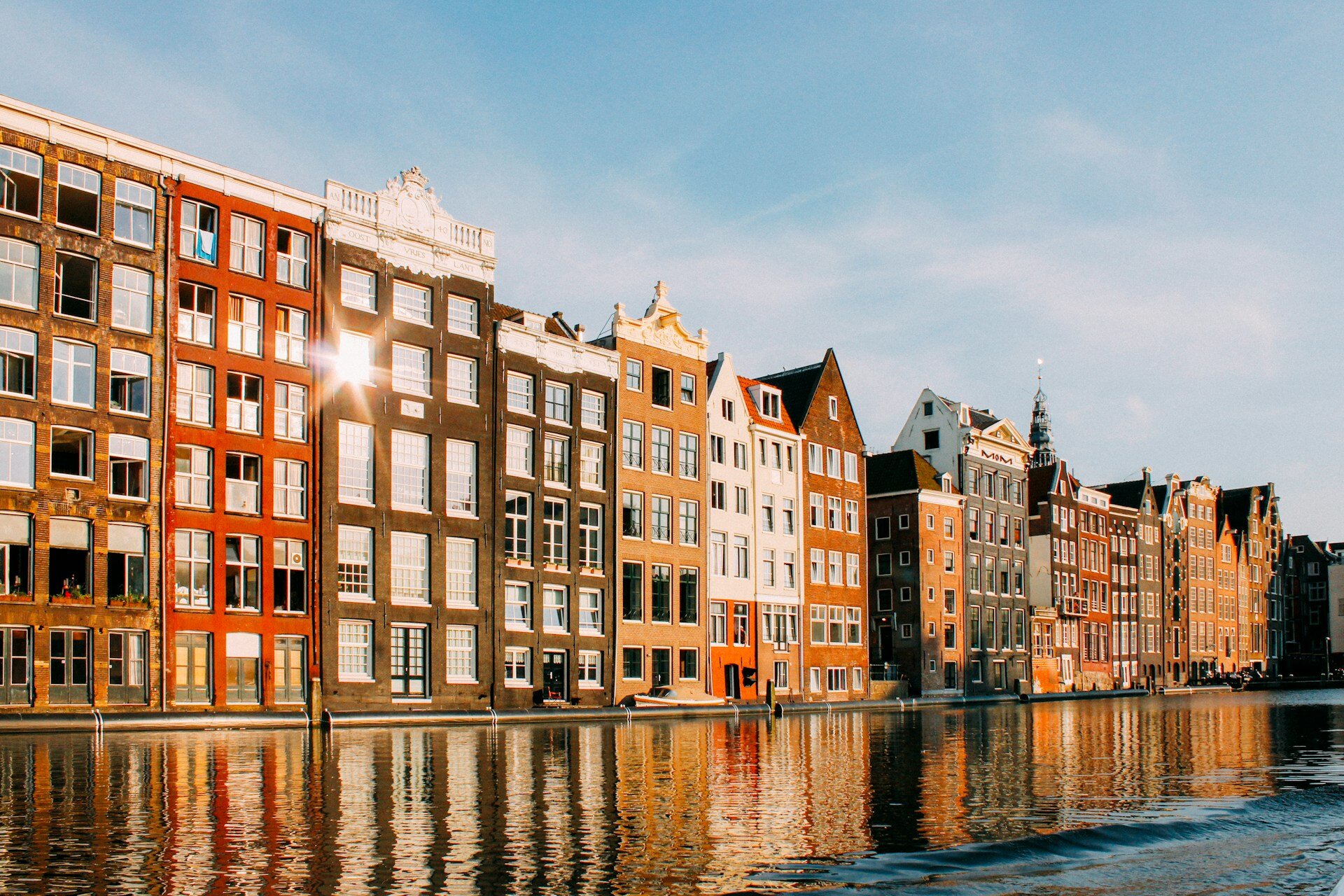
- Once a small fishing port in the 13th century, Amsterdam flourished during the 17th-century "Golden Age" due to maritime power and trade.
- Slow Living by the Canals: Wander along the historic canals and admire the warehouse mansions that have lined the waterways since the 17th century. Spend a slow afternoon at the National Museum (Rijksmuseum) to immerse yourself in the light and shadow of Rembrandt’s masterpieces.
- Daily City Life: Explore the vibrant Dam Square, the Royal Palace, the National Monument, and the colourful Flower Market to experience the city's local charm.
- Architectural Landmarks: For modern design enthusiasts, visit KNSM Island, the unique Silodam building, the waterfront IJdock, the innovative WoZoCo (elderly apartments), Sluishuis residential building.

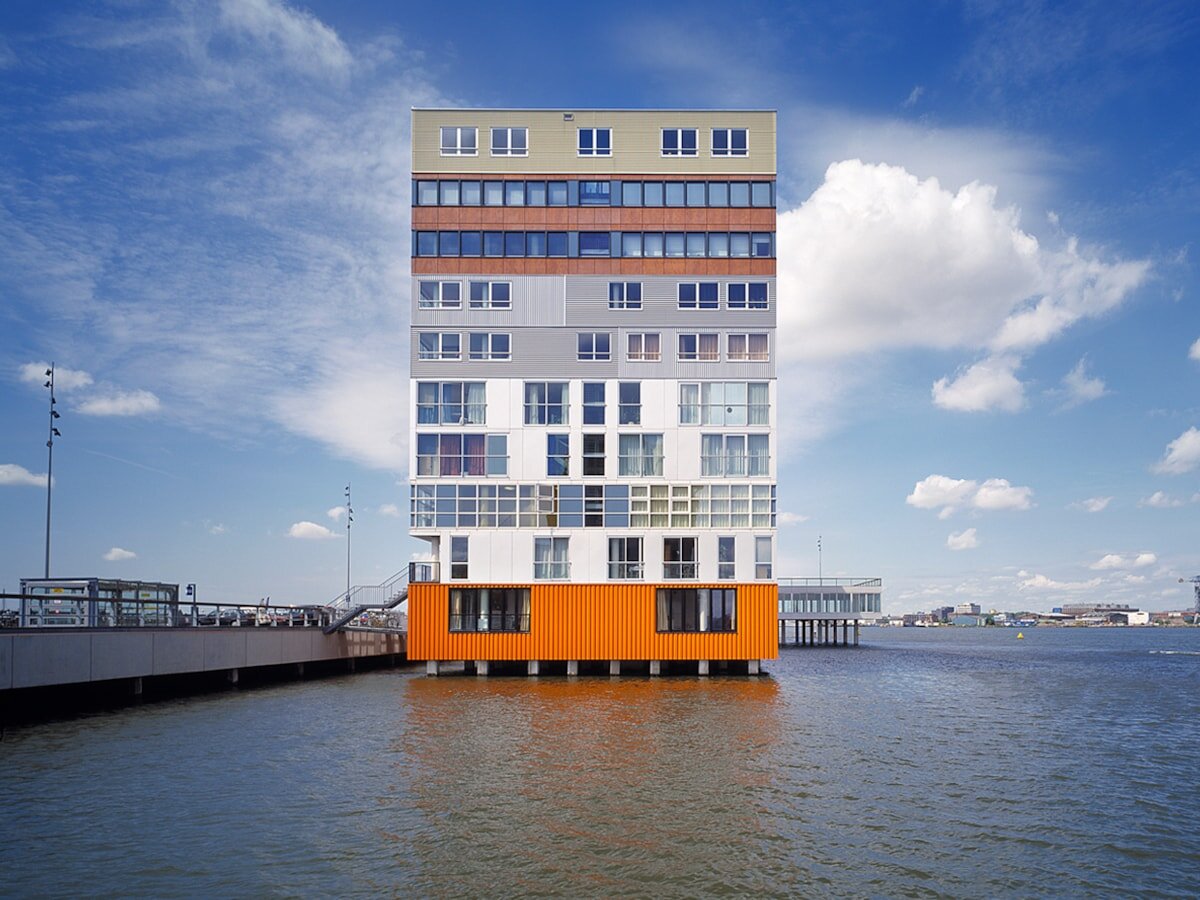
Silodam's famous mixed-use buildings
The building's exterior, featuring a mosaic of containers, uses different colors, materials, and window styles to divide the interior into distinct areas. Visually, it resembles stacks of colorful shipping containers, reflecting the historical context of Amsterdam's port. Although primarily a residential area, its avant-garde design has made it a must-visit destination for architecture enthusiasts and tourists alike.
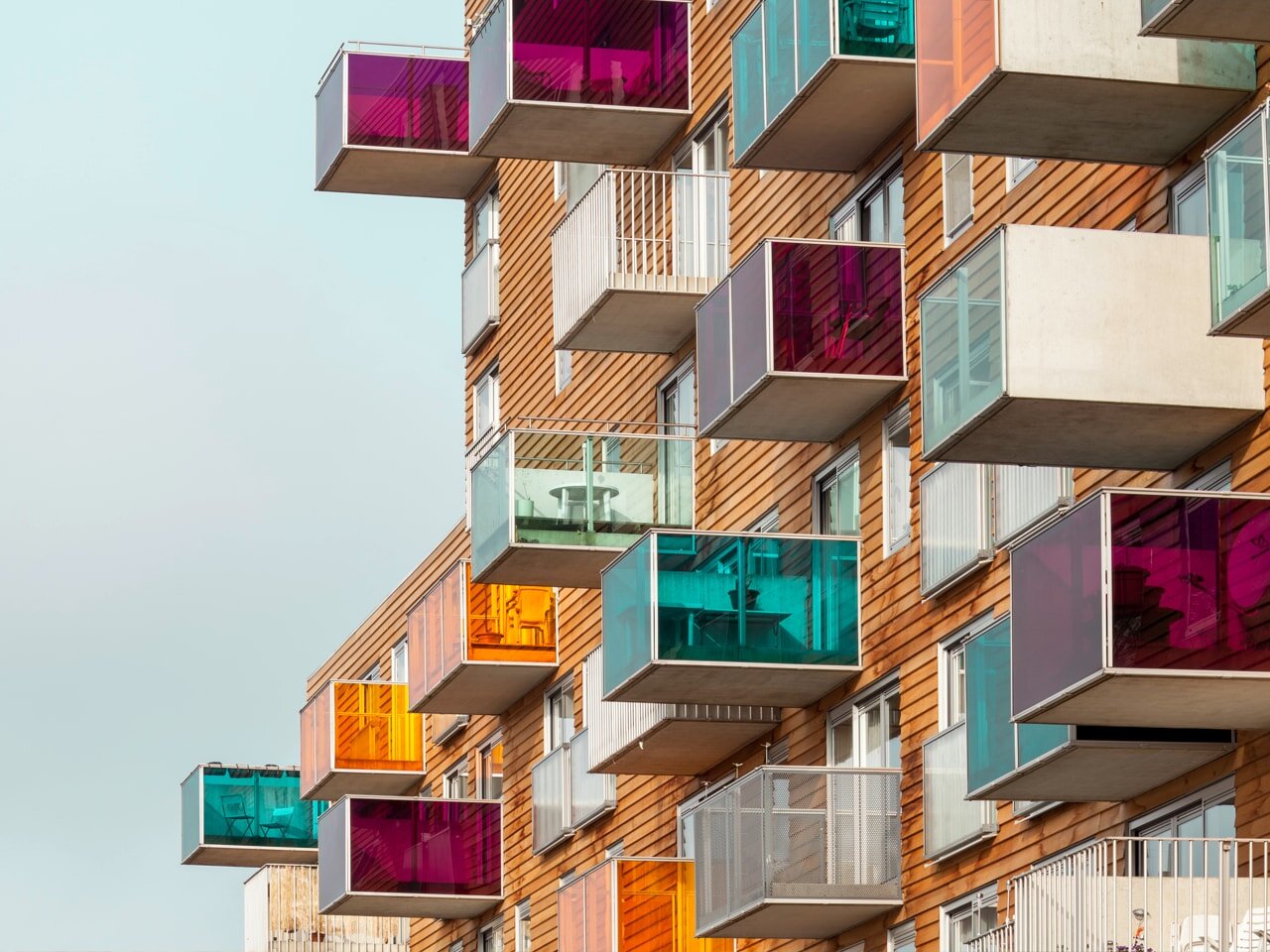
WoZoCo
WoZoCo (full name WoZoCo's Apartments for the Elderly) is a well-known senior living apartment complex in Amsterdam, Netherlands, completed in 1997 by the Dutch architecture firm MVRDV. It is one of the firm's early masterpieces, renowned for its bold cantilever design and hailed as "Amsterdam's Suspended House."
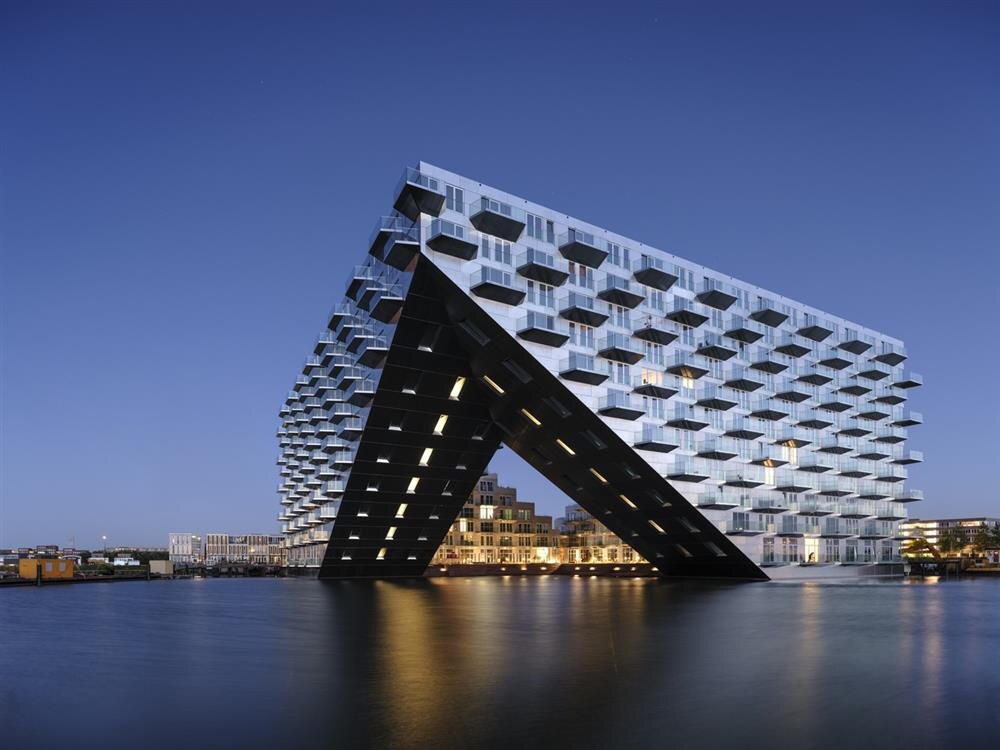
Sluishuis Residential Building
Located in Amsterdam's IJburg district, this landmark floating residential complex was completed in 2022. Renowned for its unique geometric shape and the visual effect of floating on the water, it is a prime example of modern sustainable architecture.
One side of the building cantilevered over the water, forming a sloping cut resembling a ship's bow, allowing light and water to enter the central courtyard; the other side extends down like steps to the city street, featuring lush green terraces.
Day 3~4|Amsterdam → Rotterdam
🇳🇱 Rotterdam: The World's Architecture Laboratory
Rotterdam is a city that rose from the rubble of WWII to become a global hub for creative and experimental architecture.
- MVRDV & Iconic Modernism: Explore the famous Markthal with its breathtaking ceiling art (this landmark is not mentioned in the sources; please verify independently). Don't miss the visually striking Cubic Houses (Kijk-Kubus) and the innovative Floating Community.
- Industrial Chic & Skyscrapers: Visit the Van Nelle Factory (a 1930s modernist icon) and the Museum Park. Head to the Kop van Zuid district to see the city's sleek bridges and modern skyline.
- Slow Travel & Nostalgia: For a change of pace, visit Delfshaven, where old warehouses and historic docks evoke the Dutch "Golden Age"
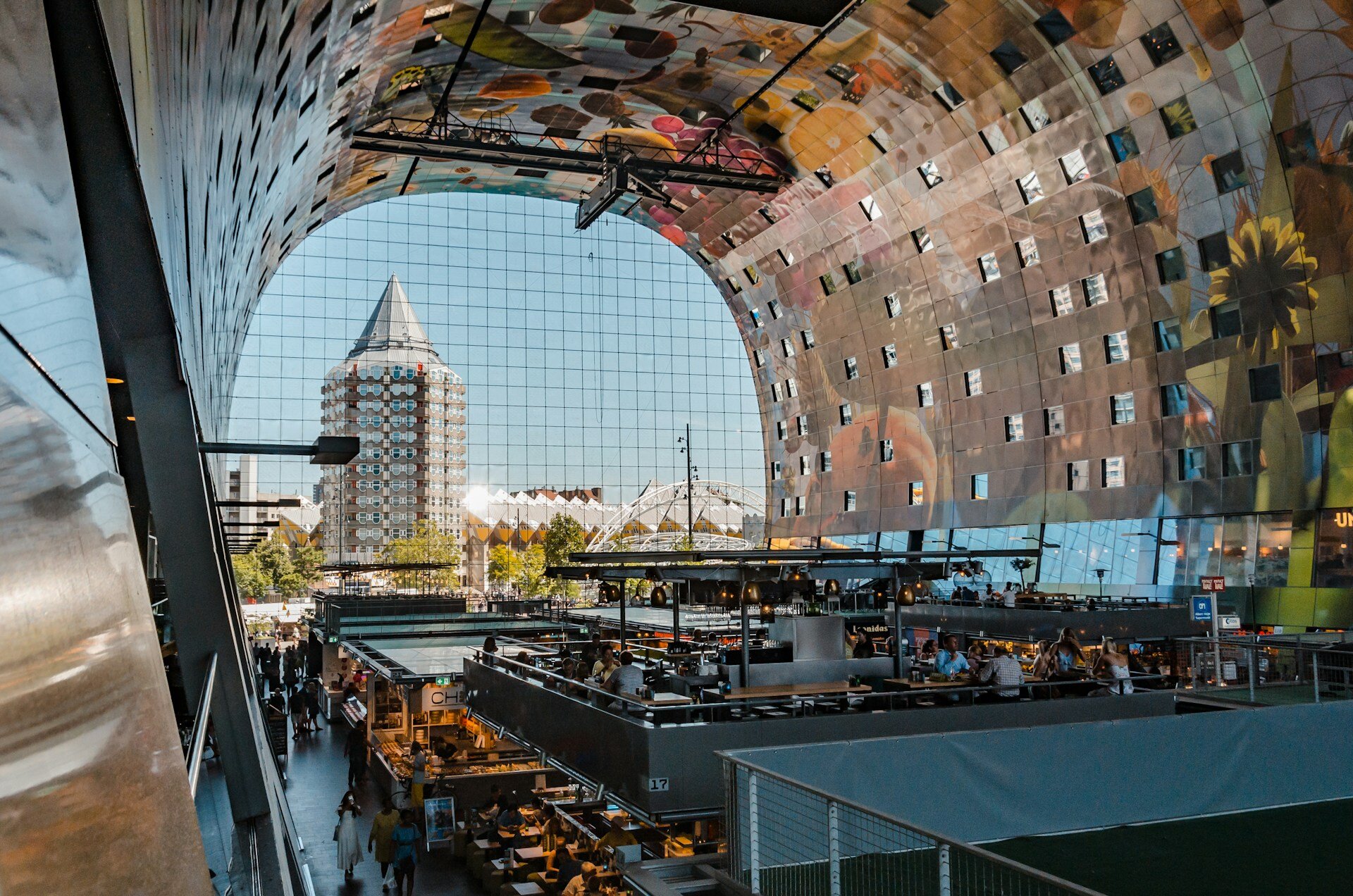
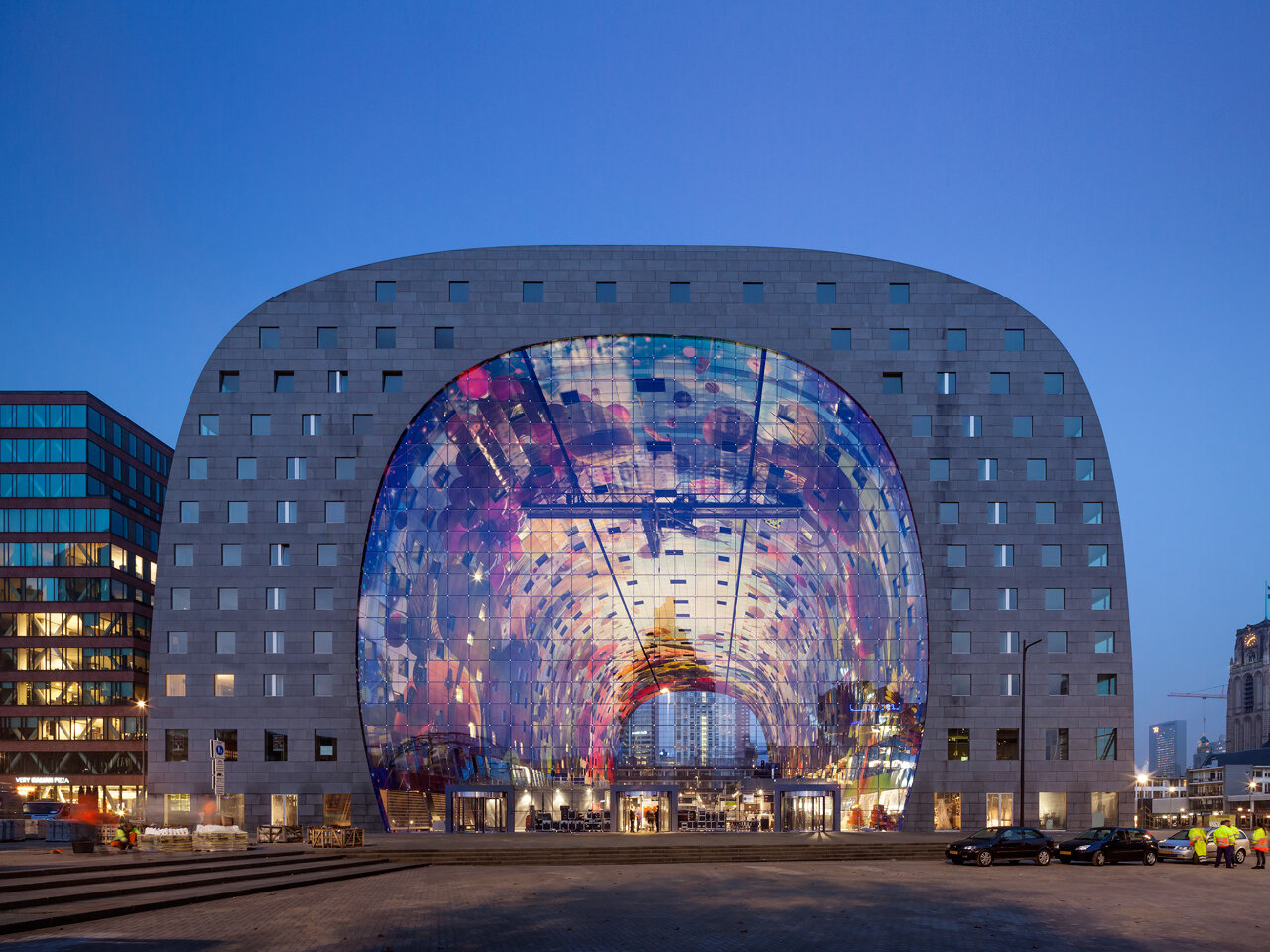
Markthal
Markthal, the Netherlands' first indoor market and residential complex, is located in the heart of Rotterdam (near Blaak train station). Famous for its unique horseshoe-shaped vaults and the spectacular giant mural "Horn of Plenty," it's hailed as "the world's most beautiful market." With over 100 fresh produce stalls, restaurants, and cafes, it's a must-visit for experiencing Dutch cuisine (such as raw herring and caramel crepes).
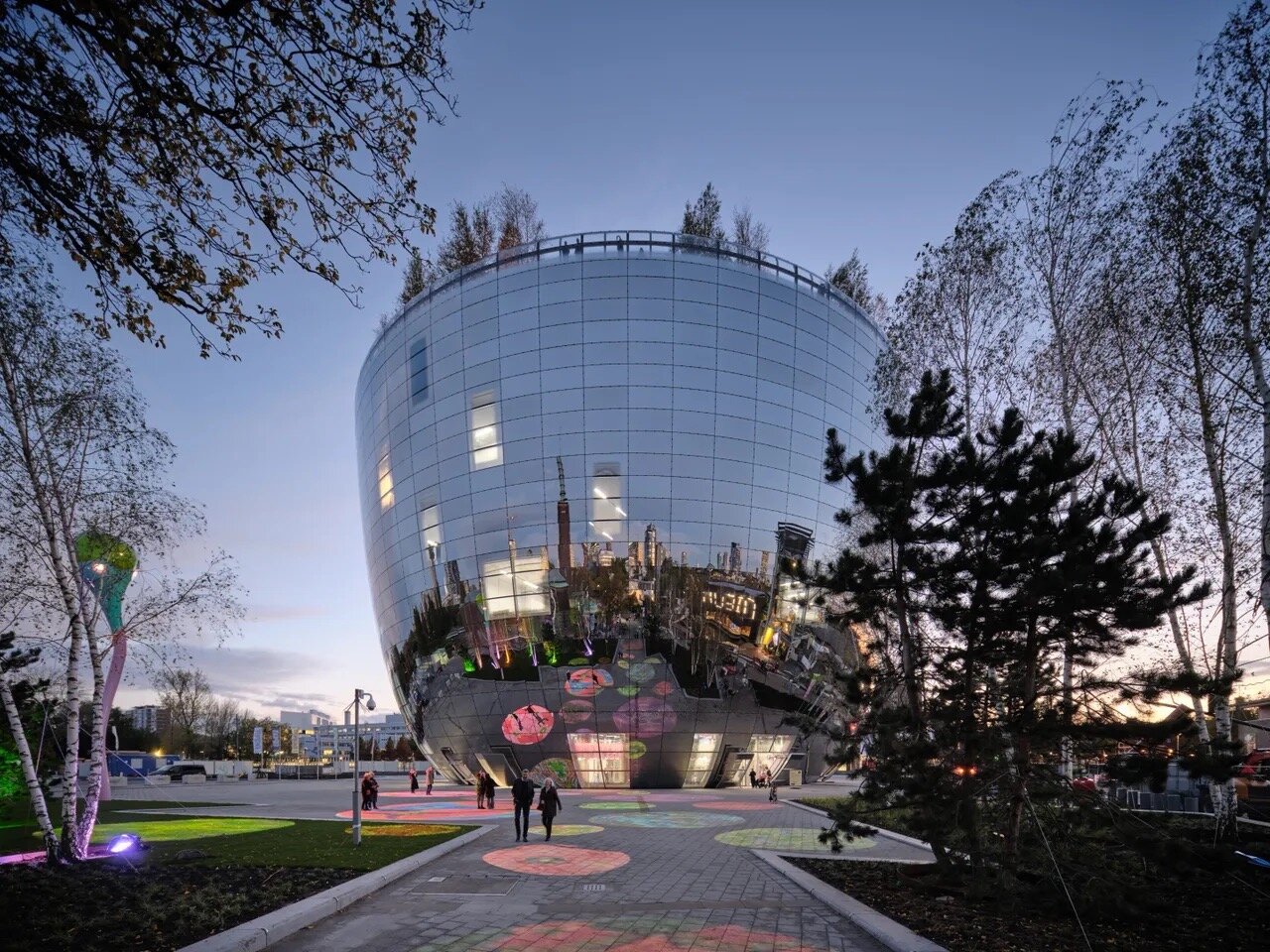
Depot Boijmans Van Beuningen
Depot Boijmans Van Beuningen is the world's first art repository open to the public. Designed by the renowned architectural team MVRDV, this mirrored building breaks the traditional museum limitation of "exhibiting only 10% of the collection," presenting 100% of its 150,000 artifacts to the public.
Composed of 1,664 mirrored glass panels, it perfectly reflects the surrounding cityscape and sky, allowing the massive building to blend seamlessly into its environment.
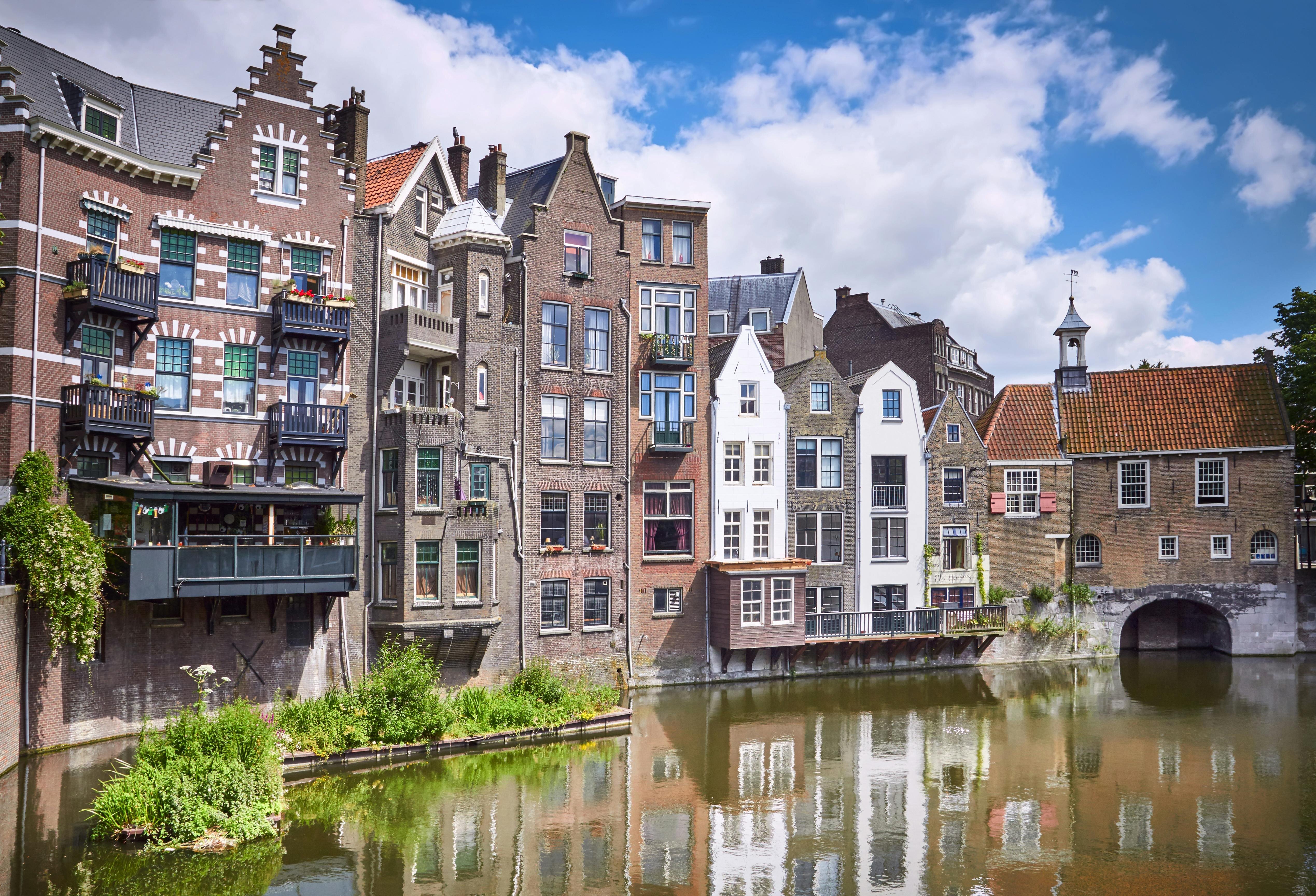
Delfshaven
Delfshaven is a charming historical district in Rotterdam, Netherlands, renowned for its well-preserved old canals, 15th-century port architecture, and historical sites that survived World War II bombings. Today, the old canal houses a variety of antique shops, restaurants, quaint cafes, and breweries.
Day 5–6|Rotterdam → Brussels (2 Nights in Brussels)
🇧🇪 Brussels: Medieval Soul Meets Architectural Playground
Brussels is a city where eras blend with playful charm, featuring street scenes where Art Nouveau facades and medieval ruins rub shoulders unabashedly with modern masterpieces.
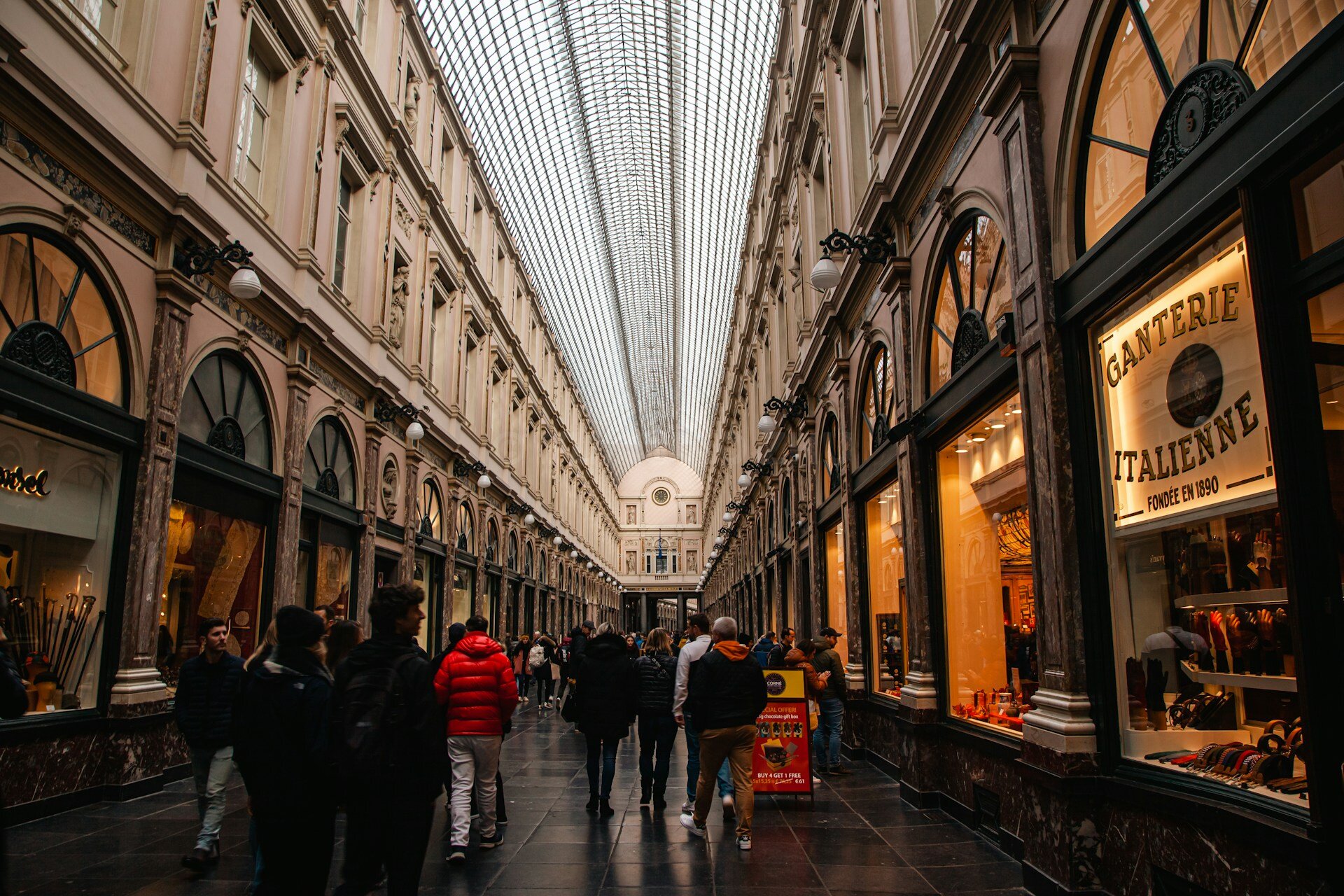
- Medieval Grandeur & Classical Landmarks: Begin at the Grand Place, praised as Europe's most beautiful square, before strolling through the 19th-century Galeries St. Hubert, one of the continent's oldest shopping galleries. Don't forget to visit the iconic Manneken Pis in the nearby alleys.
- An Architect’s Playground: Explore the "Mecca for architects" in Schaerbeek, teeming with architectural gems, or admire the 19th-century industrial legacy of the Canal District. Take an arty walk from Flagey to Villa Empain, a route that seamlessly connects 1930s style with contemporary sculpture and street art.
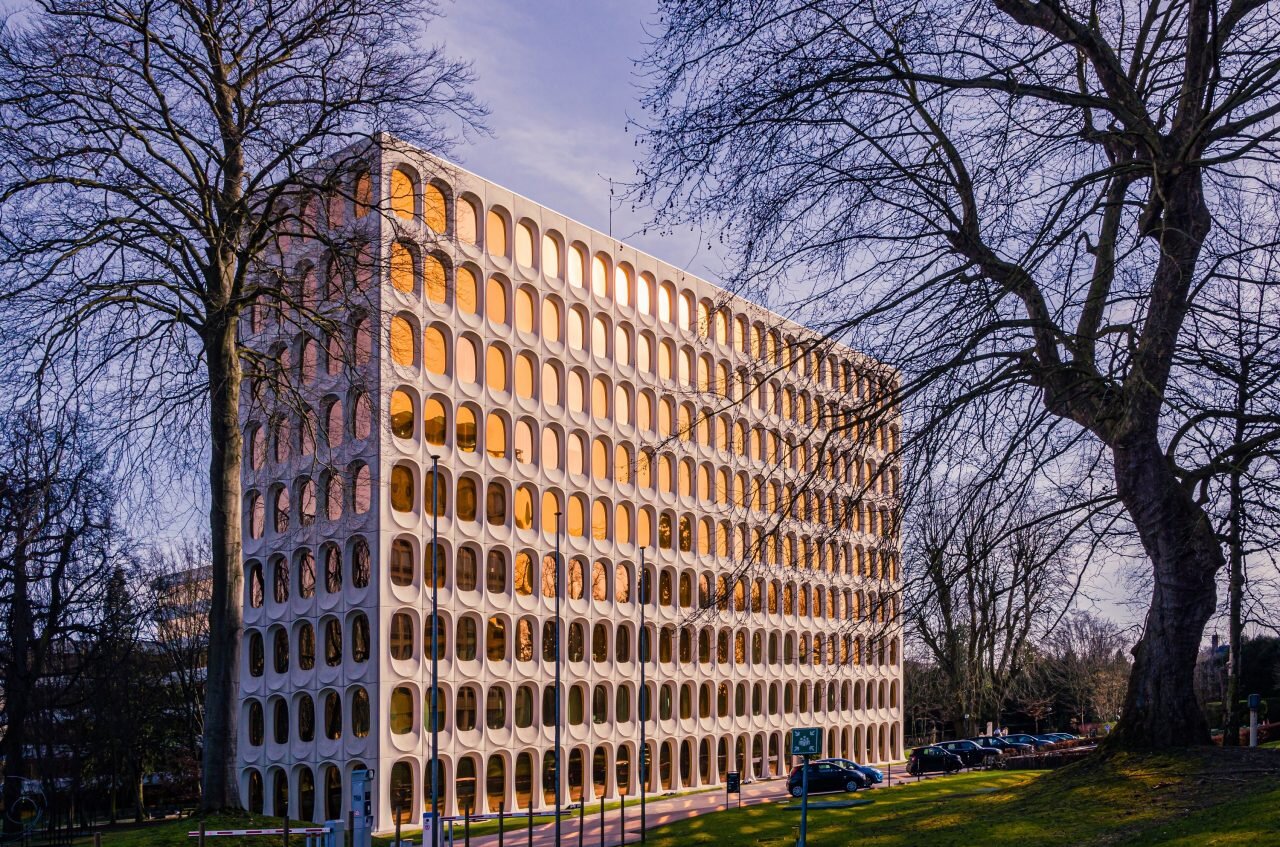
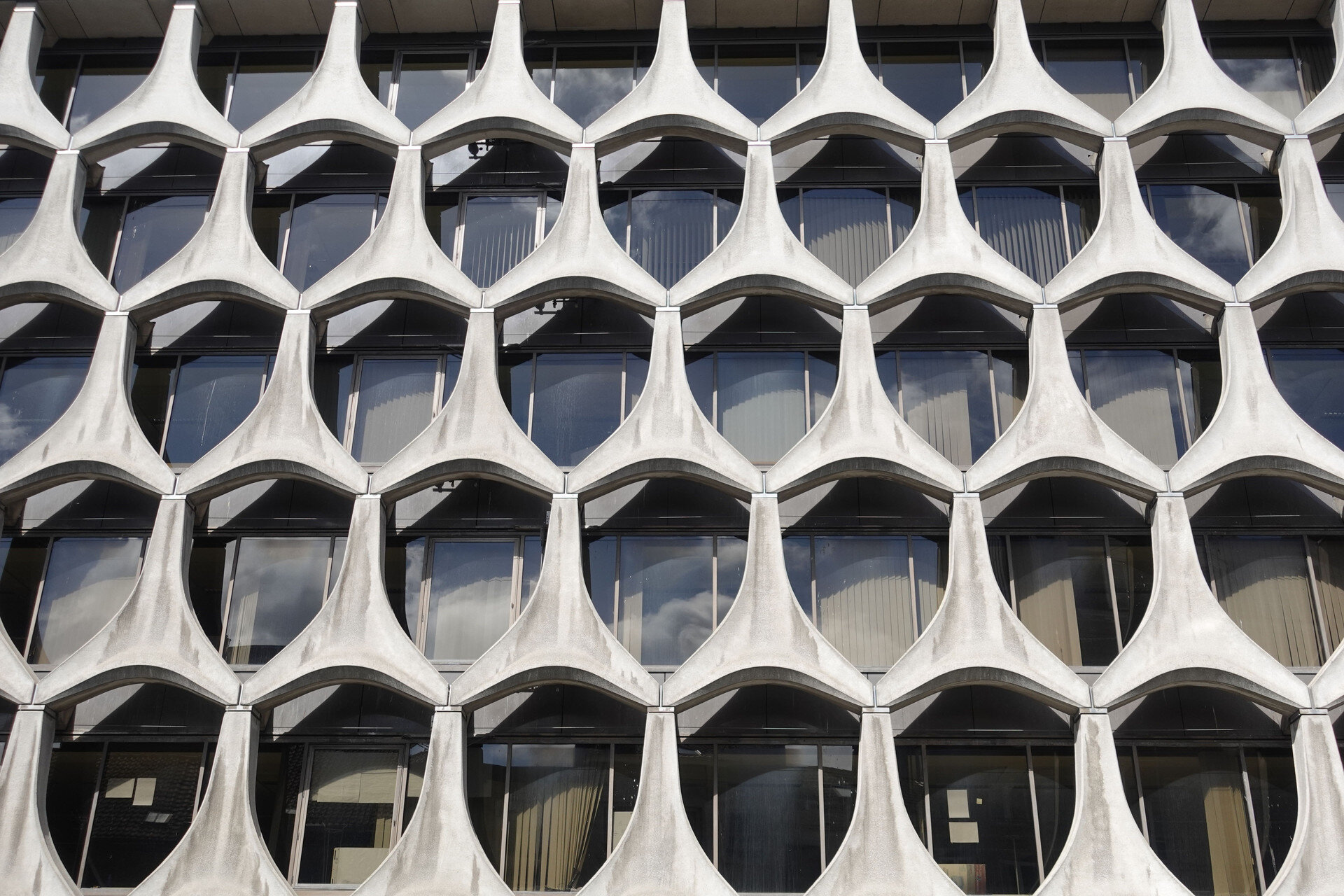
- Modernist & Brutalist Gems: Journey into the post-war world where everything seemed possible, from the geometric patterns of the Marais Building and the brutalist facade of Rue d'Arlon 53-55 to the iconic "modernist ocean liner" design of the Former CBR Headquarters. In Uccle, you can discover numerous "dream homes" featuring striking modernist linework.
Fomer CBR Headquarters
The legendary, bold and eminently instagrammable lines of the former headquarters of the CBR cement works are well-known to urban adventurers. Iconic oval windows with copper-coloured glass cover the entire 9 floors.
In 1980 when it was selected by the Museum of Modern Art in New York as one of modern architecture’s most iconic buildings! It has also captured the imagination of many directors such as François Ozon or Jacques Brel for whom it served as a futuristic set. Enthusiasts can even set foot inside for lunch at the trendy Midori Boitsfort, a restaurant which has just opened on the ground floor.
Marais Building
Are geometric motifs your thing? Then head to number 30-50 Rue du Marais for a face-to-face meeting with the offices of BNP Paribas Fortis. Here, the inverted Y-shaped pattern fulfils both an aesthetic and a structural function. This makes the former SLA building one of the best-known examples of load-bearing facade elements made of architectural concrete.
Galeries St. Hubert
Located in the heart of Brussels, the Galerie Royales Saint-Hubert, completed in 1847, is one of Europe's oldest indoor shopping arcades.
It mainly consists of three sections: the Galerie du Roi (King's Arcade), which houses a theater, boutiques, and art galleries; the Galerie de la Reine (Queen's Arcade), the most popular section, home to the famous Neuhaus chocolate shop (the birthplace of the Belgian filled chocolate Praline) and the luxury leather goods brand Delvaux; and the Galerie des Princes, smaller and quieter, featuring the renowned Tropismes bookstore.
Accommodation Guide
Brussels
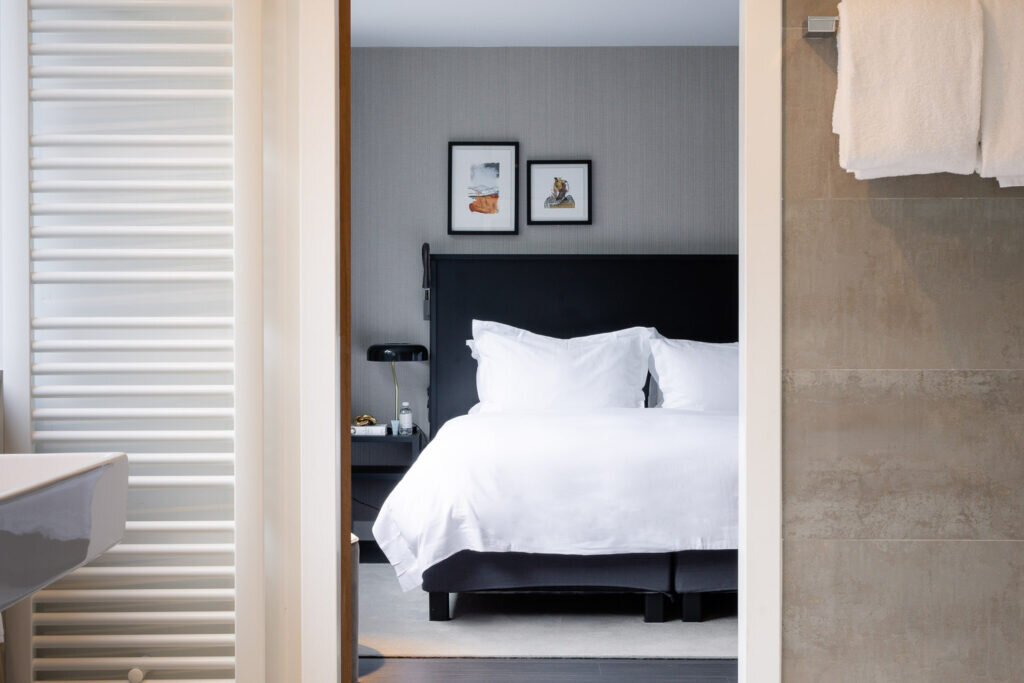
Pillows City Hotel Brussels Centre
It perfectly embodies understated luxury. The interior design uses a large amount of warm wood tones, soft fabrics, and modern art decorations to create a tranquil atmosphere reminiscent of a private mansion. It is about a 5-7 minute walk from Brussels-Central (central station).
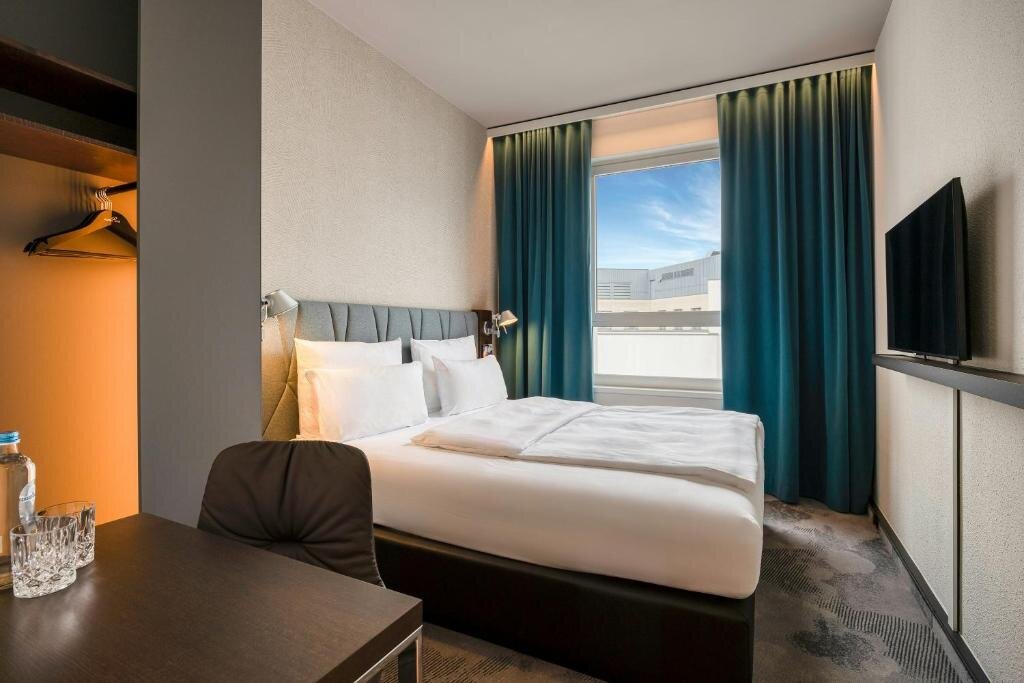
Motel One Brussels
Motel One's core philosophy is "affordable design." This branch continues the brand's signature modern style: high-quality leather sofas, large floor-to-ceiling windows, minimalist yet highly functional room designs, and cleverly incorporates local Brussels art elements (such as a minimalist style dominated by blue tones). It's about a 10-minute walk from Brussels-Central station.
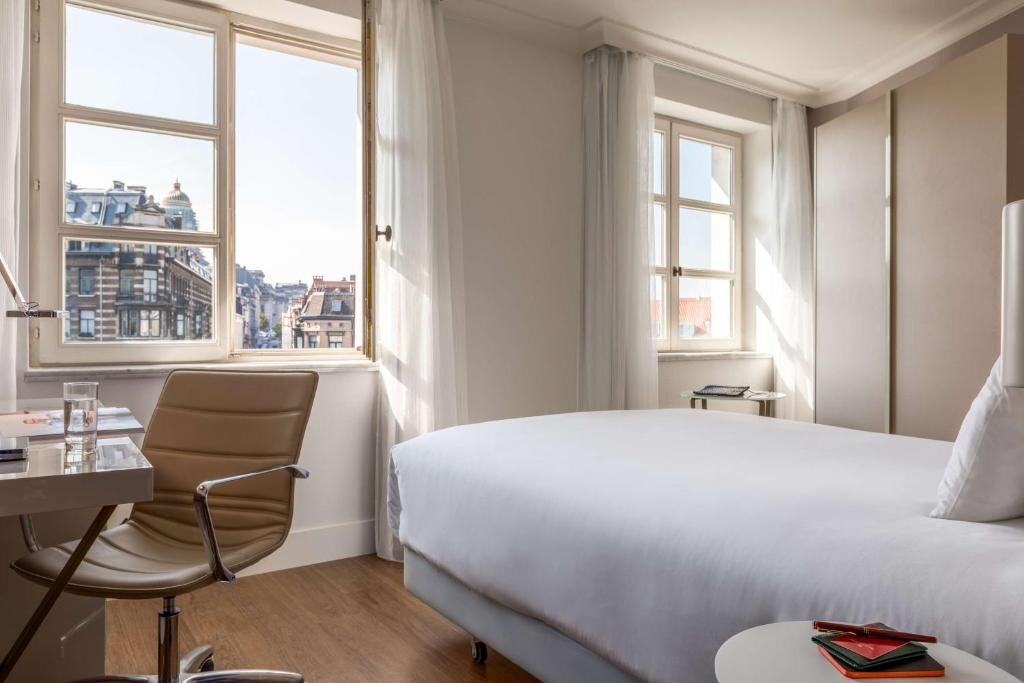
NH Collection Brussels Grand Sablon
The building's exterior retains the elegant atmosphere of Brussels' old town, while the interior has undergone a complete modern renovation. Directly overlooking the Sablanc Square, a hub of boutiques and renowned chocolate shops, it exudes a timeless charm. It's approximately a 10-12 minute walk from Brussels-Central (central station).
Rotterdam
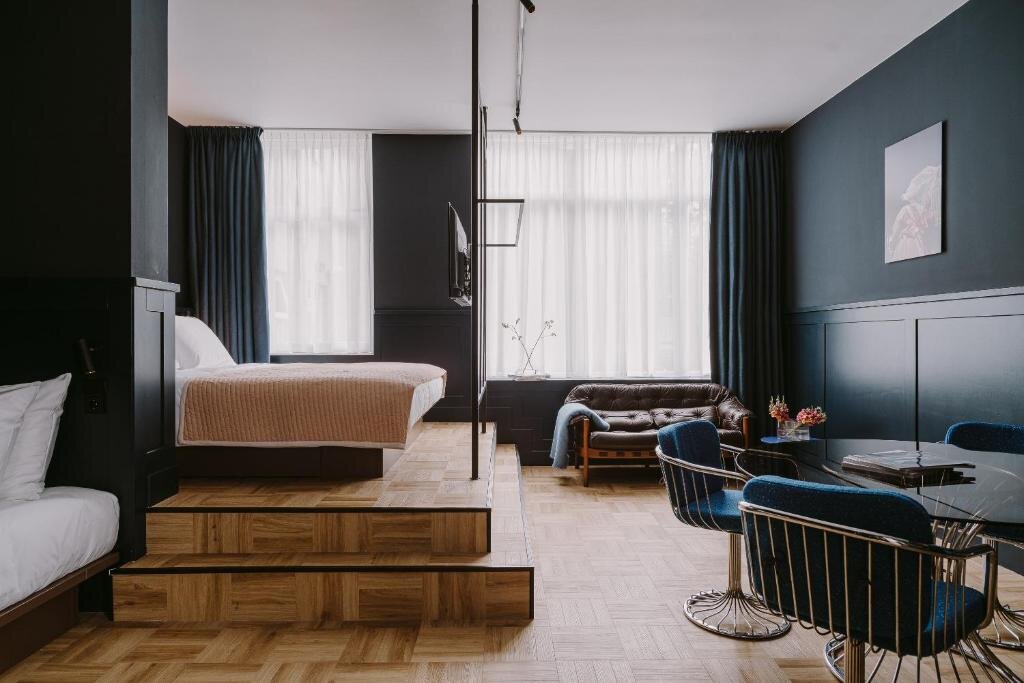
Rotterdam Supernova Hotel
This is a renowned boutique design hotel in Rotterdam. Each room is subtly different in its décor, utilizing abundant natural wood, earthy tones, and minimalist industrial elements, while incorporating an art curation concept (the hotel has a small gallery). It's suitable for travelers who appreciate detail and design warmth. It's approximately a 15-20 minute walk to Rotterdam Centraal train station (about a 5-minute tram ride).
The Social Hub Rotterdam
The core concept of The Social Hub is to break down boundaries, blending student dormitories, business co-working spaces, and boutique hotels. The design style is "industrial + vibrant color blocking," with spaces filled with graffiti, neon lights, vintage furniture, and an open-plan lobby. It's located near Kralingse Zoom in the city center (approximately 10-12 minutes by subway to Rotterdam Centraal).
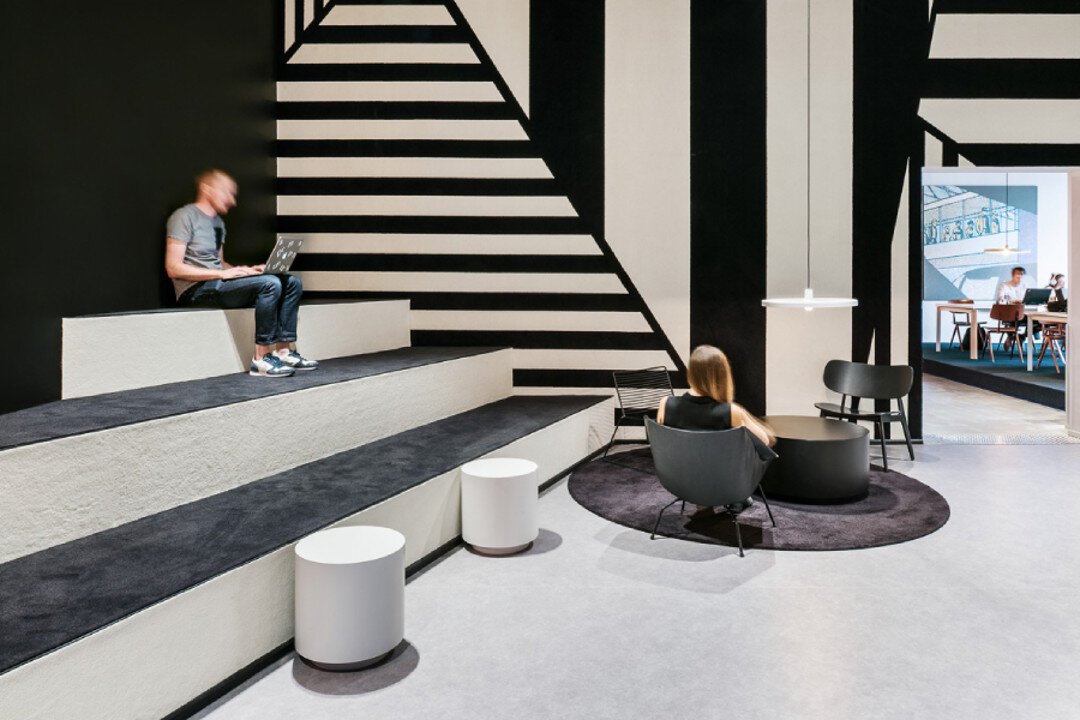
Hilton Rotterdam
The interior design, handled by a renowned interior design firm, successfully blends the post-WWII Rotterdam style with contemporary luxury. The extensive use of clean lines, mirrors, and marble creates a sophisticated and imposing business atmosphere. If you appreciate a space that blends classic and modern elements, this is the perfect choice. Located just an 8-10 minute walk from Rotterdam Centraal train station, it's situated in the heart of the city center.
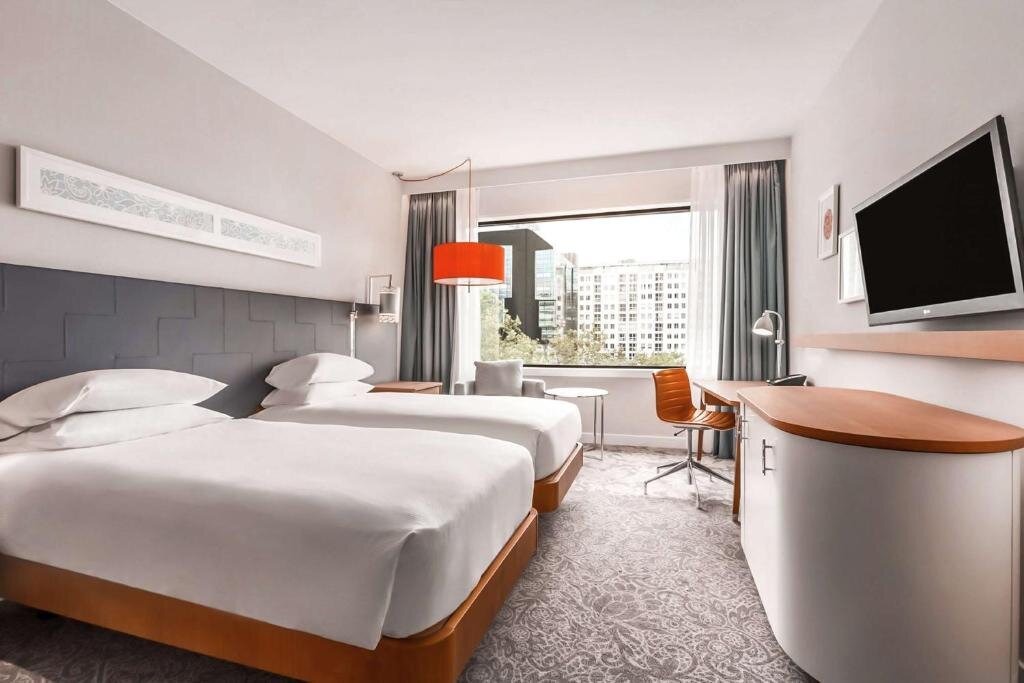
Amsterdam
NH Collection Amsterdam Barbizon Palace
This hotel is an architectural journey in itself, converted from 19th-century 17th-century terraced houses and a 15th-century church. Its most distinctive feature is the preservation of much of the original structure, such as exposed timber beams, sloping ceilings, and arched structures, cleverly integrating top-notch modern amenities into the ancient framework. It's located directly opposite Amsterdam Centraal train station (about a 2-minute walk).
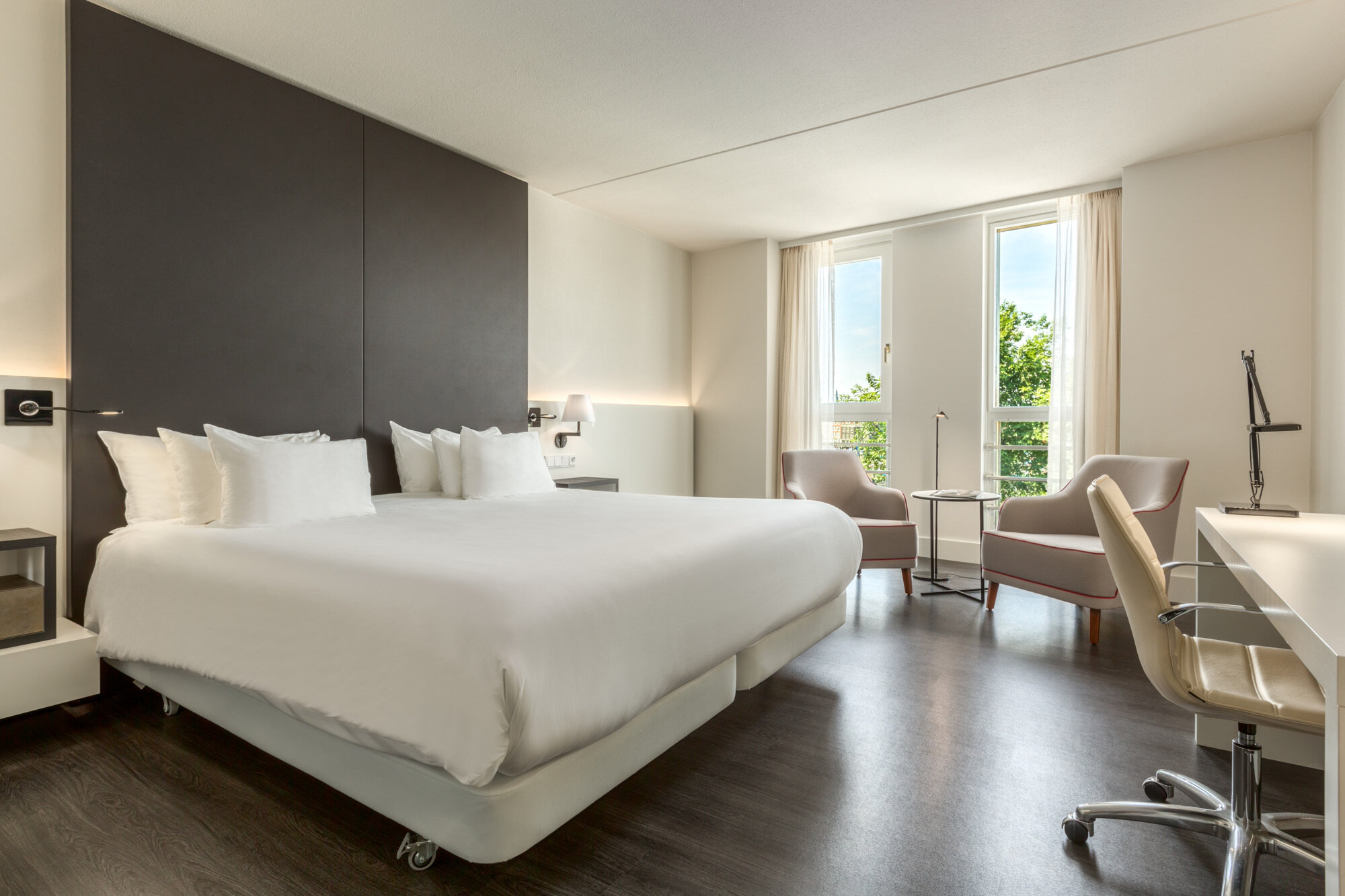
DoubleTree by Hilton Amsterdam Centraal Station
The overall design is very modern and vibrant. Its public spaces (lobby, bar, and restaurant) have recently undergone extensive renovations, incorporating numerous Amsterdam urban motifs (such as the famous "XXX" totem) to create an atmosphere that is both avant-garde and welcoming. Most notably, its rooftop SkyLounge boasts unparalleled panoramic city views and is a popular gathering place for trendsetters. It is located east of Amsterdam Centraal train station (approximately a 5-minute walk).
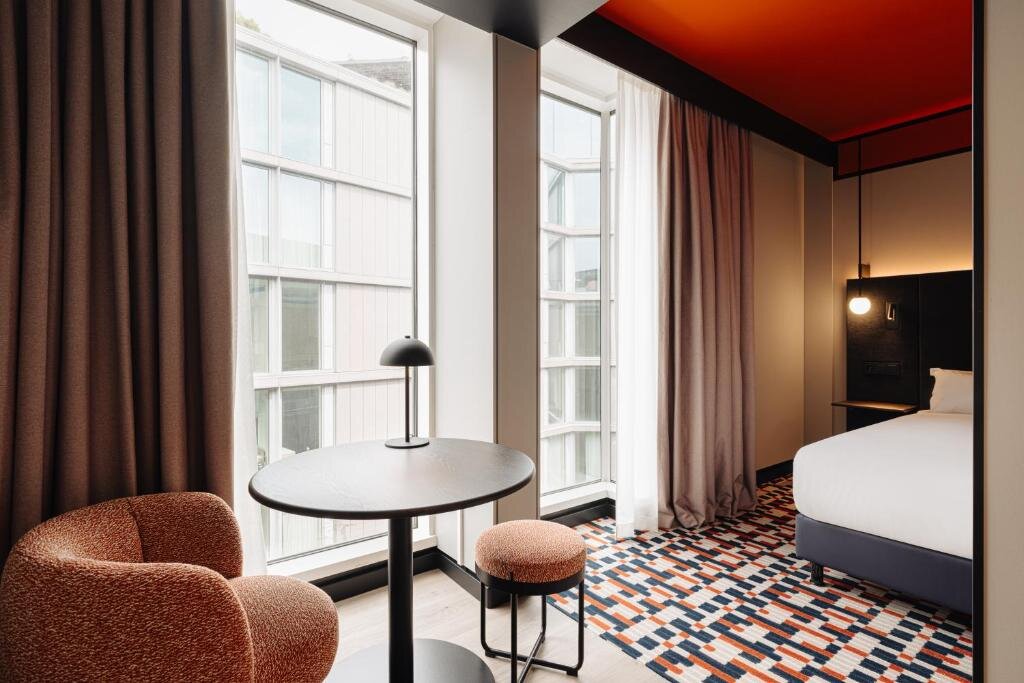
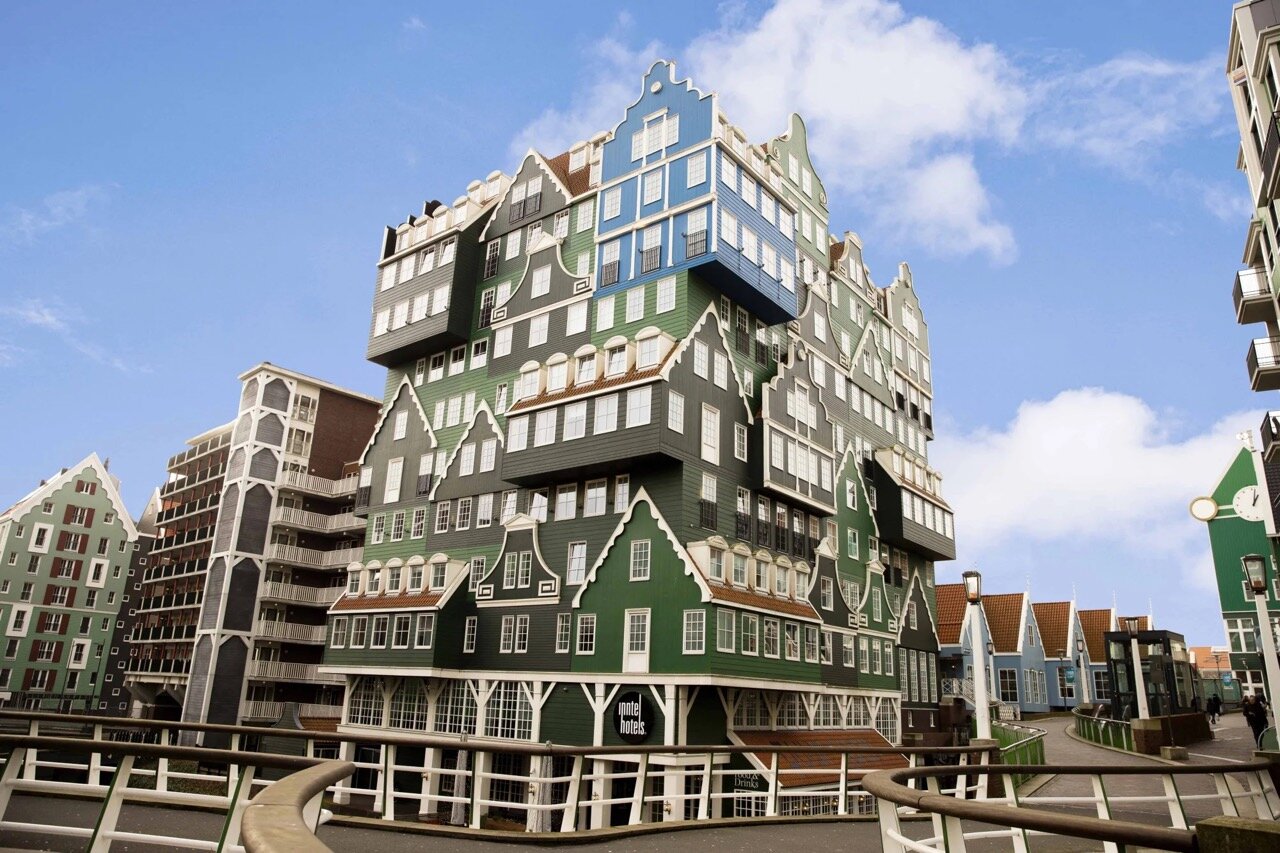
Inntel Hotels Amsterdam-Zaandam
The hotel with the most architectural controversy. It's famous for its "collage" design of traditional Zaan houses. The exterior looks like dozens of typical green wooden Dutch traditional houses stacked like Lego bricks. It's located next to Zaandam train station (about a 1-2 minute walk).
FAQs
Hotel include?
Is plane ticket included?
Is this the final price?
How to travel between cities?