Between Borrowed Nature and Shared Art: A Cultural Guide to Sweden's Architectural Experiments
In Sweden, travel is more than a change of scenery; it is a recalibration of the soul, focusing on how humans dialogue with the environment. To truly appreciate Sweden's two most extraordinary stays—Treehotel and ICEHOTEL—one must first understand the three core cultural codes that define this land.
The Bedrock of Swedish Aesthetics: Lagom, Allemansrätten, and the Democratization of Art
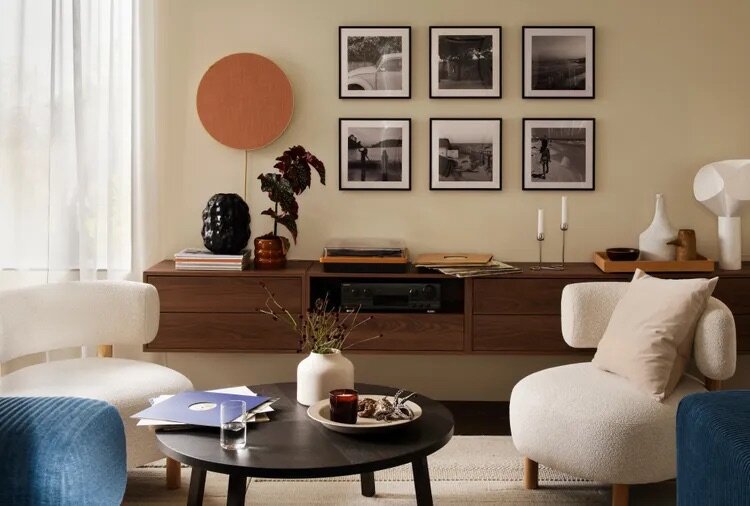
The first is "Lagom," a philosophy of balance meaning "not too little, not too much, just right." It is not a call for austerity but a pursuit of functional perfection and aesthetic harmony. This understated quality is precisely what resonates with those who appreciate the "human-centric" design of brands like Volvo.
Below: IKEA's "Lagom Living" concept grows from the Swedish pursuit of a life that is "not too much, not too little, just right," bringing that middle-way balance into home aesthetics—seeking the most composed, practical equilibrium between functional excellence, design beauty, and sustainable living for modern families.
The second is "Allemansrätten," or the "Right to Roam." This unique Swedish right grants everyone the freedom to explore forests, lakes, and coastlines. Swedes believe that nature belongs to no one; we are merely temporary borrowers. This reverence dictates the logic of their architecture: these hotels do not seek to conquer the wilderness but to hide gracefully within it.
Below: The Artipelag art museum is built seamlessly into the rocks and forest of the Stockholm archipelago. Its open, nature-integrated design perfectly embodies Allemansrätten's cultural core—that nature belongs to no one, is shared by everyone, and should be borrowed with humility.

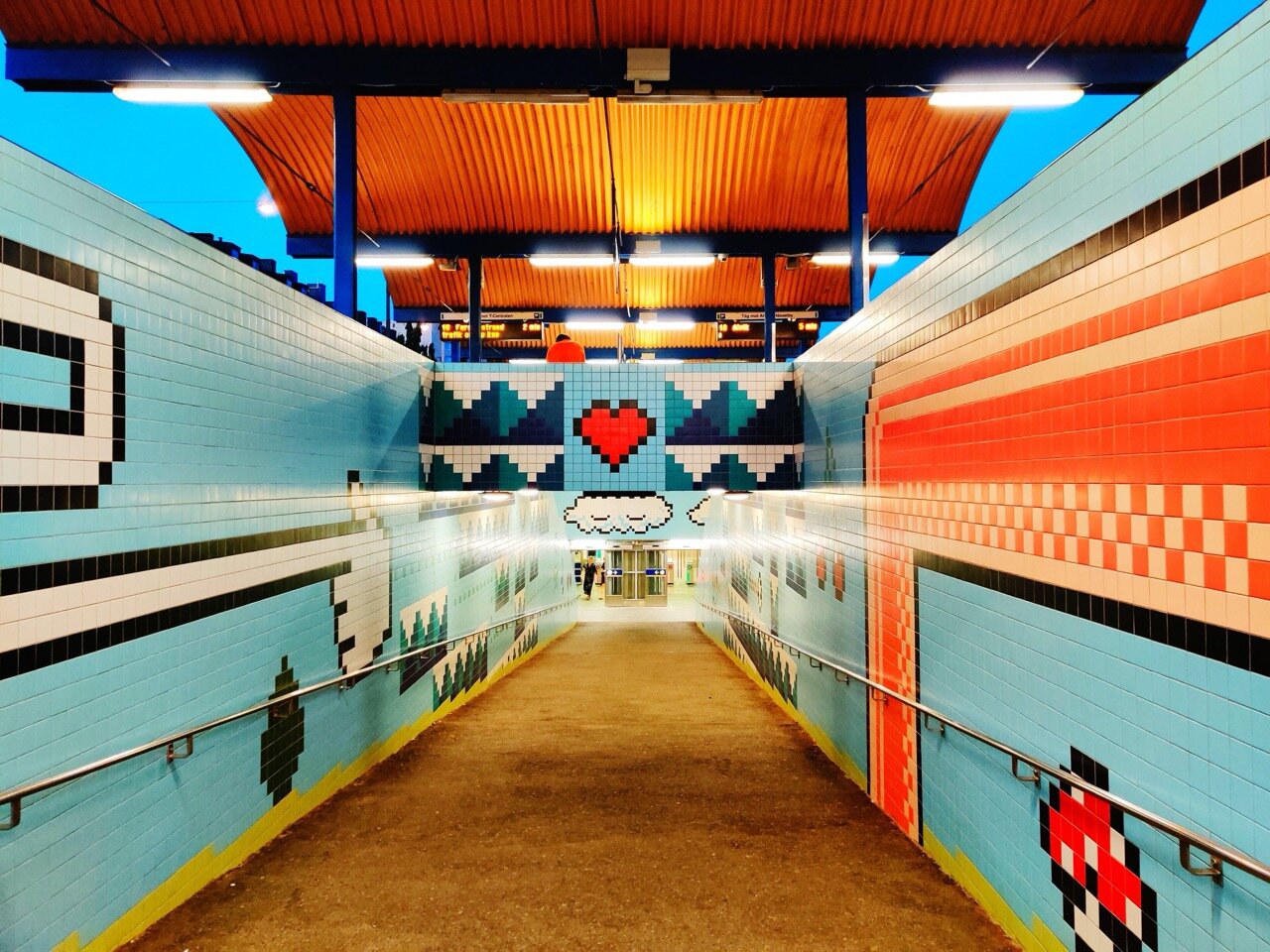
Finally, there is the "Democratization of Art." Swedes believe art is a basic human right, not a luxury for the elite. This spirit is woven into the operation of their hotels: rooms are not just private quarters but creative spaces shared with the public.
Below: Stockholm's Thorildsplan metro station is more than a means of transport—it is a living, moving museum. Through subway art, Sweden shows the world its commitment to equality and humanism, bringing art down from its pedestal to find meaning in the everyday rhythm of ordinary life.
I. Architectural Masterpieces in the Wild: Treehotel in Harads
Deep in the virgin forests of Harads, Treehotel fulfills the ultimate dream of escaping the city to live among the treetops. Every room is a unique experiment by a top Nordic architect, turning imagination into reality.
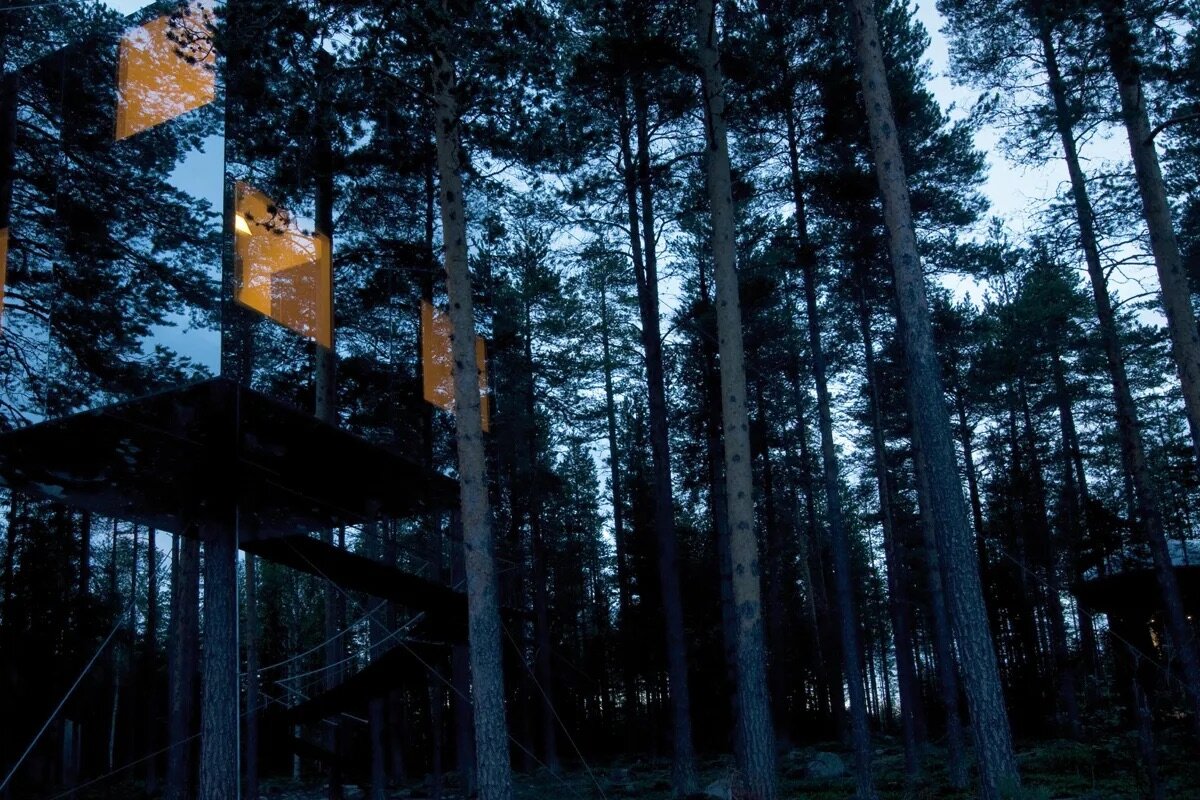
The Mirrorcube — The Art of Disappearing: Designed by Tham & Videgård, its exterior is entirely mirrored, reflecting the surrounding forest and sky to make the building virtually "invisible." It is more than a design marvel; it is a humble tribute to the forest.
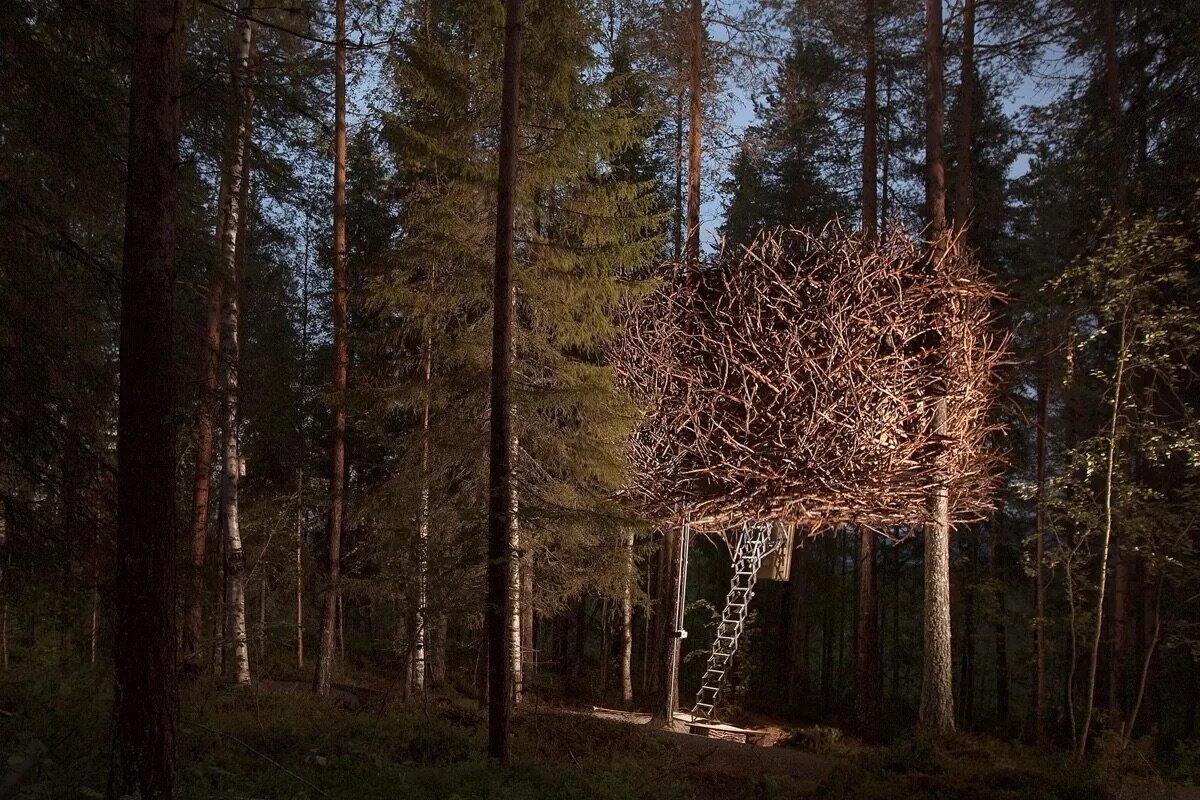
The Bird's Nest — Pure Mimicry: From the outside, it appears as a massive, natural nest perfectly integrated into the trees. Inside, however, is a modern, sophisticated space. This contrast between a rugged exterior and an advanced interior reflects the Swedish desire for stability.
The Blue Cone — A Swedish Jest: One of the most famous stories involves this room, which is actually bright red. Architect Thomas Sandell originally envisioned a blue building, but during a site visit, he was struck by the beauty of a red construction board against the white snow. He chose red as a tribute to the "Blue Hall" in Stockholm's City Hall, which also famously remained red brick.
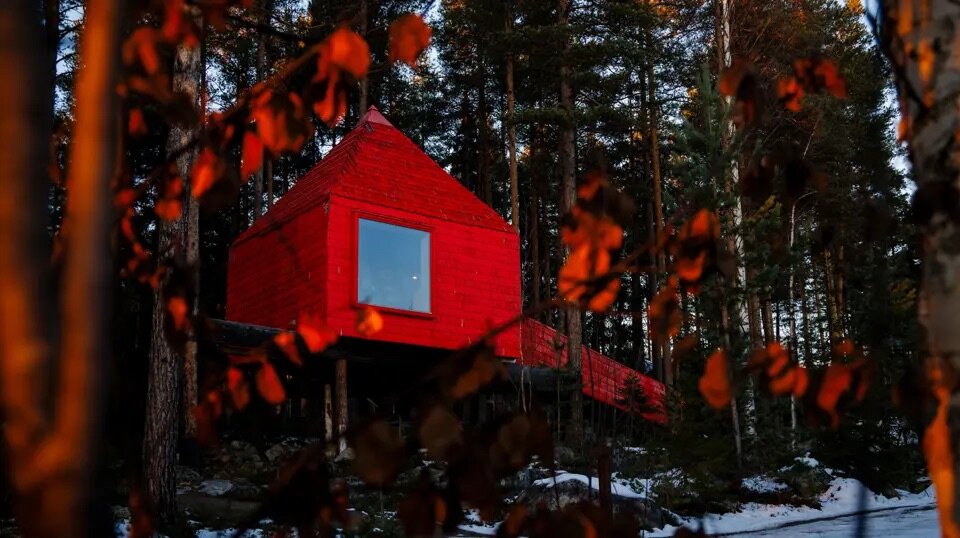
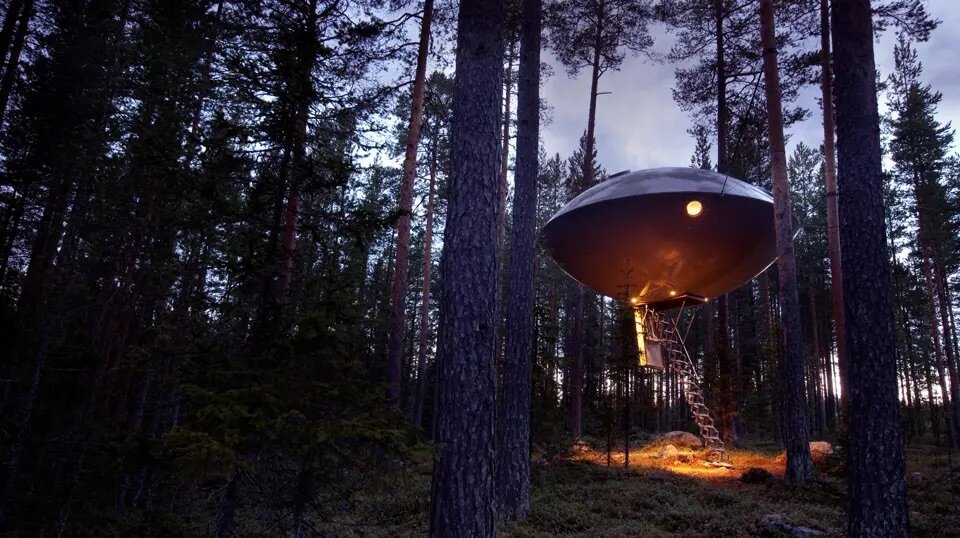
At Treehotel, the architecture provides a sense of independent solitude, offering a quiet sanctuary where one can truly be "strong alone" (ensam är stark). Pictured below: the UFO room.
II. The Cycle of the Torne River: ICEHOTEL in Jukkasjärvi
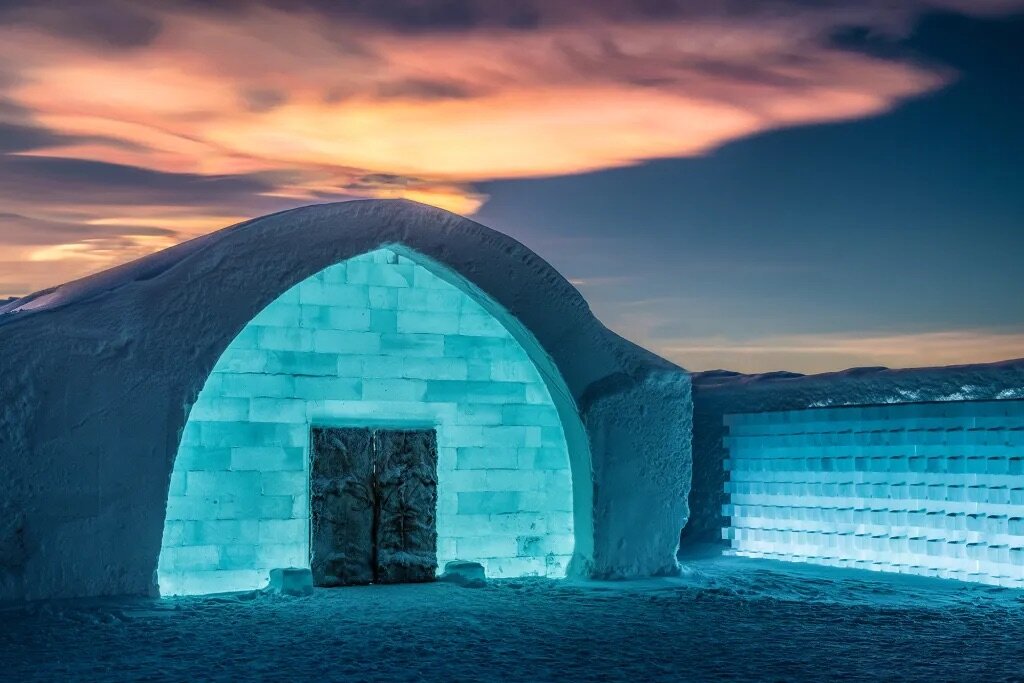
If Treehotel is a forest dream, ICEHOTEL—founded in 1989—is the pinnacle of Arctic art. It was born from a "beautiful accident" when visitors asked to sleep in an ice art gallery called "Arctic Hall" because local cabins were full.
Borrowed from Nature, Returned to Nature
The soul of ICEHOTEL is the Torne River, one of the purest national rivers in Europe.
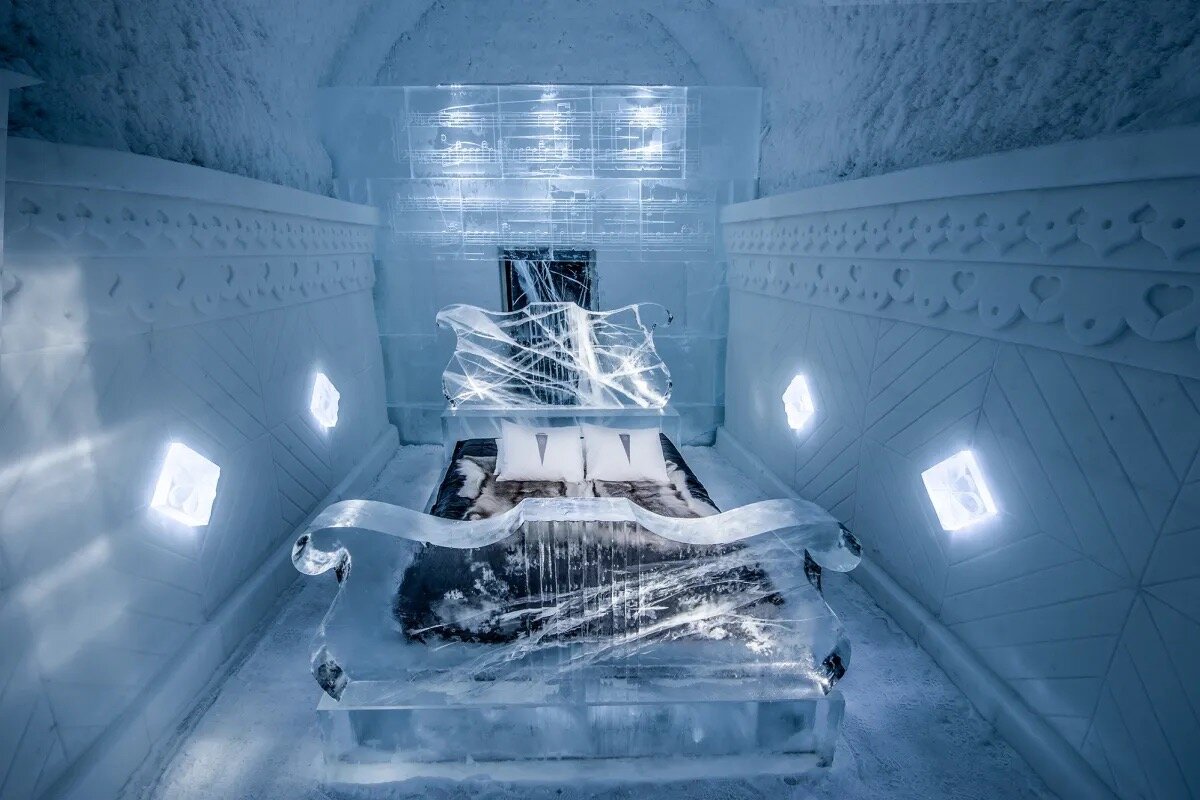
- The Winter Seasonal Exhibition: Every winter, workers harvest approximately 2,500 two-ton blocks of pure ice from the river. Artists from around the globe then carve these into breathtaking Art Suites. When spring arrives, the hotel slowly melts and flows back into the Torne River, embodying the Swedish view that "impermanence is the highest form of beauty."
- ICEHOTEL 365: Opened in 2016, this permanent structure uses solar power from the Midnight Sun to stay frozen year-round, allowing guests to experience the sub-zero aesthetic even in the height of summer.
Shared Art: The Living Museum
ICEHOTEL is a prime example of the democratization of art. During the day (until 6:00 PM), all Art Suites are open to the public as a gallery. It is not just a hotel; it is a dynamic museum that breathes with the rhythm of nature.
Survival Rituals: The Science of Temperature
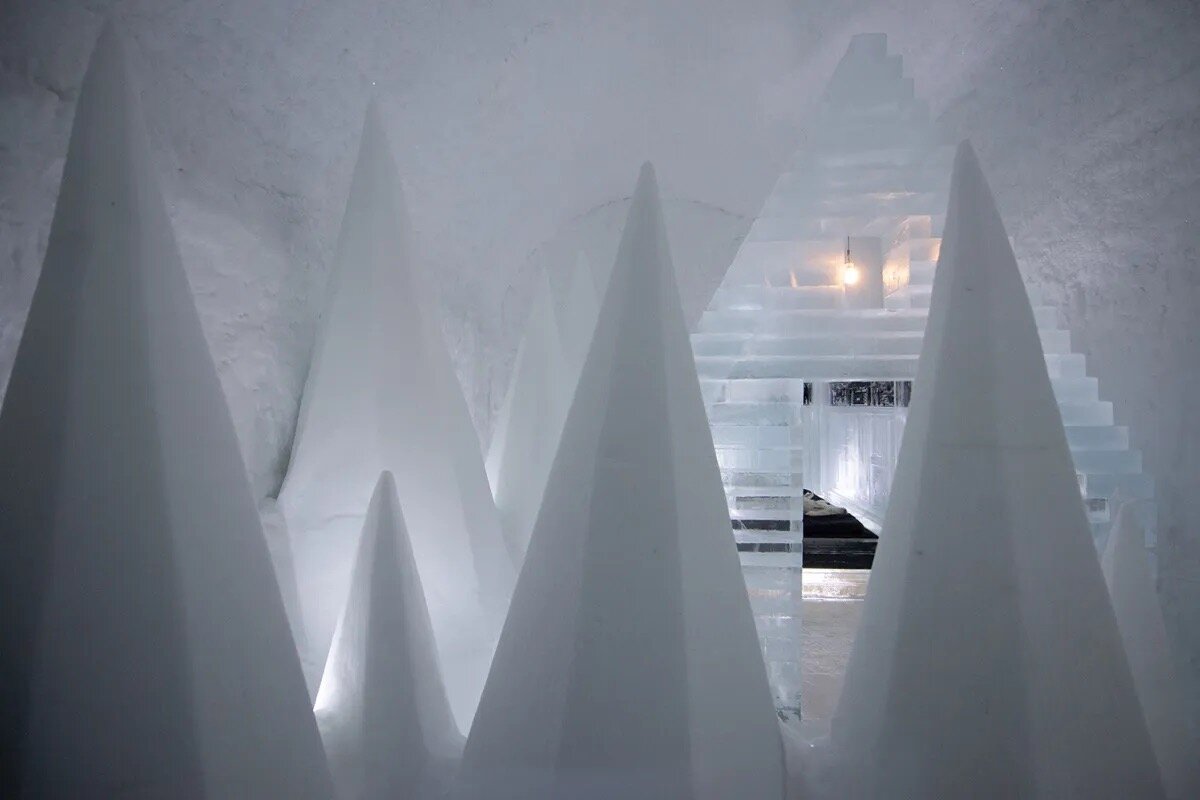
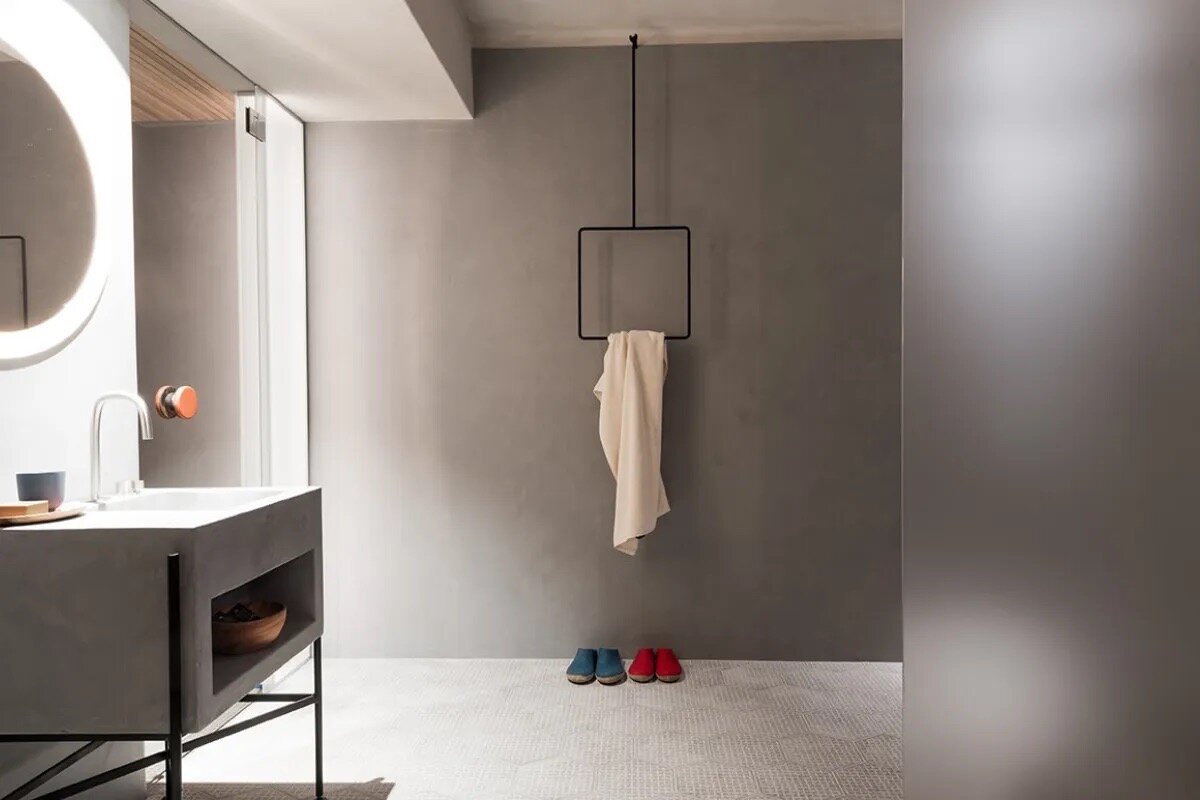
Staying in a "cold room" (kept at -5°C / 20°F) is a ritual in itself. Guests are taught the "Mother Hen Method": to prevent electronics and contact lenses from freezing or losing power, you must tuck them into your professional thermal sleeping bag, using your body heat to keep them functional. Pictured below: the built-in warm room found in the top-tier suite.
Conclusion: Finding Your "Lagom" Stability
This seven-day journey from Stockholm to Kiruna (with packages starting from approximately NT$149,000+) is more than just transportation. Whether you are waking up in a 1st Class cabin on the SJ Night Train, perched in a treehouse, or sleeping amidst ice sculptures, the experience teaches a profound lesson: true quality comes from a reverence for nature and finding that "just right" balance between the space we inhabit and the time we are given.